
Yashoda Hospitals
Malakpet
Dr. Kalyan's Speciality Clinic
Hasthinapuram
Call Us
+91-7207897798
+91-9392172078
Malakpet
Hasthinapuram
+91-7207897798
+91-9392172078
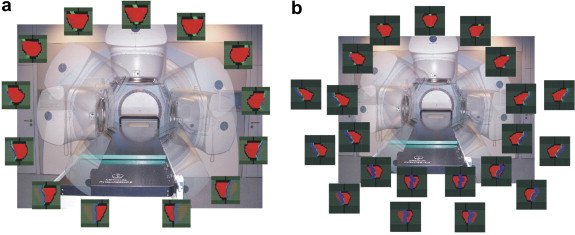
VMAT (Volumetric Modulated Arc Therapy), also known as RapidArc, is an advanced form of radiation therapy designed to deliver highly precise radiation doses to cancerous tumors while minimizing exposure to surrounding healthy tissues. This modern treatment technique uses sophisticated computer-guided technology to continuously shape and adjust the radiation beam as the machine rotates around the patient. By delivering radiation from multiple angles in a single or multiple arcs, VMAT achieves exceptional accuracy and treatment efficiency.
VMAT has become an important advancement in cancer care because it allows oncologists to target tumors with greater precision while reducing treatment times compared to conventional radiation therapy techniques. It is commonly used for the treatment of cancers involving the head and neck, prostate, breast, lung, brain, spine, pelvis, and other complex anatomical regions. Under the expert guidance of Dr. R. Nivalika, VMAT is carefully planned to ensure each patient receives personalized and effective treatment with the highest standards of safety and comfort.
VMAT itself is not used to treat a specific cause but rather addresses cancers that develop due to a variety of underlying factors. Cancer occurs when abnormal cells grow uncontrollably and invade surrounding tissues. Genetic mutations, family history, tobacco use, excessive alcohol consumption, exposure to harmful chemicals, radiation exposure, certain viral infections, and lifestyle factors can contribute to the development of cancer.
When cancer is diagnosed and radiation therapy becomes part of the treatment plan, VMAT may be recommended because of its ability to deliver highly targeted radiation while protecting nearby organs and healthy structures. This makes it particularly valuable for tumors located close to critical tissues where treatment precision is essential.
The symptoms that lead to the diagnosis of cancer vary depending on the type, size, and location of the tumor. Patients may experience persistent pain, unexplained weight loss, fatigue, abnormal bleeding, prolonged cough, difficulty swallowing, changes in bowel or bladder habits, lumps or swelling, or neurological symptoms such as headaches and weakness.
Since many cancers can remain silent during their early stages, some tumors are discovered during routine health screenings or diagnostic imaging studies. Once cancer is identified, radiation oncology specialists evaluate whether advanced treatment techniques such as VMAT can provide the most effective therapeutic outcome.
Before VMAT treatment is planned, a comprehensive diagnostic evaluation is performed to understand the extent and characteristics of the cancer. This process typically includes a detailed medical history, physical examination, imaging studies such as CT scans, MRI scans, PET scans, and biopsy results that confirm the diagnosis.
For radiation treatment planning, a specialized simulation CT scan is performed to accurately map the tumor and surrounding organs. Advanced treatment planning software is then used to create a customized VMAT plan that precisely calculates radiation delivery. This meticulous planning process ensures maximum tumor coverage while minimizing radiation exposure to nearby healthy tissues.
VMAT is often used as a standalone radiation treatment or in combination with surgery, chemotherapy, immunotherapy, hormone therapy, or targeted therapies depending on the cancer type and stage. During treatment, the radiation machine rotates around the patient while continuously adjusting beam intensity, shape, and dose distribution to conform closely to the tumor.
One of the major advantages of VMAT is its ability to deliver highly complex treatment plans in a shorter duration than many traditional radiation therapy techniques. This improves patient comfort and reduces the likelihood of movement during treatment, further enhancing precision. VMAT can be used for both curative and palliative treatment goals and is particularly beneficial when tumors are located near critical organs that require maximum protection.
Following VMAT treatment, patients are monitored regularly to assess treatment response and manage any side effects. Follow-up appointments may include physical examinations, imaging studies, blood tests, and discussions regarding symptom management and recovery. The frequency of follow-up visits depends on the type of cancer and individual treatment plan.
Patients are encouraged to maintain a healthy lifestyle, follow nutritional recommendations, stay physically active as tolerated, and promptly report any new or persistent symptoms. Continuous monitoring helps ensure early detection of any recurrence and supports long-term recovery and well-being.
Although VMAT is designed to minimize radiation exposure to healthy tissues, some side effects may still occur depending on the treatment area, radiation dose, and individual patient factors. Common side effects can include fatigue, skin irritation, localized discomfort, temporary inflammation of nearby tissues, and organ-specific symptoms related to the treated region.
Most side effects are manageable and gradually improve after treatment is completed. Serious complications are less common due to the high precision of VMAT technology. Careful treatment planning and ongoing monitoring by experienced radiation oncologists help reduce risks while maximizing treatment effectiveness.
Patients should consult a radiation oncologist if they have been diagnosed with cancer and wish to explore advanced radiation treatment options. Early evaluation can help determine whether VMAT is suitable for their specific condition and treatment goals. Individuals undergoing radiation therapy should also seek medical attention if they experience severe side effects, worsening symptoms, unexplained pain, difficulty eating or drinking, breathing problems, or any new concerns during or after treatment.
Timely communication with the healthcare team ensures that symptoms are addressed promptly and that patients receive the best possible support throughout their cancer treatment journey. With advanced technologies such as VMAT and a patient-centered approach to care, Dr. R. Nivalika is committed to delivering precise, effective, and compassionate cancer treatment tailored to each individual’s needs.
Getting an accurate diagnosis can be one of the most impactful experiences that you can have.
Copyright © 2026 Dr. R. Nivalika, All rights reserved. Powered by PrigmaSoft Technologies
Getting an accurate diagnosis can be one of the most impactful experiences that you can have.
WhatsApp us