Ovarian cancerTreatment in Malakpet, Hyderabad
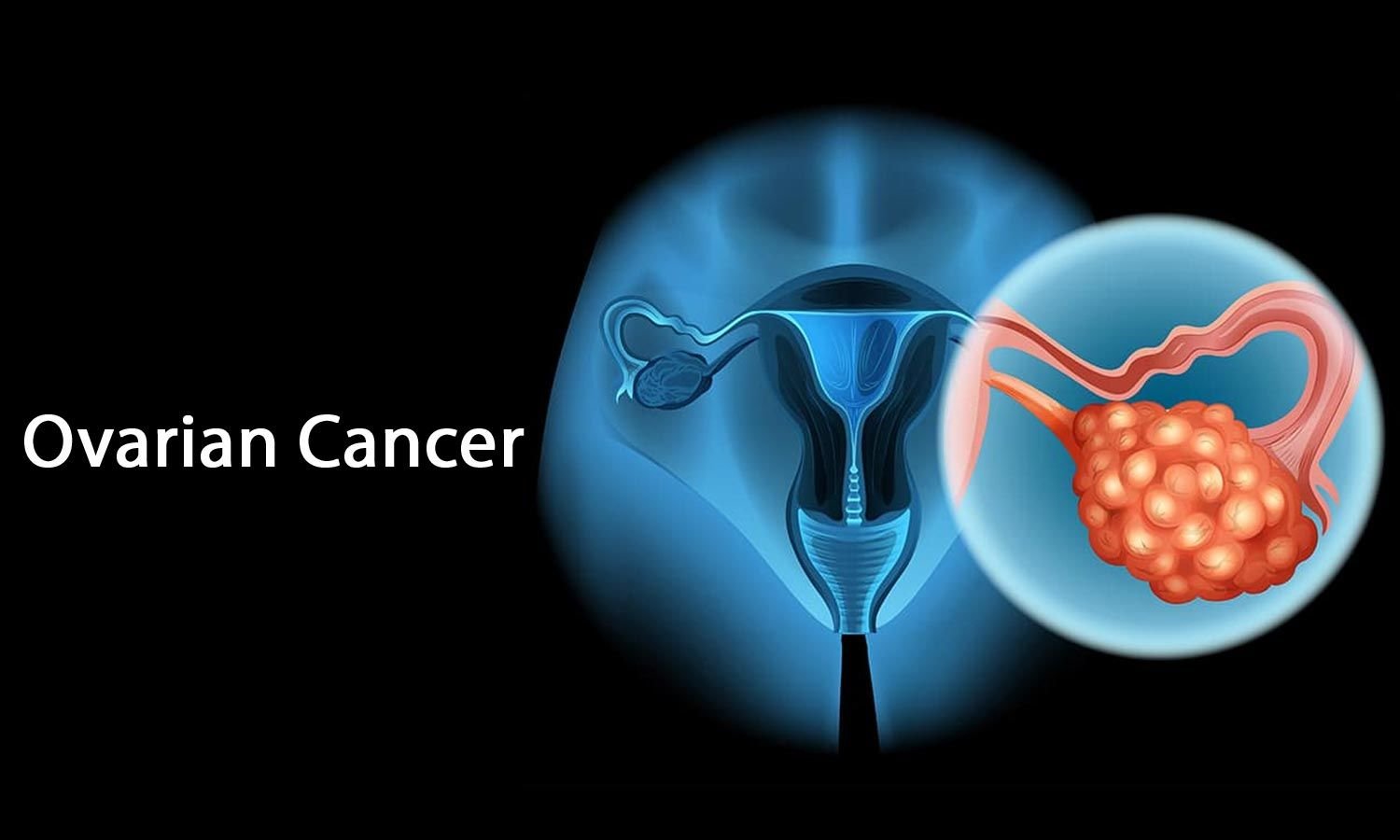
Ovarian cancer is a type of cancer that begins in the ovaries, which are the female reproductive organs responsible for producing eggs and hormones such as estrogen and progesterone. Ovarian cancer occurs when abnormal cells in the ovary grow and multiply uncontrollably, forming a tumor. Because symptoms often appear in later stages, ovarian cancer can be difficult to detect early. Early diagnosis and proper treatment significantly improve survival outcomes.
Radiation therapy is sometimes used as part of ovarian cancer treatment to destroy cancer cells and help control the spread of the disease. Depending on the stage and condition of the patient, radiation therapy may be combined with other treatments such as surgery and chemotherapy to achieve better results.
If you’re seeking Ovarian Cancer Treatment in Malakpet, Hyderabad, radiation therapy can be an important part of a comprehensive cancer care plan designed to effectively target cancer cells and support long-term recovery.
Here’s an overview of radiation therapy for ovarian cancer:
Radiation Therapy Purpose:
Radiation therapy is used to destroy cancer cells and reduce the size of tumors in ovarian cancer patients. It may also help relieve symptoms such as pain or discomfort caused by cancer spreading to nearby tissues. The goal of radiation therapy is to target cancer cells while protecting surrounding healthy organs.
Types of Radiation Therapy:
Two main types of radiation therapy may be used in ovarian cancer treatment. External Beam Radiation Therapy (EBRT) delivers radiation from a machine outside the body to the affected area. In rare cases, Internal Radiation Therapy (Brachytherapy) may be used to deliver radiation directly to a specific area inside the body.
Radiation Planning:
Before treatment begins, doctors perform detailed radiation planning using imaging tests such as CT scans, MRI scans, or PET scans. These tests help radiation oncologists determine the exact location of the tumor and create a precise treatment plan that minimizes damage to nearby healthy tissues.
Radiation Sessions:
Radiation therapy is usually delivered in several sessions over a few weeks. Each session typically lasts only a few minutes and is painless. Patients generally receive treatments five days a week according to their personalized treatment plan.
Side Effects:
Some patients may experience temporary side effects during radiation therapy. Common side effects include fatigue, nausea, skin irritation in the treated area, diarrhea, and abdominal discomfort. These side effects usually improve after treatment is completed.
Long-Term Effects:
In certain cases, long-term effects such as changes in bowel or bladder function may occur. Doctors carefully monitor patients and provide supportive care to manage any long-term complications.
Combination Therapy:
Radiation therapy is sometimes combined with surgery and chemotherapy to improve the overall effectiveness of ovarian cancer treatment. This combined approach helps destroy remaining cancer cells and lowers the risk of recurrence.
Follow-Up Care:
After completing radiation therapy, regular follow-up appointments are important. Doctors monitor recovery, check for signs of cancer recurrence, and manage any side effects. Follow-up care may include physical examinations, imaging tests, and ongoing health monitoring.