
Can Moderate Drinking Affect Radiation Therapy Outcomes? Evidence Explained
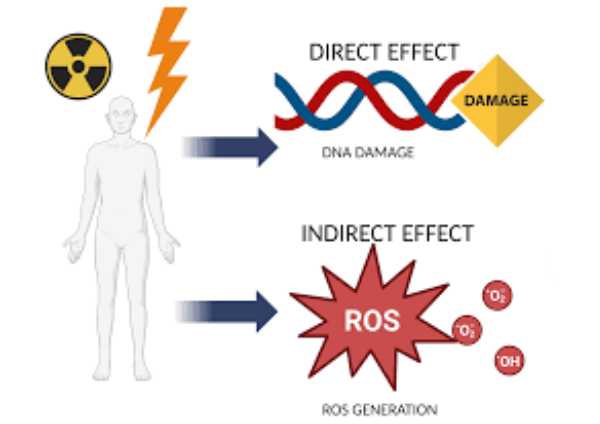
For many patients starting radiation therapy, one of the most common questions is whether moderate alcohol consumption is safe during treatment. As the Best Lady Oncologist in Hyderabad,I often emphasize that even moderate drinking can influence how well radiation works, how the body heals, and how the immune system responds. While occasional alcohol intake is socially common, its impact during radiation therapy is far more significant than most patients realize. Radiation therapy (RT) is a scientifically precise, highly targeted modality used to destroy cancer cells. But its effectiveness depends on the body’s internal environment—oxygen levels, immune strength, tissue recovery capacity, and metabolic health. Alcohol interferes with all these factors. Whether you are consulting the Best Cancer Specialist in Malakpet, Hyderabad or any radiation oncologist worldwide, the medical recommendation remains consistent: alcohol must be approached with caution during cancer treatment. Understanding the Body’s Response During Radiation Therapy Radiation works by causing damage to cancer cell DNA. To repair and regenerate healthy tissue effectively, the body requires strong immune functioning, good hydration, proper nutrition, and stable blood flow. Moderate drinking—commonly defined as 1–2 drinks per day—may appear harmless but can silently affect several cellular processes that influence treatment outcomes. When a patient consults the Best Lady Oncologist in Hyderabad, they are often advised that even small amounts of alcohol can interact with radiation therapy in ways that slow healing, intensify side effects, and reduce the therapy’s precision. Similarly, medical guidance from the Best Cancer Specialist in Malakpet, Hyderabad stresses that cancer care is not just about radiation doses—it’s about supporting the entire body holistically throughout the treatment process. How Alcohol Interferes With Radiation Therapy 1. Alcohol Weakens the Immune System Radiation therapy temporarily strains immune function as it targets rapidly dividing cells. Alcohol further suppresses immunity by: When patients meet the Best Lady Oncologist in Hyderabad, the discussion always includes immune system safety, because alcohol-induced suppression can slow recovery and worsen fatigue. 2. Alcohol Dehydrates the Body Radiation—especially to the abdomen, pelvis, head, and neck—causes dehydration. Alcohol, being a diuretic, worsens this effect. This can contribute to: This is why the Best Cancer Specialist in Malakpet, Hyderabad routinely advises patients to avoid alcohol during therapy. 3. Increased Risk of Mucositis and Mouth Ulcers Patients undergoing radiation to the oral cavity, throat, or esophagus are prone to mucositis. Alcohol irritates mucosal surfaces, making inflammation significantly worse. Even moderate drinking can intensify: For this reason, the Best Lady Oncologist in Hyderabad strongly discourages alcohol intake in head and neck cancer patients. 4. Alcohol Increases Skin Sensitivity Radiation often causes skin soreness, redness, and irritation. Alcohol dilates blood vessels and increases skin photosensitivity, which can worsen radiation dermatitis. Patients who follow instructions from the Best Cancer Specialist in Malakpet, Hyderabad typically notice improved skin healing when alcohol is avoided. Does “Moderate Drinking” Still Count as Risky? Many patients assume that if they limit themselves to a glass of wine or a beer, it won’t matter. However, studies show that even moderate consumption can: Since radiation relies on optimal cell repair, even small alcohol amounts can interfere with treatment goals. The Best Lady Oncologist in Hyderabad regularly explains that “moderation” in normal life is not the same as “moderation” during cancer treatment. Alcohol and Specific Cancer Types During RT 1. Breast Cancer Alcohol increases estrogen levels and oxidative stress. During radiation, this can contribute to heightened breast sensitivity and increase long-term recurrence risks. 2. Head & Neck Cancers For patients in this group, the Best Cancer Specialist in Malakpet, Hyderabad strongly warns against alcohol because: 3. GI Cancers Alcohol irritates the stomach and intestines, leading to more severe nausea, diarrhea, and abdominal pain during therapy. 4. Prostate Cancer While occasional intake may be tolerated, alcohol can worsen urinary symptoms caused by radiation. Long-Term Effects: Why Oncologists Recommend Reducing or Stopping Alcohol Completely Even after radiation therapy ends, the body continues repairing microscopic tissue changes for months. Alcohol can delay or disrupt this process. Research shows: This is why both the Best Lady Oncologist in Hyderabad and the Best Cancer Specialist in Malakpet, Hyderabad consistently advise patients to minimize or avoid alcohol not only during treatment but also for several months after completion. Can Patients Ever Drink During Radiation Therapy? While every case is unique, oncologists generally recommend: Most patients who follow guidance from the Best Lady Oncologist in Hyderabad experience fewer side effects and better treatment tolerance when alcohol is removed from their routine. What Patients Can Do Instead Cancer care is a team effort, and support from the Best Cancer Specialist in Malakpet, Hyderabad ensures patients get holistic guidance—not just medical treatment. Conclusion Moderate drinking may seem harmless, but even small amounts of alcohol can affect radiation therapy outcomes. From worsening inflammation to impairing immune function, alcohol creates conditions that make radiation less effective and more challenging to tolerate. Patients who prioritize their long-term recovery should strongly consider avoiding alcohol throughout radiation therapy and beyond. With the guidance of the Best Lady Oncologist in Hyderabad, patients can make informed lifestyle choices that support superior treatment outcomes. Likewise, consultations with the Best Cancer Specialist in Malakpet, Hyderabad ensure that every patient receives evidence-based, personalized advice that enhances healing, reduces complications, and improves quality of life during their cancer journey.
DR. NIVALIKA RAJAMONI: Championing Cancer Prevention & Wellness Advocacy
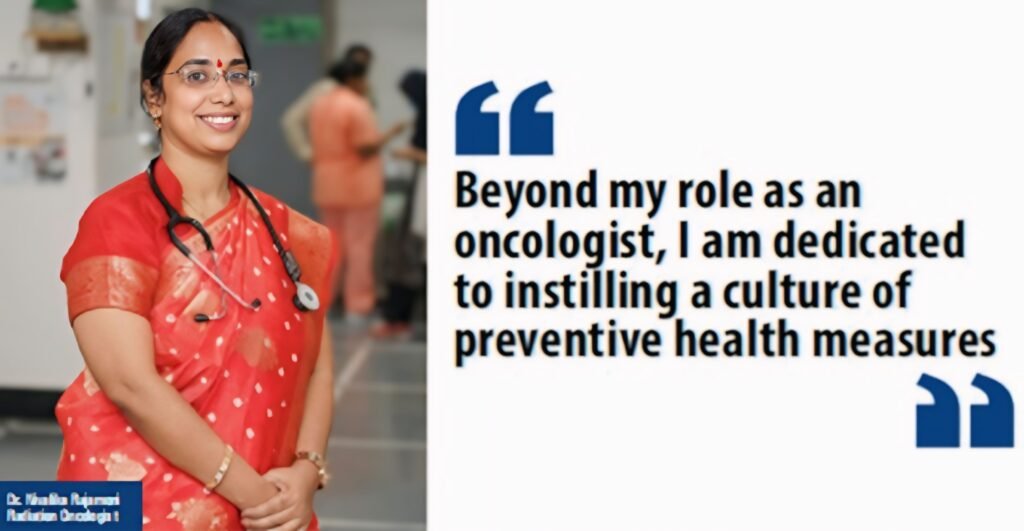
India. Despite facing the challenges of adapting to different environments and languages, she demonstrated resilience and emerged as a front-runner in her academic pursuits. Excelling in her studies, she secured the top position in her school during the tenth grade, marking the beginning of a remarkable journey. Driven by her determination, she continued to achieve academic milestones, ultimately earning a coveted seat at Osmania Medical College. Her expertise in radiation oncology flourished during her tenure at KIMS hospital, a premier institution. Currently serving as a consultant at Yashoda Hospital, Dr. Nivalika reflects on a fulfilling ten-year journey, exemplifying dedication and contentment in her chosen career path. Dr. Nivalika leads the way in embracing cutting-edge oncological advancements in Hyderabad, encompassing SRS, SRT, SBRT, DIBH, Respiratory Gating, and the MR LINAC technology which is the world’s best and India’s first quantum leap technology in cancer care. As a distinguished member of the Association of Radiation Oncology of India and the IMA, her specialization in Radiation Oncology focuses on addressing all types of cancer cases, especially brain tumors and female cancers. Driven by a passion for quality, she invests extensive hours in meticulous contouring and planning for radiation, ensuring optimal outcomes and emphasizing the crucial aspects of Radiation Treatment delivery. “In the world of medicine, my journey through school shaped me into a dedicated and compassionate healer. I prioritize ethical practice, avoiding unnecessary treatments and meetings. I believe in giving a personal touch to my care, treating each patient as an individual rather than just a case. My unique approach involves simple and heartfelt counseling, addressing not only medical concerns but also the emotional and financial challenges, for those dealing with cancer”, adds Dr. Nivalika, Consultant Radiation Oncologist, Yashoda Hospitals. Transformative Trends in Healthcare In the evolving landscape of healthcare, significant changes have been witnessed in disease patterns, societal attitudes and medical advancements. Over the past decade, there has been a noticeable increase in the prevalence of cancer, transforming it into a more common health concern affecting families across the board. This shift has been accompanied by a positive change in mentality, with growing awareness and acceptance of seeking medical treatment for cancer. The healthcare sector has undergone substantial progress, with increased accessibility to specialized services and notable improvements in diagnostic capabilities through advancements in imaging and pathology. The continuous evolution of medical technologies, encompassing new cancer drugs and advanced Radiation therapies, showcases a commitment to providing patients with effective and cutting-edge treatments Beyond my role as an oncologist, I am dedicated to instilling a culture of preventive health measures Evidence-Based Excellence In the realm of oncology, adherence to evidencebased medicine is crucial. Strict guidelines form the foundation of every treatment and each step aligns with established protocols, ensuring a comprehensive approach. “Within my medical team, comprised of dedicated medical and surgical oncologists, we foster a collaborative environment. Regular discussions ensue, evaluating optimal approaches for each case based on our established protocols. This continuous dialogue extends to the forefront of oncological advancements, where we share and absorb the latest treatment modalities. Every incoming patient undergoes thorough collective scrutiny, ensuring a nuanced decision-making process. It’s our commitment to staying abreast of evolving treatments and collaborating seamlessly that defines our ethos in providing the best possible care in the dynamic landscape of oncology”, asserts Dr. Nivalika Lifelong Mission to Prevent Cancer Dr. Nivalika passionately advocates for two pillars of public health: cancer awareness and embracing a healthy lifestyle. In her extensive lectures, she emphasizes the critical importance of recognizing warning signs and urges regular health checkups, especially after the age of 40. Early detection, she asserts, is pivotal for improved cancer treatment outcomes. However, beyond awareness, Dr. Nivalika fervently underscores the pressing need for a healthy lifestyle. “The escalating cancer rates, expected to rise by 25 percent, stem directly from unhealthy lifestyles. Beyond my role as an oncologist, I’m dedicated to instilling a culture of preventive health measures. Prioritizing healthy diets, exercise, and overall wellness, I passionately believe that cultivating awareness and embracing lifestyle changes can substantially diminish the risk of cancer. Through widespread awareness initiatives, I aim to foster healthier living practices in communities. It’s not just about responding to the challenges of cancer but actively working towards a future where a healthier lifestyle becomes the norm, significantly reducing the prevalence of this disease”, adds Dr. Nivalika. In the demanding field of medicine, Dr. Nivalika also emphasizes the indispensable need for self-belief and unwavering consistency among female doctors. Encouraging them to trust their abilities and persistently pursue their goals, she emphasizes on the crucial role these qualities play in achieving professional success. With self-confidence as a guiding force and steadfast consistency in their endeavors, female doctors can overcome challenges and make significant contributions to the medical community.