Yashoda Hospitals
Malakpet
Dr. Kalyan's Speciality Clinic
Hasthinapuram
Call Us
+91-7207897798
+91-9392172078
Malakpet
Hasthinapuram
+91-7207897798
+91-9392172078
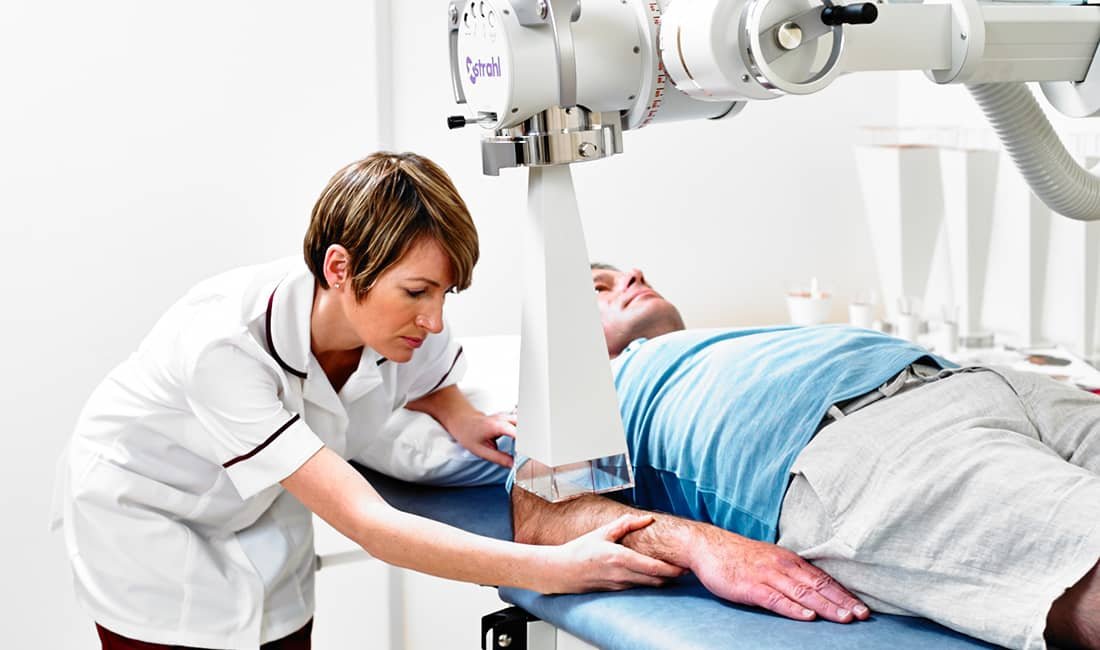
Radiation therapy is widely known as an effective treatment for cancer, but it can also play an important role in managing certain benign (non-cancerous) conditions. In carefully selected cases, radiation treatment can help control abnormal tissue growth, reduce symptoms, prevent recurrence, and improve quality of life. Conditions such as keloids, arteriovenous malformations (AVMs), heterotopic ossification, and some benign tumors may benefit from highly targeted radiation therapy when other treatment methods are insufficient or unsuitable.
Modern radiation techniques allow precise delivery of treatment to the affected area while minimizing exposure to surrounding healthy tissues. The goal is to provide long-term control of the condition, reduce discomfort, and prevent complications while maintaining patient safety and comfort.
Benign conditions treated with radiation therapy can develop for a variety of reasons. Keloids occur when the body’s healing response becomes excessive after skin injury, surgery, burns, acne, or piercings, leading to thick, raised scar tissue that continues to grow beyond the original wound. Arteriovenous malformations are abnormal connections between arteries and veins that are often present from birth and may enlarge over time.
Other benign conditions that may require radiation treatment can arise due to genetic factors, developmental abnormalities, previous injuries, inflammatory processes, or abnormal tissue growth. Although these conditions are not cancerous, they can sometimes cause significant symptoms, cosmetic concerns, or functional limitations that affect daily life.
Symptoms vary depending on the specific condition being treated. Keloids may appear as firm, raised scars that are larger than the original injury and can cause itching, pain, tenderness, or cosmetic concerns. AVMs may produce symptoms such as swelling, pain, headaches, bleeding, seizures, or neurological problems depending on their size and location.
Some benign conditions may remain symptom-free for years and only be discovered during imaging studies performed for other reasons. Others may gradually worsen, causing discomfort, reduced mobility, pressure effects on nearby structures, or recurrent complications that require medical attention.
Accurate diagnosis is essential before considering radiation therapy for any benign condition. The evaluation typically begins with a detailed medical history and physical examination. Imaging studies such as ultrasound, CT scans, MRI scans, or angiography may be recommended to determine the size, location, and extent of the abnormal tissue.
In certain situations, a biopsy or consultation with other specialists may be necessary to confirm the diagnosis and rule out malignant disease. Once the condition has been thoroughly assessed, a personalized treatment plan can be developed based on the patient’s symptoms, overall health, and treatment goals.
Treatment for benign conditions depends on the type and severity of the disorder. Many patients may initially receive conservative therapies such as medications, compression therapy, laser treatment, surgery, or observation. Radiation therapy is often considered when there is a high risk of recurrence, persistent symptoms, or when other treatments have not provided satisfactory results.
For keloids, radiation therapy is commonly administered shortly after surgical removal to reduce the likelihood of scar regrowth. In AVMs and selected benign tumors, advanced radiation techniques such as stereotactic radiosurgery or highly focused radiation treatments can precisely target abnormal tissue while protecting nearby healthy structures. Modern treatment planning ensures optimal effectiveness with minimal side effects, allowing many patients to continue their normal daily activities during treatment.
Following radiation therapy, regular follow-up visits are important to monitor treatment response and ensure proper healing. Patients may receive guidance on wound care, skin care, symptom management, and lifestyle modifications depending on the condition being treated.
Most individuals tolerate treatment well and experience gradual improvement over time. Imaging studies or clinical examinations may be scheduled periodically to assess long-term outcomes and identify any signs of recurrence. Maintaining open communication with the healthcare team helps address concerns promptly and supports successful recovery.
Radiation therapy for benign conditions is generally safe when delivered using modern techniques by experienced specialists. However, as with any medical treatment, certain risks may occur. Mild skin redness, temporary irritation, swelling, fatigue, or localized discomfort can develop in the treated area. These effects are usually temporary and improve with time.
Rarely, long-term changes in skin texture, pigmentation, tissue stiffness, or delayed healing may occur. The treatment team carefully evaluates potential benefits and risks before recommending radiation therapy, ensuring that each patient’s treatment plan is appropriate for their individual condition and circumstances.
Medical evaluation is recommended if you notice persistent or enlarging scars, recurring keloids after surgery, unexplained swelling, abnormal bleeding, pain, neurological symptoms, or any growth that affects appearance or function. Early assessment allows timely diagnosis and helps determine whether radiation therapy or other treatment options may be beneficial.
If you have been diagnosed with a benign condition and continue to experience symptoms despite previous treatment, consulting a radiation oncologist can help you understand available options. A personalized evaluation can determine the most effective approach to managing your condition while preserving comfort, function, and long-term well-being.
Getting an accurate diagnosis can be one of the most impactful experiences that you can have.
Copyright © 2026 Dr. R. Nivalika, All rights reserved. Powered by PrigmaSoft Technologies
Getting an accurate diagnosis can be one of the most impactful experiences that you can have.
WhatsApp us