
Yashoda Hospitals
Malakpet
Dr. Kalyan's Speciality Clinic
Hasthinapuram
Call Us
+91-7207897798
+91-9392172078
Malakpet
Hasthinapuram
+91-7207897798
+91-9392172078
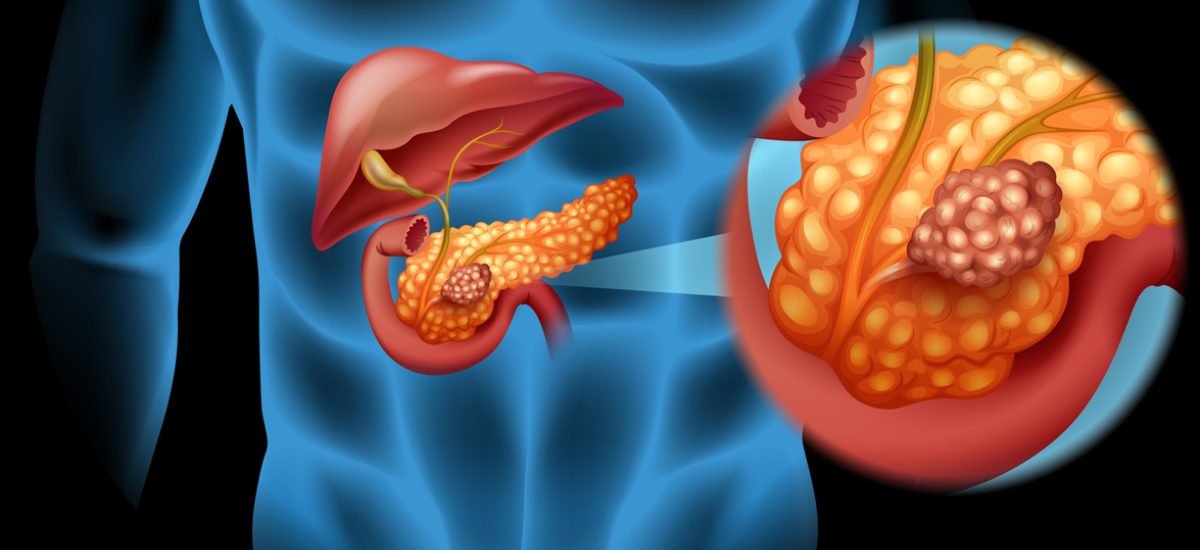
Pancreatic cancer is a serious disease that begins in the tissues of the pancreas, an organ located behind the stomach that plays an important role in digestion and blood sugar regulation. The condition often develops silently in its early stages, making it difficult to detect before it has progressed. While pancreatic cancer can be challenging to treat, advances in diagnostic methods, surgical techniques, chemotherapy, radiation therapy, and targeted treatments have improved outcomes for many patients. Early diagnosis and timely intervention remain critical in achieving the best possible results.
At Dr. R. Nivalika’s practice, every patient receives individualized care focused on accurate diagnosis, evidence-based treatment, symptom management, and emotional support throughout the cancer journey.
The exact cause of pancreatic cancer is not always known, but the disease develops when abnormal cells in the pancreas undergo genetic changes that cause them to grow uncontrollably. Several factors may increase the risk of developing pancreatic cancer, including advancing age, tobacco use, obesity, chronic pancreatitis, diabetes, and a family history of pancreatic or related cancers. Certain inherited genetic syndromes can also increase susceptibility. Although having one or more risk factors does not guarantee the development of pancreatic cancer, understanding these factors can help identify individuals who may benefit from closer medical monitoring.
Pancreatic cancer often does not produce noticeable symptoms during its early stages. As the disease progresses, patients may experience abdominal pain that radiates to the back, unexplained weight loss, loss of appetite, fatigue, nausea, and digestive difficulties. Jaundice, which causes yellowing of the skin and eyes, is one of the more recognizable signs and may occur when the tumor blocks the bile duct. Some individuals may also develop new-onset diabetes or experience worsening control of existing diabetes. Because these symptoms can be associated with several other conditions, medical evaluation is essential for accurate diagnosis.
Diagnosing pancreatic cancer typically involves a combination of clinical evaluation, imaging studies, laboratory testing, and tissue analysis. The diagnostic process often begins with a detailed review of symptoms, medical history, and physical examination. Advanced imaging techniques such as CT scans, MRI scans, PET scans, and endoscopic ultrasound help visualize the pancreas and determine the extent of disease. Blood tests, including tumor marker assessments, may provide additional information. In many cases, a biopsy is performed to confirm the diagnosis and guide treatment planning. Accurate staging is a critical step in determining the most appropriate treatment approach.
Treatment for pancreatic cancer depends on the stage of the disease, the location and size of the tumor, the patient’s overall health, and individual treatment goals. Surgery is often the preferred option for cancers that are detected at an early stage and can be safely removed. Procedures such as the Whipple procedure, distal pancreatectomy, or total pancreatectomy may be considered based on tumor location.
Chemotherapy is commonly used before surgery to shrink tumors, after surgery to reduce the risk of recurrence, or as a primary treatment for advanced disease. Radiation therapy may be recommended in selected cases to target cancer cells and help control tumor growth. Modern treatment strategies may also include targeted therapy and immunotherapy for patients whose tumors possess specific genetic characteristics. A multidisciplinary treatment plan ensures that each patient receives the most effective and personalized care available.
Recovery and follow-up care are important components of pancreatic cancer management. After treatment, patients require regular monitoring to assess recovery, manage side effects, and detect any signs of recurrence. Nutritional support is often essential because pancreatic cancer and its treatments can affect digestion and weight maintenance. Some patients may need pancreatic enzyme replacement therapy to improve digestion and nutrient absorption. Ongoing medical evaluations, imaging studies, and laboratory tests help ensure long-term health and well-being. Emotional support, rehabilitation services, and lifestyle modifications can further enhance quality of life during recovery.
Pancreatic cancer and its treatment can be associated with several complications. These may include digestive problems, malnutrition, significant weight loss, diabetes, bile duct obstruction, pain, and an increased risk of blood clots. Surgical procedures may carry risks such as infection, bleeding, or delayed recovery. Chemotherapy and radiation therapy can cause temporary side effects, including fatigue, nausea, appetite changes, and reduced immunity. Early recognition and proactive management of these complications are important in maintaining patient comfort and improving treatment outcomes.
It is important to seek medical attention if you experience persistent abdominal pain, unexplained weight loss, jaundice, loss of appetite, ongoing digestive issues, or sudden changes in blood sugar levels. Individuals with a strong family history of pancreatic cancer or inherited cancer syndromes should discuss their risk with a healthcare professional and consider appropriate screening recommendations. Early evaluation of concerning symptoms can lead to timely diagnosis and access to effective treatment options.
Dr. R. Nivalika is committed to providing compassionate, comprehensive, and personalized pancreatic cancer care. Through advanced diagnostic expertise, modern treatment strategies, and patient-centered support, the goal is to help patients and their families navigate every stage of treatment with confidence and hope.
Getting an accurate diagnosis can be one of the most impactful experiences that you can have.
Copyright © 2026 Dr. R. Nivalika, All rights reserved. Powered by PrigmaSoft Technologies
Getting an accurate diagnosis can be one of the most impactful experiences that you can have.
WhatsApp us