
Yashoda Hospitals
Malakpet
Dr. Kalyan's Speciality Clinic
Hasthinapuram
Call Us
+91-7207897798
+91-9392172078
Malakpet
Hasthinapuram
+91-7207897798
+91-9392172078
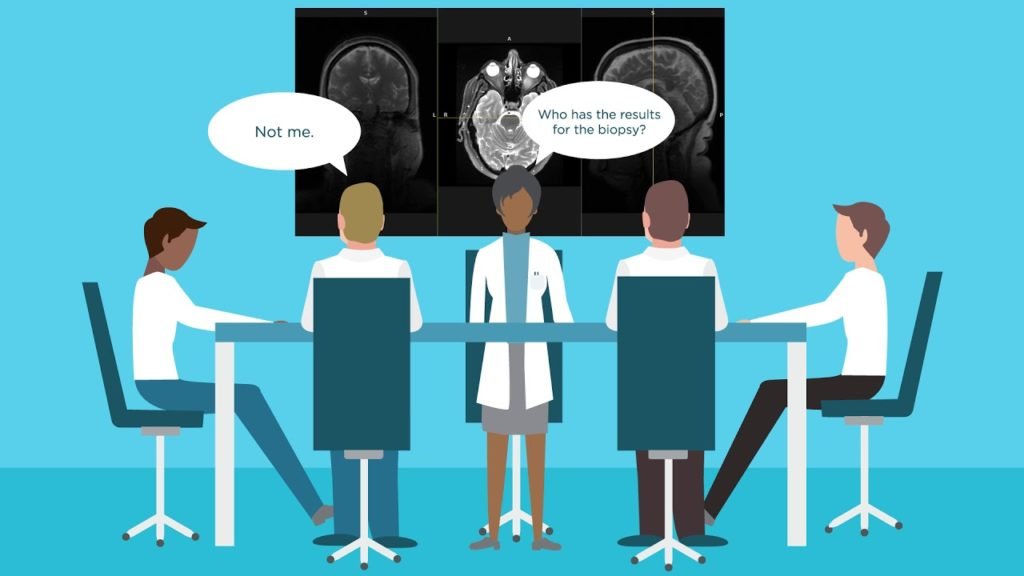
A Multidisciplinary Tumor Board Review is a collaborative approach to cancer care in which a team of medical specialists comes together to evaluate a patient’s diagnosis, treatment options, and overall care plan. Rather than relying on the opinion of a single physician, this process involves experts from multiple disciplines, including medical oncology, radiation oncology, surgical oncology, pathology, radiology, and supportive care services. The goal is to ensure that every aspect of a patient’s condition is carefully reviewed and that treatment decisions are based on collective expertise and the latest evidence-based guidelines.
At Dr. R. Nivalika’s practice, multidisciplinary tumor board reviews play an important role in providing personalized cancer care. This comprehensive evaluation helps identify the most appropriate treatment strategy while considering the patient’s overall health, cancer stage, personal preferences, and quality-of-life goals. By bringing together different perspectives, patients receive well-rounded recommendations designed to achieve the best possible outcomes.
A multidisciplinary tumor board review is not a treatment for a specific disease but rather a specialized process used in cancer management. It is commonly recommended when a patient has a newly diagnosed cancer, a complex or rare tumor, recurrent disease, advanced-stage cancer, or when multiple treatment options need to be considered. Cases that require coordination between surgery, chemotherapy, radiation therapy, targeted therapy, immunotherapy, or palliative care often benefit significantly from this collaborative review.
Tumor board discussions are also valuable when there are uncertainties regarding diagnosis, imaging findings, pathology reports, or treatment sequencing. The process ensures that important clinical details are thoroughly assessed before major treatment decisions are made.
The need for a multidisciplinary tumor board review is usually determined by the diagnosis and complexity of the cancer rather than specific symptoms. However, patients may be referred for review if they are experiencing symptoms related to cancer, such as persistent pain, unexplained weight loss, abnormal bleeding, difficulty swallowing, chronic cough, fatigue, changes in bowel or bladder habits, or the discovery of a suspicious mass.
In many cases, patients are referred shortly after diagnosis, even before symptoms become severe. Early multidisciplinary evaluation helps ensure that treatment planning begins promptly and effectively.
Before a case is presented to the tumor board, a detailed review of the patient’s medical records is performed. This typically includes pathology reports, biopsy findings, imaging studies such as CT scans, MRI scans, PET scans, laboratory investigations, genetic testing results when applicable, and information about the patient’s medical history and overall health status.
During the review, specialists carefully analyze all available information to confirm the diagnosis, determine the stage of cancer, evaluate treatment feasibility, and identify any factors that may influence outcomes. This comprehensive assessment helps reduce uncertainty and supports accurate clinical decision-making.
One of the primary benefits of a multidisciplinary tumor board review is the development of a personalized treatment plan. Depending on the type and stage of cancer, recommendations may include surgery, radiation therapy, chemotherapy, targeted therapy, immunotherapy, hormone therapy, or a combination of these approaches. The team also evaluates the timing and sequencing of treatments to maximize effectiveness while minimizing potential side effects.
For some patients, participation in clinical trials or advanced treatment protocols may be considered. Supportive care measures, nutritional guidance, rehabilitation services, pain management, and psychological support are also integrated into the treatment strategy whenever appropriate. The focus is not only on treating the disease but also on supporting the patient’s overall well-being throughout the cancer journey.
Following completion of cancer treatment, ongoing monitoring and supportive care remain essential. The multidisciplinary team may recommend regular follow-up visits, imaging studies, blood tests, and survivorship care plans to monitor recovery and detect any signs of recurrence at an early stage.
Patients may also receive guidance regarding nutrition, physical activity, symptom management, emotional wellness, and long-term health maintenance. Coordinated follow-up care helps address treatment-related side effects, improves quality of life, and supports a smoother transition into survivorship.
A multidisciplinary tumor board review itself does not pose direct medical risks because it is a clinical evaluation and decision-making process. However, it may identify treatment-related risks, potential complications, or alternative management strategies that require careful consideration. By involving multiple specialists, the likelihood of overlooking important clinical information is reduced, helping to improve treatment accuracy and patient safety.
In complex cancer cases, differing opinions may occasionally arise among specialists. These discussions are valuable because they encourage a thorough evaluation of all available options before a final recommendation is made.
Patients should consult a cancer specialist if they experience persistent or unexplained symptoms, receive a new cancer diagnosis, have concerns about a current treatment plan, or are seeking a second opinion regarding their condition. A multidisciplinary tumor board review can be particularly beneficial for individuals with complex, advanced, recurrent, or rare cancers where treatment decisions require input from multiple experts.
Seeking timely medical attention allows for early diagnosis, comprehensive evaluation, and access to personalized treatment recommendations. Under the guidance of Dr. R. Nivalika and a dedicated multidisciplinary team, patients can feel confident that every aspect of their cancer care is being carefully reviewed to provide the most effective and compassionate treatment approach.
Getting an accurate diagnosis can be one of the most impactful experiences that you can have.
Copyright © 2026 Dr. R. Nivalika, All rights reserved. Powered by PrigmaSoft Technologies
Getting an accurate diagnosis can be one of the most impactful experiences that you can have.
WhatsApp us