
Yashoda Hospitals
Malakpet
Dr. Kalyan's Speciality Clinic
Hasthinapuram
Call Us
+91-7207897798
+91-9392172078
Malakpet
Hasthinapuram
+91-7207897798
+91-9392172078
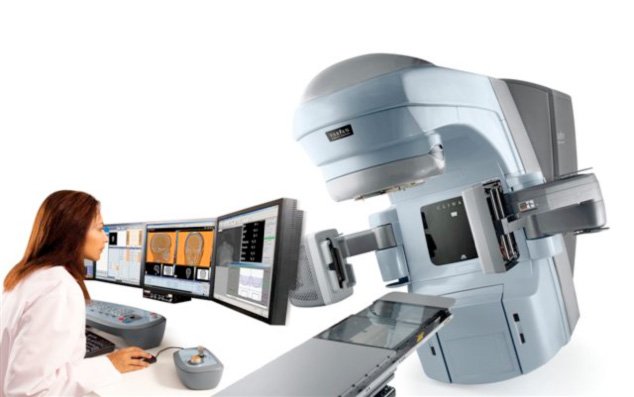
Image Guided Radiation Therapy (IGRT) is an advanced form of radiation treatment that uses frequent imaging during each treatment session to accurately target cancer cells. Unlike conventional radiation therapy, IGRT allows oncologists to visualize the tumor immediately before and sometimes during treatment, ensuring that radiation is delivered with exceptional precision. This technology helps account for natural movements of internal organs, breathing-related changes, and slight variations in patient positioning, making treatment safer and more effective.
IGRT is widely used for various cancers, including prostate cancer, lung cancer, head and neck cancers, gastrointestinal cancers, and certain gynecological malignancies. By improving treatment accuracy, IGRT helps maximize the radiation dose to the tumor while minimizing exposure to surrounding healthy tissues and critical organs.
IGRT itself is not a treatment for a specific cause but is a technique used to manage cancers that develop due to abnormal growth and uncontrolled division of cells. Cancer can arise from multiple factors, including genetic predisposition, tobacco use, excessive alcohol consumption, environmental exposures, chronic infections, unhealthy lifestyle habits, hormonal influences, and increasing age. Regardless of the underlying cause, precise radiation delivery becomes essential when treating tumors located near sensitive structures, making IGRT a valuable treatment approach.
The symptoms that may lead to the need for IGRT depend on the type and location of cancer. Patients may experience unexplained weight loss, persistent fatigue, prolonged cough, difficulty swallowing, abnormal bleeding, changes in bowel or bladder habits, persistent pain, lumps or swelling, hoarseness of voice, or other cancer-related symptoms. Since many cancers can develop silently during their early stages, regular medical evaluation and timely screening play a crucial role in early diagnosis and successful treatment.
Before recommending IGRT, a comprehensive evaluation is performed to determine the type, stage, and exact location of the cancer. Diagnostic investigations may include physical examination, blood tests, biopsy, CT scans, MRI scans, PET-CT imaging, and other specialized tests based on the suspected malignancy. During treatment planning, detailed imaging studies are used to create a highly accurate map of the tumor and surrounding organs. This information enables the oncology team to design a personalized radiation treatment plan that delivers optimal results while protecting healthy tissues.
IGRT is often integrated into a broader cancer treatment strategy that may include surgery, chemotherapy, immunotherapy, targeted therapy, hormone therapy, or a combination of these approaches. During each radiation session, advanced imaging systems such as cone-beam CT scans, X-rays, or other image-guidance technologies verify the tumor’s position before radiation delivery. If any movement or positional variation is detected, adjustments can be made immediately to ensure precise targeting.
This level of accuracy allows higher confidence in treatment delivery and is particularly beneficial for tumors that may shift due to breathing, digestion, or normal body movements. IGRT can also reduce radiation exposure to healthy organs, helping improve treatment outcomes and patient comfort throughout the course of therapy.
After completing IGRT, regular follow-up appointments are essential to monitor treatment response and overall recovery. Patients may undergo periodic imaging studies, blood tests, and clinical evaluations to assess tumor control and detect any potential recurrence. Maintaining a healthy diet, staying physically active as advised, managing stress, and following all medical recommendations can support recovery and long-term well-being.
Some patients may experience temporary side effects such as fatigue, skin irritation, or localized discomfort depending on the treatment area. These effects are usually manageable and often improve gradually after therapy is completed. Ongoing communication with the oncology team helps ensure that any concerns are addressed promptly.
IGRT is considered a highly precise and safe radiation therapy technique, but like all cancer treatments, it may have certain side effects and risks. The nature and severity of these effects depend on the cancer type, treatment area, radiation dose, and individual patient factors. Potential complications may include fatigue, skin reactions, irritation of nearby organs, swallowing difficulties, bowel or bladder changes, or temporary inflammation in the treated region.
Because IGRT uses advanced imaging guidance to accurately target tumors, the risk of unnecessary radiation exposure to surrounding healthy tissues is significantly reduced compared to less precise techniques. Careful treatment planning and close monitoring help minimize potential complications and improve patient safety.
Patients should consult an oncologist if they experience persistent symptoms that could indicate cancer, such as unexplained weight loss, prolonged pain, unusual bleeding, chronic cough, difficulty swallowing, persistent fatigue, or the appearance of new lumps or swellings. Individuals who have already been diagnosed with cancer should seek medical advice if they notice worsening symptoms, treatment-related side effects, or concerns during recovery.
Early consultation allows timely diagnosis and access to advanced treatment options such as IGRT, which can play a vital role in improving treatment precision, preserving healthy tissue, and enhancing overall outcomes. Under the expert guidance of Dr. R. Nivalika, patients receive personalized, compassionate, and evidence-based cancer care tailored to their individual needs.
Getting an accurate diagnosis can be one of the most impactful experiences that you can have.
Copyright © 2026 Dr. R. Nivalika, All rights reserved. Powered by PrigmaSoft Technologies
Getting an accurate diagnosis can be one of the most impactful experiences that you can have.
WhatsApp us