
Yashoda Hospitals
Malakpet
Dr. Kalyan's Speciality Clinic
Hasthinapuram
Call Us
+91-7207897798
+91-9392172078
Malakpet
Hasthinapuram
+91-7207897798
+91-9392172078
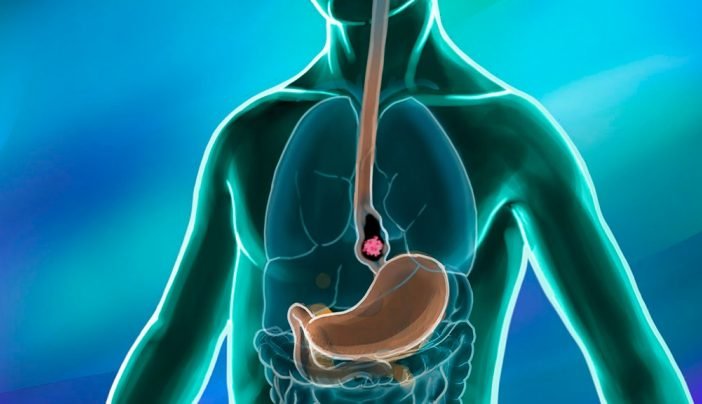
Esophageal cancer is a type of cancer that develops in the esophagus, the muscular tube that carries food and liquids from the throat to the stomach. This cancer usually begins in the inner lining of the esophagus and can gradually grow deeper into the surrounding tissues. Esophageal cancer is often diagnosed in adults and may progress silently during its early stages, making awareness of symptoms and timely evaluation extremely important. With advances in cancer diagnosis and treatment, many patients can benefit from personalized treatment plans that aim to control the disease, relieve symptoms, and improve quality of life.
The exact cause of esophageal cancer is not always known, but several factors can increase the risk of developing the disease. Long-term acid reflux, also known as gastroesophageal reflux disease (GERD), can damage the lining of the esophagus and contribute to cancer development. A condition called Barrett’s esophagus, which results from chronic acid reflux, is considered a significant risk factor. Tobacco use, excessive alcohol consumption, obesity, poor dietary habits, and long-standing irritation of the esophagus may also increase the likelihood of developing esophageal cancer. In some cases, genetic factors and age-related changes can play a role.
Symptoms of esophageal cancer often develop gradually and may become more noticeable as the tumor grows. Difficulty swallowing, particularly with solid foods, is one of the most common symptoms. Patients may feel as though food is getting stuck in the chest or throat. Other symptoms can include unexplained weight loss, persistent chest discomfort, pain while swallowing, chronic indigestion, heartburn, hoarseness of voice, coughing, or regurgitation of food. Because these symptoms can resemble those of less serious conditions, medical evaluation is important if they persist or worsen over time.
The diagnosis of esophageal cancer begins with a detailed medical history and physical examination. If cancer is suspected, an upper gastrointestinal endoscopy is commonly performed to visualize the inside of the esophagus and obtain tissue samples for biopsy. The biopsy helps confirm the presence and type of cancer. Additional imaging studies such as CT scans, PET scans, endoscopic ultrasound, and MRI may be recommended to determine the size of the tumor, evaluate lymph node involvement, and assess whether the cancer has spread to other parts of the body. Accurate staging is essential for developing the most effective treatment strategy.
Treatment for esophageal cancer depends on the type of cancer, its stage, location, overall health of the patient, and individual treatment goals. Surgery is often considered for early-stage or localized cancers and may involve removing part or all of the affected esophagus. Radiation therapy uses high-energy beams to destroy cancer cells and may be used before surgery, after surgery, or as a primary treatment in certain situations. Chemotherapy is commonly combined with radiation therapy or surgery to improve treatment outcomes. Targeted therapy and immunotherapy have also become valuable options for selected patients, particularly in advanced or metastatic disease. A multidisciplinary approach involving surgical, medical, and radiation oncology specialists helps ensure comprehensive and personalized cancer care.
Recovery and follow-up care are important components of esophageal cancer treatment. Patients may require nutritional support, dietary modifications, and rehabilitation to help adjust to changes in swallowing and digestion. Regular follow-up visits allow doctors to monitor recovery, manage side effects, and detect any signs of recurrence at an early stage. Emotional well-being, physical activity, and supportive care services can also play a significant role in improving quality of life after treatment. Ongoing communication with the healthcare team helps patients navigate recovery with confidence and support.
Like many cancers, esophageal cancer can lead to complications if left untreated. Progressive narrowing of the esophagus may cause severe swallowing difficulties, malnutrition, dehydration, and weight loss. Advanced disease can spread to nearby organs or distant parts of the body, making treatment more complex. Treatment-related complications may include fatigue, nausea, temporary swallowing difficulties, infections, changes in appetite, or digestive issues. However, careful monitoring and supportive care can help manage these effects effectively and improve patient comfort throughout treatment.
It is important to seek medical attention if you experience persistent difficulty swallowing, unexplained weight loss, ongoing heartburn, chest discomfort, or any symptoms that interfere with eating and drinking. Individuals with chronic acid reflux or Barrett’s esophagus should undergo regular medical evaluation as advised by their healthcare provider. Early diagnosis significantly improves treatment options and outcomes, making timely consultation essential. If you notice persistent symptoms or have concerns about your digestive health, consulting a cancer specialist can help ensure appropriate evaluation and care.
Getting an accurate diagnosis can be one of the most impactful experiences that you can have.
Copyright © 2026 Dr. R. Nivalika, All rights reserved. Powered by PrigmaSoft Technologies
Getting an accurate diagnosis can be one of the most impactful experiences that you can have.
WhatsApp us