
Yashoda Hospitals
Malakpet
Dr. Kalyan's Speciality Clinic
Hasthinapuram
Call Us
+91-7207897798
+91-9392172078
Malakpet
Hasthinapuram
+91-7207897798
+91-9392172078
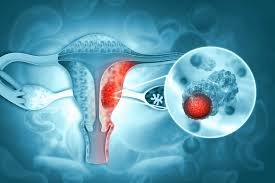
Cervical cancer is a type of cancer that develops in the cells of the cervix, the lower part of the uterus that connects to the vagina. It is one of the most preventable and treatable cancers when detected early through regular screening and timely medical care. Advances in diagnosis, vaccination, and treatment have significantly improved outcomes for women diagnosed with cervical cancer. At our center, we are committed to providing compassionate, evidence-based care tailored to each patient’s individual needs, ensuring the best possible treatment outcomes while preserving quality of life.
The primary cause of cervical cancer is persistent infection with certain high-risk types of the Human Papillomavirus (HPV), a common virus transmitted through sexual contact. While most HPV infections resolve naturally, some may persist and cause abnormal changes in cervical cells over time, eventually leading to cancer. Several factors can increase the risk of developing cervical cancer, including smoking, a weakened immune system, long-term use of oral contraceptives, multiple pregnancies, and a lack of regular cervical screening. Family history and certain lifestyle factors may also contribute to increased risk.
In its early stages, cervical cancer may not cause noticeable symptoms, which is why routine screening is essential. As the disease progresses, women may experience abnormal vaginal bleeding between periods, after intercourse, or after menopause. Other symptoms may include unusual vaginal discharge, pelvic pain, pain during sexual intercourse, or persistent lower back discomfort. In more advanced cases, symptoms such as leg swelling, difficulty urinating, or unexplained weight loss may occur. Any persistent or unusual gynecological symptoms should be evaluated promptly by a healthcare professional.
The diagnosis of cervical cancer typically begins with a thorough medical history and pelvic examination. Screening tests such as the Pap smear and HPV testing help identify abnormal cervical cells before they become cancerous. If abnormalities are detected, further evaluation may include colposcopy, during which the cervix is examined under magnification, and a biopsy to confirm the presence of cancer cells. Imaging studies such as ultrasound, CT scans, MRI, or PET scans may be recommended to determine the extent of the disease and assist in treatment planning. Accurate diagnosis and staging are essential for selecting the most effective treatment approach.
Treatment for cervical cancer depends on several factors, including the stage of the disease, tumor size, overall health, and the patient’s future fertility considerations. Early-stage cervical cancer may be treated successfully with surgery, which may involve removal of the abnormal tissue, cervix, uterus, or surrounding lymph nodes depending on the extent of the disease. Radiation therapy is commonly used either alone or in combination with chemotherapy to destroy cancer cells and reduce the risk of recurrence. Advanced or recurrent cervical cancer may require a combination of chemotherapy, targeted therapy, immunotherapy, and radiation therapy. Each treatment plan is carefully personalized to ensure optimal cancer control while minimizing side effects and preserving the patient’s well-being.
Recovery and follow-up care are important components of cervical cancer management. Regular follow-up visits allow doctors to monitor for recurrence, manage treatment-related side effects, and support long-term health. Patients may undergo periodic physical examinations, imaging studies, and laboratory tests as part of their surveillance plan. Emotional support, nutritional guidance, and rehabilitation services may also play a valuable role in recovery. Maintaining a healthy lifestyle, attending scheduled appointments, and promptly reporting new symptoms can contribute significantly to long-term outcomes and overall quality of life.
Like any cancer and its treatments, cervical cancer may be associated with certain complications. Untreated disease can spread to nearby tissues and distant organs, making treatment more complex. Potential treatment-related complications may include fatigue, bowel or bladder changes, fertility concerns, hormonal changes, sexual health issues, and lymphedema. The likelihood of complications varies depending on the stage of the disease and the type of treatment received. Close monitoring and supportive care help manage these effects effectively and improve patient comfort throughout the treatment journey.
Women should consult a doctor if they experience abnormal vaginal bleeding, persistent pelvic pain, unusual vaginal discharge, pain during intercourse, or any other unexplained gynecological symptoms. Regular cervical cancer screening is recommended even in the absence of symptoms, as early detection significantly improves treatment success rates. Individuals with a history of HPV infection, abnormal Pap smear results, or other risk factors should maintain routine gynecological check-ups. Seeking timely medical attention can lead to earlier diagnosis, more treatment options, and better overall outcomes.
Getting an accurate diagnosis can be one of the most impactful experiences that you can have.
Copyright © 2026 Dr. R. Nivalika, All rights reserved. Powered by PrigmaSoft Technologies
Getting an accurate diagnosis can be one of the most impactful experiences that you can have.
WhatsApp us