
Can Moderate Drinking Affect Radiation Therapy Outcomes? Evidence Explained
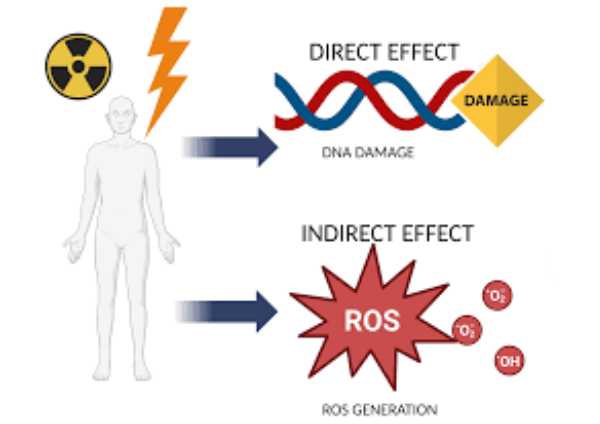
For many patients starting radiation therapy, one of the most common questions is whether moderate alcohol consumption is safe during treatment. As the Best Lady Oncologist in Hyderabad,I often emphasize that even moderate drinking can influence how well radiation works, how the body heals, and how the immune system responds. While occasional alcohol intake is socially common, its impact during radiation therapy is far more significant than most patients realize. Radiation therapy (RT) is a scientifically precise, highly targeted modality used to destroy cancer cells. But its effectiveness depends on the body’s internal environment—oxygen levels, immune strength, tissue recovery capacity, and metabolic health. Alcohol interferes with all these factors. Whether you are consulting the Best Cancer Specialist in Malakpet, Hyderabad or any radiation oncologist worldwide, the medical recommendation remains consistent: alcohol must be approached with caution during cancer treatment. Understanding the Body’s Response During Radiation Therapy Radiation works by causing damage to cancer cell DNA. To repair and regenerate healthy tissue effectively, the body requires strong immune functioning, good hydration, proper nutrition, and stable blood flow. Moderate drinking—commonly defined as 1–2 drinks per day—may appear harmless but can silently affect several cellular processes that influence treatment outcomes. When a patient consults the Best Lady Oncologist in Hyderabad, they are often advised that even small amounts of alcohol can interact with radiation therapy in ways that slow healing, intensify side effects, and reduce the therapy’s precision. Similarly, medical guidance from the Best Cancer Specialist in Malakpet, Hyderabad stresses that cancer care is not just about radiation doses—it’s about supporting the entire body holistically throughout the treatment process. How Alcohol Interferes With Radiation Therapy 1. Alcohol Weakens the Immune System Radiation therapy temporarily strains immune function as it targets rapidly dividing cells. Alcohol further suppresses immunity by: When patients meet the Best Lady Oncologist in Hyderabad, the discussion always includes immune system safety, because alcohol-induced suppression can slow recovery and worsen fatigue. 2. Alcohol Dehydrates the Body Radiation—especially to the abdomen, pelvis, head, and neck—causes dehydration. Alcohol, being a diuretic, worsens this effect. This can contribute to: This is why the Best Cancer Specialist in Malakpet, Hyderabad routinely advises patients to avoid alcohol during therapy. 3. Increased Risk of Mucositis and Mouth Ulcers Patients undergoing radiation to the oral cavity, throat, or esophagus are prone to mucositis. Alcohol irritates mucosal surfaces, making inflammation significantly worse. Even moderate drinking can intensify: For this reason, the Best Lady Oncologist in Hyderabad strongly discourages alcohol intake in head and neck cancer patients. 4. Alcohol Increases Skin Sensitivity Radiation often causes skin soreness, redness, and irritation. Alcohol dilates blood vessels and increases skin photosensitivity, which can worsen radiation dermatitis. Patients who follow instructions from the Best Cancer Specialist in Malakpet, Hyderabad typically notice improved skin healing when alcohol is avoided. Does “Moderate Drinking” Still Count as Risky? Many patients assume that if they limit themselves to a glass of wine or a beer, it won’t matter. However, studies show that even moderate consumption can: Since radiation relies on optimal cell repair, even small alcohol amounts can interfere with treatment goals. The Best Lady Oncologist in Hyderabad regularly explains that “moderation” in normal life is not the same as “moderation” during cancer treatment. Alcohol and Specific Cancer Types During RT 1. Breast Cancer Alcohol increases estrogen levels and oxidative stress. During radiation, this can contribute to heightened breast sensitivity and increase long-term recurrence risks. 2. Head & Neck Cancers For patients in this group, the Best Cancer Specialist in Malakpet, Hyderabad strongly warns against alcohol because: 3. GI Cancers Alcohol irritates the stomach and intestines, leading to more severe nausea, diarrhea, and abdominal pain during therapy. 4. Prostate Cancer While occasional intake may be tolerated, alcohol can worsen urinary symptoms caused by radiation. Long-Term Effects: Why Oncologists Recommend Reducing or Stopping Alcohol Completely Even after radiation therapy ends, the body continues repairing microscopic tissue changes for months. Alcohol can delay or disrupt this process. Research shows: This is why both the Best Lady Oncologist in Hyderabad and the Best Cancer Specialist in Malakpet, Hyderabad consistently advise patients to minimize or avoid alcohol not only during treatment but also for several months after completion. Can Patients Ever Drink During Radiation Therapy? While every case is unique, oncologists generally recommend: Most patients who follow guidance from the Best Lady Oncologist in Hyderabad experience fewer side effects and better treatment tolerance when alcohol is removed from their routine. What Patients Can Do Instead Cancer care is a team effort, and support from the Best Cancer Specialist in Malakpet, Hyderabad ensures patients get holistic guidance—not just medical treatment. Conclusion Moderate drinking may seem harmless, but even small amounts of alcohol can affect radiation therapy outcomes. From worsening inflammation to impairing immune function, alcohol creates conditions that make radiation less effective and more challenging to tolerate. Patients who prioritize their long-term recovery should strongly consider avoiding alcohol throughout radiation therapy and beyond. With the guidance of the Best Lady Oncologist in Hyderabad, patients can make informed lifestyle choices that support superior treatment outcomes. Likewise, consultations with the Best Cancer Specialist in Malakpet, Hyderabad ensure that every patient receives evidence-based, personalized advice that enhances healing, reduces complications, and improves quality of life during their cancer journey.
Rehabilitation and Voice Therapy Post Radiation Treatment
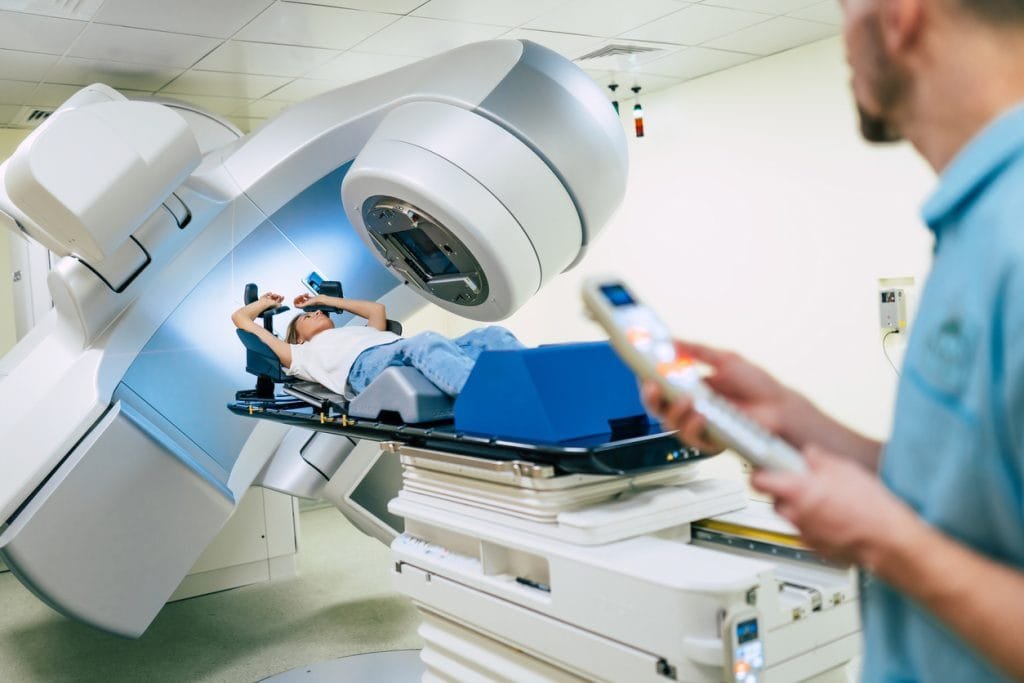
Radiation therapy is a cornerstone in the treatment of many cancers, particularly head and neck malignancies. While modern radiation techniques allow precise targeting of tumors, protecting surrounding healthy tissues, patients can still experience side effects, especially affecting the voice and swallowing. For patients who have undergone radiation therapy for laryngeal, oropharyngeal, or other head and neck cancers, rehabilitation and voice therapy are essential components of recovery. For residents of Hyderabad, consulting an experienced specialist is vital. Dr. R. Nivalika, recognized as the Best Radiation Oncologist in Malakpet, Hyderabad, provides advanced radiation treatments combined with comprehensive post-treatment rehabilitation to optimize patient outcomes and quality of life. Understanding the Impact of Radiation on the Voice Radiation therapy for head and neck cancers can affect the vocal cords, larynx, and surrounding tissues. Common changes include: These side effects may persist for weeks to months after radiation, depending on the dose, duration, and individual healing response. Early intervention with voice therapy can prevent long-term voice changes and improve functional outcomes. The Importance of Rehabilitation After Radiation Post-radiation rehabilitation is a multidisciplinary approach that includes voice therapy, swallowing exercises, and general supportive care. The primary goals are to: Patients often benefit most when rehabilitation starts early, ideally during or immediately after radiation therapy, under the guidance of a qualified speech-language pathologist and oncologist. Voice Therapy: Techniques and Strategies Voice therapy is a specialized set of exercises designed to improve the quality, strength, and endurance of the voice. Key components include: 1. Vocal Warm-Ups Gentle exercises to stimulate vocal cord vibration and reduce tension before speaking, such as humming or lip trills. 2. Breath Support Exercises Strengthening the diaphragm and respiratory muscles to improve airflow and voice projection. Techniques include controlled inhalation/exhalation exercises and posture alignment. 3. Resonance Therapy Exercises that enhance the vibration of sound in the oral and nasal cavities, helping improve tone and clarity without straining the vocal cords. 4. Pitch and Intonation Exercises Gradual vocal exercises to restore normal pitch range and prevent monotone voice caused by stiffness or scarring of vocal tissues. 5. Vocal Hygiene and Self-Care Patients are encouraged to: Swallowing and Functional Rehabilitation Radiation therapy can also affect swallowing (dysphagia) due to inflammation, fibrosis, or reduced coordination of muscles. Rehabilitation strategies include: These measures not only improve swallowing safety but also enhance overall nutrition and energy levels during recovery. When to Seek Professional Help Patients should consult their oncologist or speech-language pathologist if they notice: Early referral to rehabilitation services helps prevent chronic voice problems and improves functional outcomes. Multidisciplinary Approach to Post-Radiation Recovery The most effective rehabilitation occurs when a team collaborates to address all aspects of recovery. This team may include: Such a holistic approach ensures patients regain both functional and emotional well-being after treatment. Role of Advanced Radiation Techniques Modern radiation therapy techniques, such as IMRT, IGRT, SBRT, and RapidArc, allow precise targeting of tumors while minimizing exposure to surrounding healthy tissues. This precision reduces the severity of side effects, including voice changes. As the Best Cancer Specialist in Malakpet, Hyderabad, Dr. R. Nivalika leverages these advanced modalities to optimize tumor control while preserving vocal and swallowing function, providing patients with a safer treatment experience. Patient Education and Self-Care In addition to professional therapy, patients can take several steps at home to support recovery: Consistent adherence to these practices enhances the benefits of formal voice therapy and accelerates functional recovery. Success Stories and Patient Outcomes Patients who engage in structured rehabilitation and voice therapy after radiation often report: With individualized care plans and ongoing monitoring, most patients can regain a near-normal level of vocal function. Conclusion Radiation therapy is highly effective in treating head and neck cancers, but it can affect the voice and swallowing function. Rehabilitation and voice therapy are essential components of post-treatment care, helping patients regain their voice, maintain swallowing safety, and improve overall quality of life. For patients in Hyderabad seeking comprehensive, evidence-based care, Dr. R. Nivalika, recognized as the Best Radiation Oncologist in Malakpet, Hyderabad, offers advanced radiation treatments alongside personalized rehabilitation strategies. Her compassionate approach ensures patients receive not only effective cancer therapy but also support for recovery, nutrition, and mental health. If you or a loved one has undergone radiation therapy for a head or neck malignancy, early consultation for voice and swallowing rehabilitation can make a significant difference in recovery. Contact Dr. R. Nivalika today to schedule an appointment with the Best Cancer Specialist in Malakpet, Hyderabad, and take the first step toward restoring your voice and improving your quality of life.