
Yashoda Hospitals
Malakpet
Dr. Kalyan's Speciality Clinic
Hasthinapuram
Call Us
+91-7207897798
+91-9392172078
Malakpet
Hasthinapuram
+91-7207897798
+91-9392172078
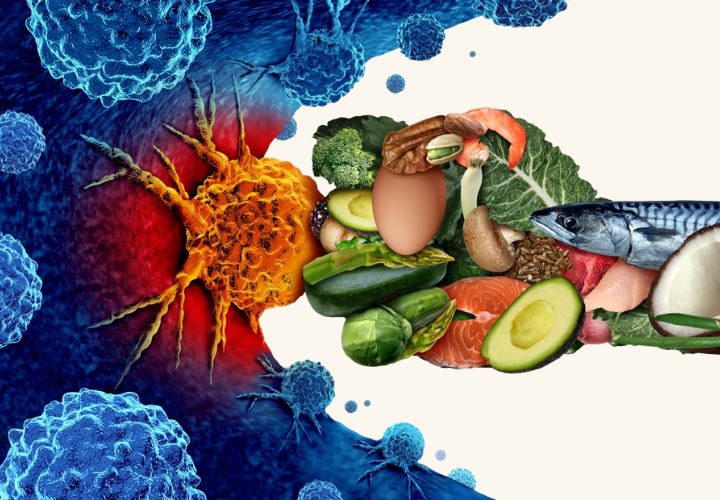
Cancer Nutrition & Diet Counseling is an essential component of supportive and comprehensive cancer care. Proper nutrition plays a vital role in helping patients maintain strength, improve treatment tolerance, support immune function, and enhance overall quality of life throughout their cancer journey. Cancer and its treatments can significantly affect appetite, digestion, metabolism, and nutrient absorption, making individualized nutritional guidance an important part of treatment planning.
At every stage of cancer care, personalized nutrition counseling helps patients address dietary challenges, manage treatment-related side effects, and achieve optimal nutritional status. A carefully designed nutrition plan can support recovery, reduce complications, and contribute to better treatment outcomes while ensuring that patients receive the nutrients needed for healing and wellbeing.
Cancer itself can cause significant changes in the body’s nutritional requirements and metabolism. Tumors may increase the body’s energy demands, leading to unintended weight loss and muscle wasting. In addition, treatments such as chemotherapy, radiation therapy, immunotherapy, targeted therapy, and surgery can affect appetite, taste, swallowing, digestion, and nutrient absorption.
Certain cancers involving the digestive tract, head and neck region, liver, pancreas, or esophagus may create additional nutritional challenges. Emotional stress, anxiety, fatigue, and depression associated with a cancer diagnosis can also contribute to poor dietary intake and nutritional deficiencies, making professional dietary counseling increasingly important throughout treatment.
Patients who require cancer nutrition and diet counseling may experience symptoms such as loss of appetite, unexplained weight loss, muscle weakness, fatigue, nausea, vomiting, difficulty swallowing, mouth sores, changes in taste or smell, diarrhea, constipation, bloating, or dehydration. Some individuals may struggle to consume adequate calories and protein, while others may experience nutritional deficiencies due to treatment-related side effects.
These symptoms can affect daily functioning, delay recovery, and impact a patient’s ability to tolerate cancer treatment. Early nutritional assessment helps identify concerns before they become more serious and allows timely intervention to support overall health.
Nutritional assessment begins with a comprehensive evaluation of the patient’s medical history, cancer diagnosis, treatment plan, dietary habits, weight changes, and current symptoms. Healthcare professionals may assess body weight, body mass index, muscle mass, hydration status, and laboratory parameters to determine nutritional needs and identify deficiencies.
The evaluation also includes understanding food preferences, cultural dietary practices, lifestyle factors, and treatment-related challenges that may influence eating patterns. This detailed assessment enables the development of a personalized nutrition strategy tailored to each patient’s specific condition and treatment goals.
Cancer Nutrition & Diet Counseling focuses on creating individualized dietary plans that meet the patient’s unique nutritional requirements. Recommendations may include adjustments in calorie intake, protein consumption, hydration, vitamin and mineral support, and meal timing to optimize energy levels and maintain body weight.
Patients undergoing chemotherapy, radiation therapy, or surgery may receive specialized guidance for managing symptoms such as nausea, loss of appetite, taste alterations, swallowing difficulties, and gastrointestinal discomfort. Nutritional interventions can include texture-modified diets, high-protein meal plans, oral nutritional supplements, and strategies to improve food intake during treatment. For patients with more complex nutritional needs, enteral or specialized nutritional support may be recommended under medical supervision.
Nutrition remains an important aspect of recovery even after cancer treatment has been completed. Post-treatment dietary counseling focuses on rebuilding strength, restoring healthy body weight, improving muscle mass, and supporting long-term health. Patients are guided toward balanced eating habits that promote healing and help reduce the risk of nutritional deficiencies.
Long-term nutritional support may also address survivorship concerns, including maintaining a healthy weight, managing treatment-related complications, improving cardiovascular health, and supporting overall wellness. Regular follow-up assessments ensure that nutritional goals continue to align with the patient’s changing health needs.
Without appropriate nutritional support, cancer patients may face complications such as malnutrition, severe weight loss, muscle wasting, weakened immunity, delayed wound healing, increased treatment-related side effects, and reduced treatment tolerance. Poor nutritional status can negatively impact recovery, quality of life, and overall treatment outcomes.
Conversely, relying on unverified dietary advice, restrictive diets, or unsupported nutritional supplements may create additional health risks. Professional guidance ensures that nutritional interventions are safe, evidence-based, and integrated with the patient’s cancer treatment plan.
Patients should seek medical advice if they experience persistent loss of appetite, significant weight loss, difficulty eating or swallowing, ongoing nausea or vomiting, severe fatigue, digestive disturbances, or any concerns about maintaining adequate nutrition during cancer treatment. Early consultation with a healthcare professional can help prevent nutritional complications and improve overall treatment tolerance.
Cancer Nutrition & Diet Counseling is beneficial at any stage of the cancer journey, whether before treatment, during active therapy, or throughout recovery. Timely nutritional support can enhance physical strength, improve comfort, and contribute to better overall outcomes while helping patients maintain the highest possible quality of life.
Getting an accurate diagnosis can be one of the most impactful experiences that you can have.
Copyright © 2026 Dr. R. Nivalika, All rights reserved. Powered by PrigmaSoft Technologies
Getting an accurate diagnosis can be one of the most impactful experiences that you can have.
WhatsApp us