Brain Tumor Cancer Treatment in Malakpet, Hyderabad
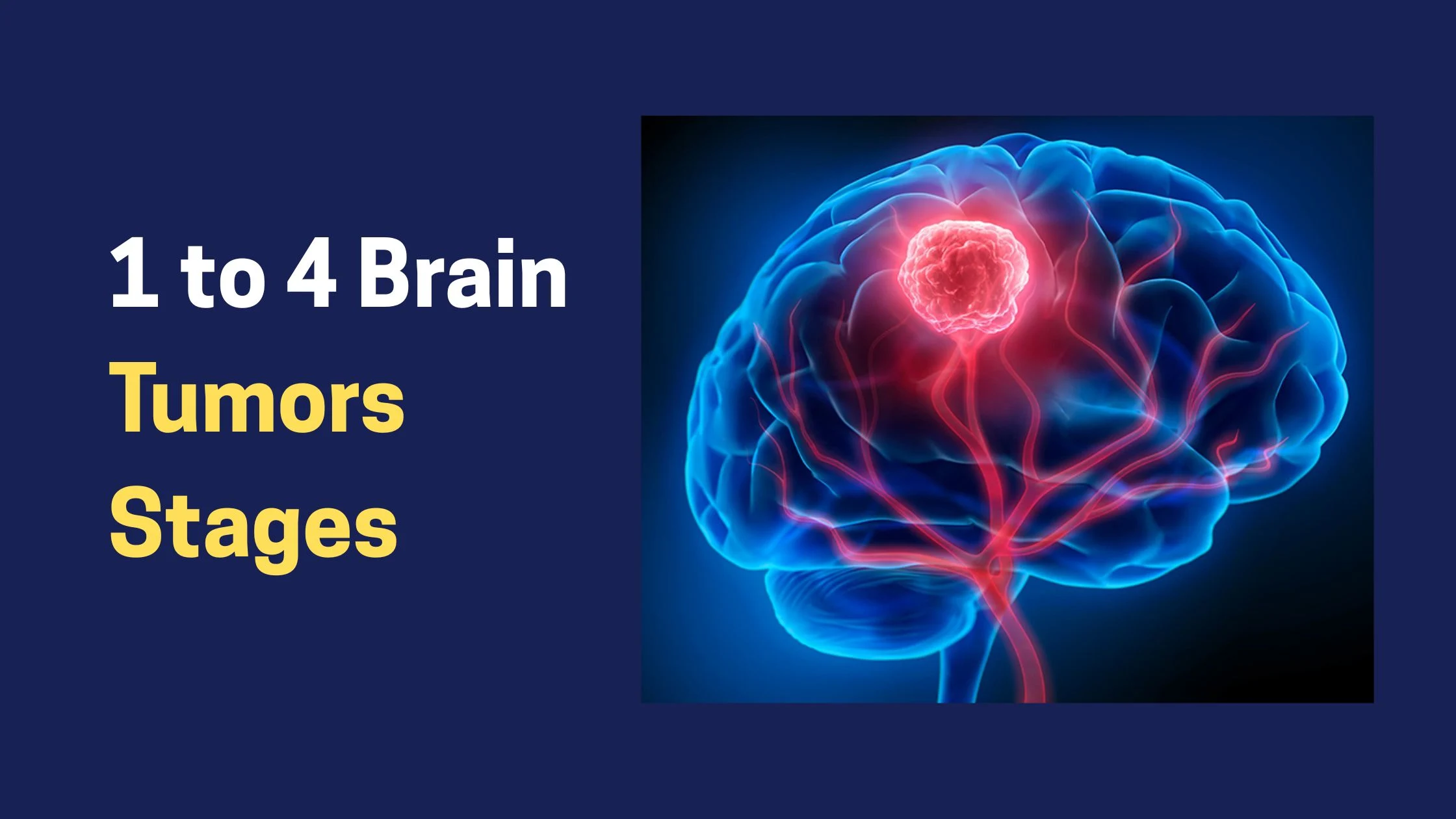
Brain tumor cancer refers to the abnormal growth of cells within the brain or surrounding tissues. Brain tumors can be benign (non-cancerous) or malignant (cancerous). Malignant brain tumors grow rapidly and may spread into nearby brain tissues, affecting normal brain functions. Brain tumors can originate in the brain itself (primary brain tumors) or spread to the brain from cancers in other parts of the body (secondary or metastatic brain tumors). Early diagnosis and proper treatment are crucial for improving patient outcomes.
Radiation therapy is an important treatment option for brain tumors. It uses high-energy radiation to destroy cancer cells, shrink tumors, and prevent further tumor growth. Radiation therapy may be used after surgery to eliminate remaining tumor cells or as the primary treatment when surgery is not possible.
If you’re seeking Brain Tumor Treatment in Malakpet, Hyderabad, radiation therapy can be a vital part of a comprehensive treatment plan designed to precisely target tumor cells while protecting healthy brain tissues.
Here’s an overview of radiation therapy for brain tumors:
Radiation Therapy Purpose:
Radiation therapy is used to destroy brain tumor cells and reduce the size of tumors. It is often recommended after surgery to eliminate any remaining cancer cells or as a primary treatment when the tumor cannot be safely removed.
Types of Radiation Therapy:
Several types of radiation therapy may be used for brain tumors. External Beam Radiation Therapy (EBRT) is the most common method, delivering radiation from outside the body to the tumor. Advanced techniques such as Stereotactic Radiosurgery (SRS) or Intensity-Modulated Radiation Therapy (IMRT) allow highly precise radiation delivery to the tumor.
Radiation Planning:
Before starting treatment, doctors perform detailed planning using imaging tests such as CT scans, MRI scans, or PET scans. These scans help radiation oncologists determine the exact location and size of the tumor to design a precise treatment plan.
Radiation Sessions:
Radiation therapy is usually given over several sessions across multiple weeks. Treatments are typically scheduled five days a week, and each session lasts only a few minutes. The treatment is painless and performed on an outpatient basis.
Side Effects:
Patients may experience side effects such as fatigue, headaches, nausea, hair loss in the treated area, and skin irritation on the scalp. Most side effects are temporary and improve gradually after treatment.
Long-Term Effects:
In some cases, long-term effects such as memory changes, hormonal changes, or cognitive difficulties may occur. Doctors closely monitor patients and provide supportive care to manage these effects.
Combination Therapy:
Radiation therapy is often combined with surgery or chemotherapy to improve treatment effectiveness. This combined approach helps control tumor growth and reduce the risk of recurrence.
Follow-Up Care:
After completing radiation therapy, regular follow-up visits are essential. Doctors monitor recovery, evaluate treatment results, and check for any signs of tumor recurrence through imaging tests and neurological examinations.