
5 Reasons Women are Choosing a Female Oncologist in Hyderabad for Cancer Care
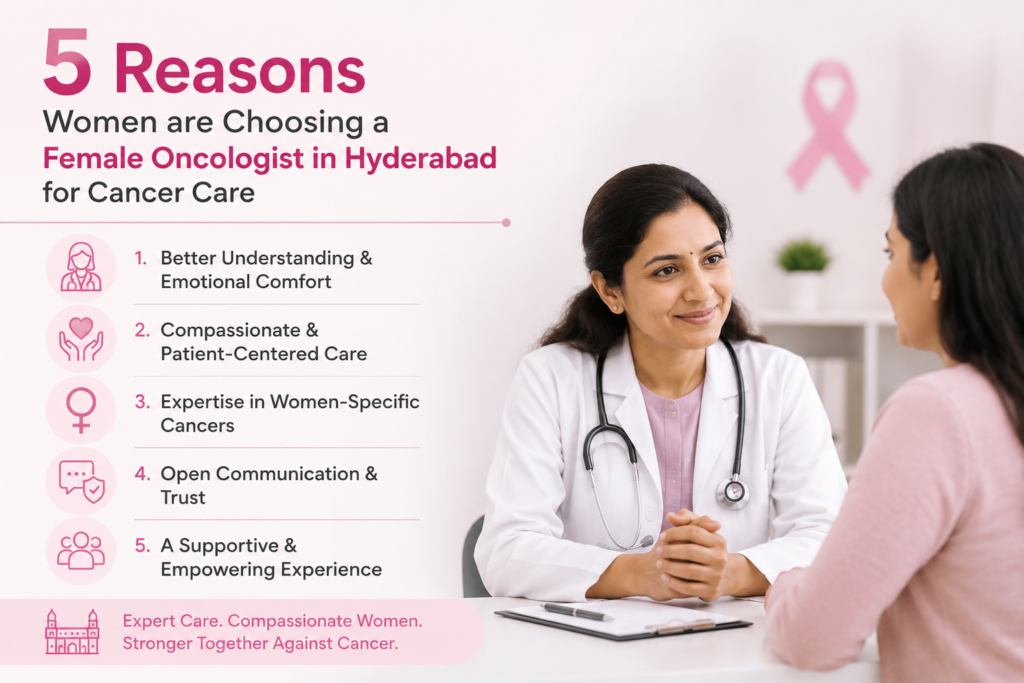
When it comes to a life-altering diagnosis like cancer, the relationship between a patient and her doctor is just as vital as the treatment itself. In recent years, there has been a noticeable shift in Hyderabad’s healthcare landscape: more women and their families are specifically seeking out a Female Medical Oncologist in Hyderabad to lead their care team. As a specialist in this field, I understand that cancer care is not just about “attacking cells”—it is about treating a person with a life, a family, and unique concerns. Below, I’ve outlined why this choice is becoming the preferred path for many women in our city. Why the Choice of Specialist Matters 1. Superior Comfort in Sensitive Discussions Many cancers affecting women, such as breast, cervical, uterine, or ovarian cancers, involve deeply personal physical and emotional changes. Patients often find it easier to discuss symptoms, body image concerns after surgery, and sexual health with a woman. This level of comfort ensures that no symptom is “hidden” out of shyness, leading to more accurate diagnoses and better management. 2. A Focus on “Quality of Life” and Long-term Side Effects Women often play multiple roles—as professionals, caregivers, and mothers. A female oncologist is often more attuned to the “collateral damage” of treatment. 3. Cultural Synergy and Communication In many Indian households, particularly in regions across Telangana and Andhra Pradesh, women feel a natural cultural ease when communicating with a female doctor. This synergy simplifies the “Doctor-Patient-Family” dynamic, making it easier for the family to understand the nuances of the treatment plan. 4. Expertise in Precision Technology Choosing the best female oncologist in Hyderabad doesn’t mean sacrificing technical power for empathy. Modern oncology in Hyderabad is world-class. We utilize advanced precision tools like: 5. The “Patient-First” Advocacy Female specialists often act as strong advocates for organ preservation. Whether it is “Breast Conservation Surgery” or “Nerve-sparing Radiation,” the goal is to save the organ and its function whenever possible, ensuring the patient feels like “herself” even after the treatment is over. Frequently Asked Questions (FAQ) Q: Does choosing a female oncologist improve treatment outcomes? A: While clinical protocols are standardized, “outcomes” include your mental well-being and treatment adherence. Patients who feel comfortable and heard are more likely to stick to their schedules and report side effects early, which directly leads to better survival rates. Q: I am looking for the Best Oncologist in Hyderabad; what should I check? A: Look for three things: Qualifications (DNB/MD in Oncology), Technology access (does their hospital have the latest radiation/chemo equipment?), and Accessibility (is the doctor available for follow-ups and emergencies?). Q: What specific cancers does a Female Medical Oncologist in Hyderabad handle? A: We handle all types of cancers, but there is a specialized focus on Breast Cancer, Cervical Cancer, Ovarian Cancer, and Lung Cancer in non-smokers (which is statistically rising among Indian women). Q: Is radiation therapy safe for women? A: Yes. Modern radiation is extremely targeted. We use “Respiratory Gating” to protect the heart and lungs during treatment for breast cancer, ensuring long-term safety. Your Journey to Recovery Starts with the Right Partnership Finding the Best Female Oncologist in Hyderabad is about more than just a search result; it’s about finding a partner who will stand by you from diagnosis to survivorship. If you or a loved one are seeking a comprehensive, compassionate, and technology-driven approach to cancer care, my team and I are here to provide the support you need. Dr. Nivalika Rajamoni (MBBS, DNB Radiation Oncology) Contact Information: Dr. Nivalika Rajamoni (MBBS, DNB Radiation Oncology) Phone: +91 7207897798Website: www.drnivalikaoncologist.co.in
Benefits of Advanced Radiation Therapy in Modern Cancer Care
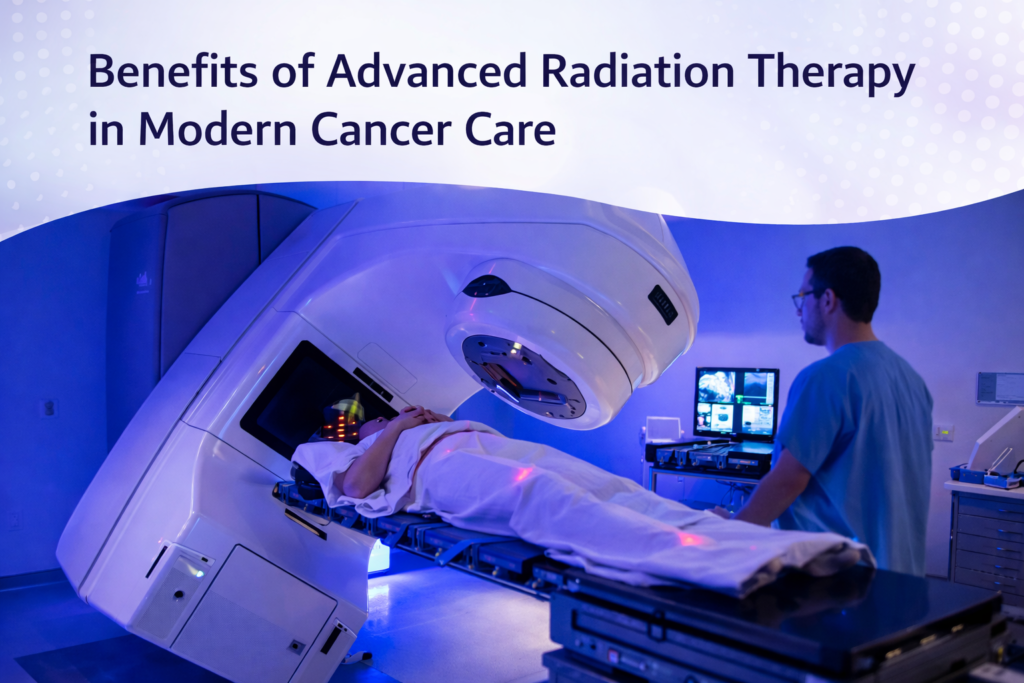
Cancer Treatment has evolved significantly over the last decade. Today, we no longer rely on a “one-size-fits-all” approach. Advanced radiation therapy has emerged as a cornerstone of modern oncology, offering hope and precision to patients who previously had limited options. As a Radiation Oncologist in Hyderabad, I often encounter patients who are anxious about the word “radiation.” This guide is designed to simplify how these modern technologies work and why they are a game-changer in your recovery journey. What makes modern radiation therapy different? In the past, radiation was a broad beam that could affect both the tumor and the healthy tissue surrounding it. Today, we use Precision Radiation Therapy. Think of it like a sniper versus a broad-spectrum tool; we can now target the DNA of cancer cells with sub-millimeter accuracy. Frequently Asked Questions Advanced radiation uses high-energy beams (like X-rays or protons) to damage the DNA within cancer cells. Once the DNA is broken beyond repair, the cells stop dividing and eventually die. The body then naturally processes and removes these dead cells. 2. What are the main benefits of “Advanced” techniques like IMRT or IGRT? 3. Is radiation therapy a “last resort”? Absolutely not. It is often the primary treatment for many cancers, including prostate, head and neck, and cervical cancers. It can also be used as Adjuvant Therapy after surgery to “mop up” any microscopic cells left behind, significantly reducing the risk of recurrence. 4. Can radiation be used for symptom relief ? Yes. In advanced stages, we use Palliative Radiation to shrink tumors that may be pressing on nerves or organs. This is incredibly effective for reducing pain, stopping bleeding, and improving the overall quality of life. Why choose specialized care? When looking for the Best Female Oncologist in Hyderabad, patients often seek a balance of technical expertise and empathetic communication. Advanced care is not just about the machines; it is about the meticulous planning—hours of “contouring”—that goes into ensuring every angle of the radiation beam is optimized for your specific anatomy. Modern oncology is a collaborative effort. Whether it is managing breast cancer, gynecological malignancies, or brain tumors, the goal is to provide a “personal touch” that addresses not just the physical tumor, but also the emotional and nutritional needs of the patient. Take the Next Step in Your Recovery Early detection and precise intervention are your strongest allies against cancer. If you or a loved one needs a comprehensive evaluation, expert counseling, or a second opinion on radiation planning, my team is here to support you. Contact Information: Dr. Nivalika Rajamoni (MBBS, DNB Radiation Oncology) Phone: +91 7207897798Website: www.drnivalikaoncologist.co.in
Can Moderate Drinking Affect Radiation Therapy Outcomes? Evidence Explained
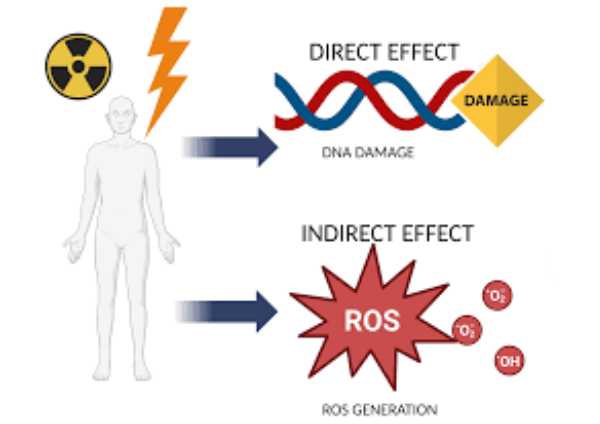
For many patients starting radiation therapy, one of the most common questions is whether moderate alcohol consumption is safe during treatment. As the Best Lady Oncologist in Hyderabad,I often emphasize that even moderate drinking can influence how well radiation works, how the body heals, and how the immune system responds. While occasional alcohol intake is socially common, its impact during radiation therapy is far more significant than most patients realize. Radiation therapy (RT) is a scientifically precise, highly targeted modality used to destroy cancer cells. But its effectiveness depends on the body’s internal environment—oxygen levels, immune strength, tissue recovery capacity, and metabolic health. Alcohol interferes with all these factors. Whether you are consulting the Best Cancer Specialist in Malakpet, Hyderabad or any radiation oncologist worldwide, the medical recommendation remains consistent: alcohol must be approached with caution during cancer treatment. Understanding the Body’s Response During Radiation Therapy Radiation works by causing damage to cancer cell DNA. To repair and regenerate healthy tissue effectively, the body requires strong immune functioning, good hydration, proper nutrition, and stable blood flow. Moderate drinking—commonly defined as 1–2 drinks per day—may appear harmless but can silently affect several cellular processes that influence treatment outcomes. When a patient consults the Best Lady Oncologist in Hyderabad, they are often advised that even small amounts of alcohol can interact with radiation therapy in ways that slow healing, intensify side effects, and reduce the therapy’s precision. Similarly, medical guidance from the Best Cancer Specialist in Malakpet, Hyderabad stresses that cancer care is not just about radiation doses—it’s about supporting the entire body holistically throughout the treatment process. How Alcohol Interferes With Radiation Therapy 1. Alcohol Weakens the Immune System Radiation therapy temporarily strains immune function as it targets rapidly dividing cells. Alcohol further suppresses immunity by: When patients meet the Best Lady Oncologist in Hyderabad, the discussion always includes immune system safety, because alcohol-induced suppression can slow recovery and worsen fatigue. 2. Alcohol Dehydrates the Body Radiation—especially to the abdomen, pelvis, head, and neck—causes dehydration. Alcohol, being a diuretic, worsens this effect. This can contribute to: This is why the Best Cancer Specialist in Malakpet, Hyderabad routinely advises patients to avoid alcohol during therapy. 3. Increased Risk of Mucositis and Mouth Ulcers Patients undergoing radiation to the oral cavity, throat, or esophagus are prone to mucositis. Alcohol irritates mucosal surfaces, making inflammation significantly worse. Even moderate drinking can intensify: For this reason, the Best Lady Oncologist in Hyderabad strongly discourages alcohol intake in head and neck cancer patients. 4. Alcohol Increases Skin Sensitivity Radiation often causes skin soreness, redness, and irritation. Alcohol dilates blood vessels and increases skin photosensitivity, which can worsen radiation dermatitis. Patients who follow instructions from the Best Cancer Specialist in Malakpet, Hyderabad typically notice improved skin healing when alcohol is avoided. Does “Moderate Drinking” Still Count as Risky? Many patients assume that if they limit themselves to a glass of wine or a beer, it won’t matter. However, studies show that even moderate consumption can: Since radiation relies on optimal cell repair, even small alcohol amounts can interfere with treatment goals. The Best Lady Oncologist in Hyderabad regularly explains that “moderation” in normal life is not the same as “moderation” during cancer treatment. Alcohol and Specific Cancer Types During RT 1. Breast Cancer Alcohol increases estrogen levels and oxidative stress. During radiation, this can contribute to heightened breast sensitivity and increase long-term recurrence risks. 2. Head & Neck Cancers For patients in this group, the Best Cancer Specialist in Malakpet, Hyderabad strongly warns against alcohol because: 3. GI Cancers Alcohol irritates the stomach and intestines, leading to more severe nausea, diarrhea, and abdominal pain during therapy. 4. Prostate Cancer While occasional intake may be tolerated, alcohol can worsen urinary symptoms caused by radiation. Long-Term Effects: Why Oncologists Recommend Reducing or Stopping Alcohol Completely Even after radiation therapy ends, the body continues repairing microscopic tissue changes for months. Alcohol can delay or disrupt this process. Research shows: This is why both the Best Lady Oncologist in Hyderabad and the Best Cancer Specialist in Malakpet, Hyderabad consistently advise patients to minimize or avoid alcohol not only during treatment but also for several months after completion. Can Patients Ever Drink During Radiation Therapy? While every case is unique, oncologists generally recommend: Most patients who follow guidance from the Best Lady Oncologist in Hyderabad experience fewer side effects and better treatment tolerance when alcohol is removed from their routine. What Patients Can Do Instead Cancer care is a team effort, and support from the Best Cancer Specialist in Malakpet, Hyderabad ensures patients get holistic guidance—not just medical treatment. Conclusion Moderate drinking may seem harmless, but even small amounts of alcohol can affect radiation therapy outcomes. From worsening inflammation to impairing immune function, alcohol creates conditions that make radiation less effective and more challenging to tolerate. Patients who prioritize their long-term recovery should strongly consider avoiding alcohol throughout radiation therapy and beyond. With the guidance of the Best Lady Oncologist in Hyderabad, patients can make informed lifestyle choices that support superior treatment outcomes. Likewise, consultations with the Best Cancer Specialist in Malakpet, Hyderabad ensure that every patient receives evidence-based, personalized advice that enhances healing, reduces complications, and improves quality of life during their cancer journey.
HPV Vaccination: Preventing Cervical and Head–Neck Cancers
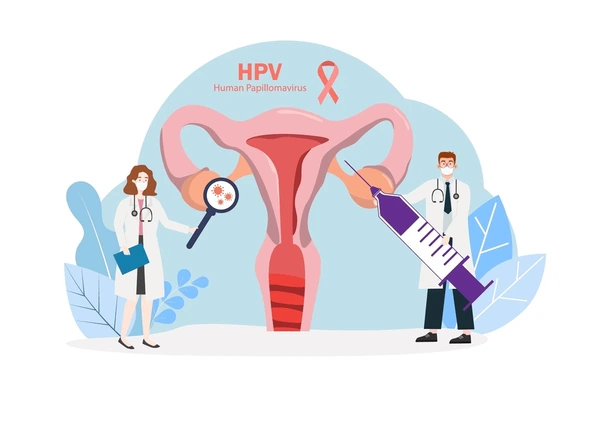
The fight against cancer is evolving – not just through advanced therapies, but through prevention. One of the most promising medical breakthroughs in recent decades is the Human Papillomavirus (HPV) vaccine, which has the potential to drastically reduce the global burden of cervical and head-and-neck cancers. As the Best Lady Oncologist in Hyderabad, Dr. R. Nivalika emphasizes that preventing cancer before it begins is one of the most powerful strategies in oncology today. Understanding HPV and Its Role in Cancer Human Papillomavirus (HPV) is a group of more than 200 related viruses, with certain high-risk strains known to cause cancer. HPV infections are extremely common and are primarily spread through sexual contact. While most HPV infections clear up on their own, persistent infection with high-risk types – particularly HPV 16 and 18 – can lead to the development of cancer. As the Best Cancer Specialist in Malakpet, Hyderabad,Dr. Nivalika often explains that the same virus responsible for cervical cancer in women is also causing a rising number of head and neck cancers in both men and women – particularly among non-smokers and younger individuals. The Game-Changing Role of HPV Vaccination The HPV vaccine was originally introduced to prevent cervical cancer, but its benefits extend far beyond that. It provides immunity against the most common cancer-causing HPV strains, significantly reducing the risk of infection and, therefore, the likelihood of developing related cancers later in life. 1. Cervical Cancer Prevention Countries with strong HPV vaccination programs, such as Australia and the UK, are witnessing a dramatic decline in the incidence of precancerous cervical lesions and invasive cervical cancer. Modeling studies predict that widespread vaccination could make cervical cancer a rare disease by 2040. 2. Head and Neck Cancer Reduction HPV-associated head and neck cancers are on the rise globally, particularly among men. Emerging evidence suggests that HPV vaccination not only protects against genital HPV infections but may also reduce the risk of oral HPV infections – which are precursors to these cancers. This represents a significant public health benefit, especially as head and neck cancers can be difficult to detect early. As the Best Lady Oncologist in Hyderabad, Dr. Nivalika encourages both boys and girls to receive the vaccine before exposure to HPV, ideally between ages 9 and 14, when the immune response is strongest. When and Who Should Get the HPV Vaccine? The World Health Organization (WHO) and major oncology societies recommend HPV vaccination for: There are two main vaccines available – bivalent (protecting against HPV 16 and 18) and nonavalent (protecting against nine HPV strains). Both have shown exceptional safety and efficacy profiles. Addressing Common Myths About HPV Vaccination Despite overwhelming evidence, misinformation continues to hinder HPV vaccine uptake. Dr. Nivalika, the Best Cancer Specialist in Malakpet, Hyderabad, addresses some of the most common misconceptions: Myth: The HPV vaccine encourages early sexual activity. Fact: There is no evidence to support this. The vaccine is a preventive health measure, not linked to behavior. Myth: Only women need the vaccine. Fact: Men are also at risk of HPV-related cancers, including head, neck, and anal cancers. Vaccinating both genders is crucial for herd immunity. Myth: The vaccine causes infertility or severe side effects. Fact: Extensive research and global safety monitoring show the vaccine to be extremely safe, with mild side effects like soreness or low-grade fever being temporary. As the Best Lady Oncologist in Hyderabad, Dr. Nivalika emphasizes that HPV vaccination is one of the safest and most effective cancer prevention tools ever developed. How HPV Vaccination Will Transform Future Cancer Statistics The impact of HPV vaccination on cancer prevention is already measurable in several countries. Here’s how it’s expected to reshape the future: 1. Drastic Reduction in Cervical Cancer Incidence Global modeling predicts that with 90% vaccine coverage and regular screening, cervical cancer could be virtually eliminated in most countries by the end of this century. 2. Decline in Head and Neck Cancer Rates While it may take decades for the full effect to show, early evidence already points to fewer HPV-positive oropharyngeal cancers among vaccinated populations. 3. Reduced Healthcare Burden Preventing HPV-related cancers will significantly cut treatment costs and hospitalizations. For oncologists like Dr. Nivalika, this represents a major leap toward sustainable cancer care. 4. Improved Quality of Life Fewer patients will need to endure complex treatments like chemotherapy and radiation, leading to better overall quality of life outcomes. The Role of Screening and Early Detection Vaccination does not eliminate the need for regular screening. For women, Pap smears and HPV tests remain essential, as the vaccine doesn’t cover all oncogenic HPV types. Combining vaccination with regular screening offers the best protection. For head and neck cancers, awareness of early warning signs – such as persistent sore throat, difficulty swallowing, or unexplained neck lumps – is crucial. As the Best Cancer Specialist in Malakpet, Hyderabad, Dr. Nivalika stresses that early detection still remains the cornerstone of successful cancer treatment. Integrating Prevention and Advanced Treatment Even as prevention gains momentum, treatment innovations continue to evolve. Dr. Nivalika, a leading Best Lady Oncologist in Hyderabad, is known for using advanced radiation therapy techniques such as IMRT, IGRT, SBRT, SRS, and DIBH to deliver precise, targeted treatment while minimizing side effects. These technologies have transformed how head and neck cancers are managed, offering patients better outcomes and faster recovery. By combining modern prevention through HPV vaccination and cutting-edge radiotherapy, the future of oncology is more hopeful than ever. Final Thoughts: A Future Without HPV-Related Cancers The HPV vaccine is more than a medical innovation – it’s a symbol of what’s possible when prevention meets awareness. As public health efforts expand, the next generation could live in a world where cervical and HPV-related head and neck cancers are rare or even eliminated. Dr. R. Nivalika, recognized as the Best Lady Oncologist in Hyderabad, advocates for widespread HPV vaccination as a critical step in reducing the cancer burden in India. Her mission as the Best Cancer Specialist in Malakpet, Hyderabad is not only to treat cancer effectively but also to prevent it before it starts – ensuring healthier, longer lives for all. If you or your loved ones wish to know more about HPV vaccination,
Rehabilitation and Voice Therapy Post Radiation Treatment
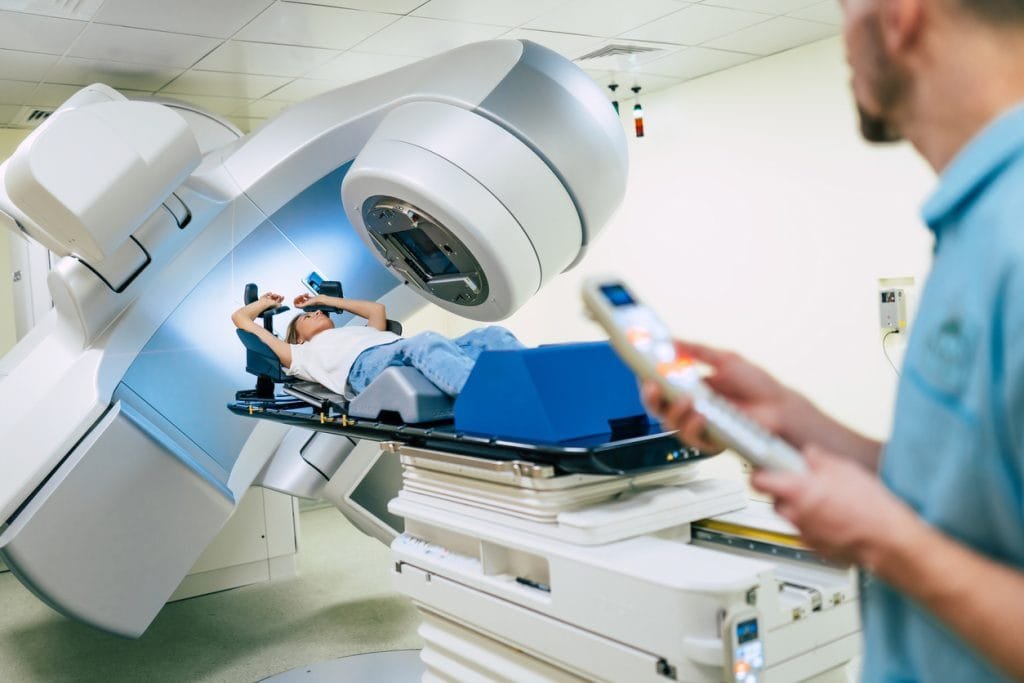
Radiation therapy is a cornerstone in the treatment of many cancers, particularly head and neck malignancies. While modern radiation techniques allow precise targeting of tumors, protecting surrounding healthy tissues, patients can still experience side effects, especially affecting the voice and swallowing. For patients who have undergone radiation therapy for laryngeal, oropharyngeal, or other head and neck cancers, rehabilitation and voice therapy are essential components of recovery. For residents of Hyderabad, consulting an experienced specialist is vital. Dr. R. Nivalika, recognized as the Best Radiation Oncologist in Malakpet, Hyderabad, provides advanced radiation treatments combined with comprehensive post-treatment rehabilitation to optimize patient outcomes and quality of life. Understanding the Impact of Radiation on the Voice Radiation therapy for head and neck cancers can affect the vocal cords, larynx, and surrounding tissues. Common changes include: These side effects may persist for weeks to months after radiation, depending on the dose, duration, and individual healing response. Early intervention with voice therapy can prevent long-term voice changes and improve functional outcomes. The Importance of Rehabilitation After Radiation Post-radiation rehabilitation is a multidisciplinary approach that includes voice therapy, swallowing exercises, and general supportive care. The primary goals are to: Patients often benefit most when rehabilitation starts early, ideally during or immediately after radiation therapy, under the guidance of a qualified speech-language pathologist and oncologist. Voice Therapy: Techniques and Strategies Voice therapy is a specialized set of exercises designed to improve the quality, strength, and endurance of the voice. Key components include: 1. Vocal Warm-Ups Gentle exercises to stimulate vocal cord vibration and reduce tension before speaking, such as humming or lip trills. 2. Breath Support Exercises Strengthening the diaphragm and respiratory muscles to improve airflow and voice projection. Techniques include controlled inhalation/exhalation exercises and posture alignment. 3. Resonance Therapy Exercises that enhance the vibration of sound in the oral and nasal cavities, helping improve tone and clarity without straining the vocal cords. 4. Pitch and Intonation Exercises Gradual vocal exercises to restore normal pitch range and prevent monotone voice caused by stiffness or scarring of vocal tissues. 5. Vocal Hygiene and Self-Care Patients are encouraged to: Swallowing and Functional Rehabilitation Radiation therapy can also affect swallowing (dysphagia) due to inflammation, fibrosis, or reduced coordination of muscles. Rehabilitation strategies include: These measures not only improve swallowing safety but also enhance overall nutrition and energy levels during recovery. When to Seek Professional Help Patients should consult their oncologist or speech-language pathologist if they notice: Early referral to rehabilitation services helps prevent chronic voice problems and improves functional outcomes. Multidisciplinary Approach to Post-Radiation Recovery The most effective rehabilitation occurs when a team collaborates to address all aspects of recovery. This team may include: Such a holistic approach ensures patients regain both functional and emotional well-being after treatment. Role of Advanced Radiation Techniques Modern radiation therapy techniques, such as IMRT, IGRT, SBRT, and RapidArc, allow precise targeting of tumors while minimizing exposure to surrounding healthy tissues. This precision reduces the severity of side effects, including voice changes. As the Best Cancer Specialist in Malakpet, Hyderabad, Dr. R. Nivalika leverages these advanced modalities to optimize tumor control while preserving vocal and swallowing function, providing patients with a safer treatment experience. Patient Education and Self-Care In addition to professional therapy, patients can take several steps at home to support recovery: Consistent adherence to these practices enhances the benefits of formal voice therapy and accelerates functional recovery. Success Stories and Patient Outcomes Patients who engage in structured rehabilitation and voice therapy after radiation often report: With individualized care plans and ongoing monitoring, most patients can regain a near-normal level of vocal function. Conclusion Radiation therapy is highly effective in treating head and neck cancers, but it can affect the voice and swallowing function. Rehabilitation and voice therapy are essential components of post-treatment care, helping patients regain their voice, maintain swallowing safety, and improve overall quality of life. For patients in Hyderabad seeking comprehensive, evidence-based care, Dr. R. Nivalika, recognized as the Best Radiation Oncologist in Malakpet, Hyderabad, offers advanced radiation treatments alongside personalized rehabilitation strategies. Her compassionate approach ensures patients receive not only effective cancer therapy but also support for recovery, nutrition, and mental health. If you or a loved one has undergone radiation therapy for a head or neck malignancy, early consultation for voice and swallowing rehabilitation can make a significant difference in recovery. Contact Dr. R. Nivalika today to schedule an appointment with the Best Cancer Specialist in Malakpet, Hyderabad, and take the first step toward restoring your voice and improving your quality of life.
Understanding the Stages of Breast Cancer and Treatment Options
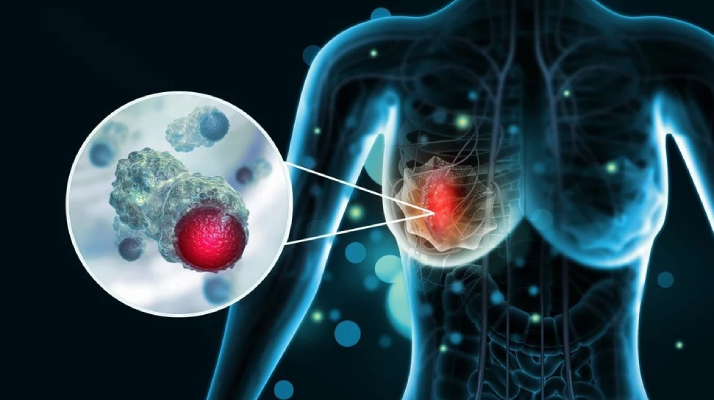
Breast cancer remains one of the most common cancers affecting women worldwide. Early detection and understanding the disease’s progression play a crucial role in improving treatment outcomes. For patients seeking expert care, consulting the Best Radiation Oncologist in Malakpet, Hyderabad, or a Female Oncologist in Hyderabad ensures personalized guidance and advanced treatment options Dr. R. Nivalika, recognized as the Best Lady Oncologist in Hyderabad and Best Cancer Specialist in Malakpet, Hyderabad, specializes in breast cancer management and provides compassionate, evidence-based care tailored to each patient. What Are the Stages of Breast Cancer? Breast cancer is classified into stages based on the size of the tumor, lymph node involvement, and whether it has spread to other parts of the body. Understanding these stages helps oncologists determine the most effective treatment strategy. Stage 0: Carcinoma in Situ Stage I: Early Invasive Cancer Stage II: Larger Tumors or Limited Lymph Node Involvement Stage III: Advanced Local Disease Stage IV: Metastatic Breast Cancer Treatment Options for Breast Cancer Modern breast cancer management involves a multidisciplinary approach, combining surgery, radiation, and systemic therapies. The choice of treatment depends on cancer stage, tumor biology, patient health, and personal preferences. Surgery Radiation Therapy Chemotherapy and Hormonal Therapy Targeted Therapy and Immunotherapy The Role of Early Detection Early detection significantly improves survival rates and widens treatment options. Women are encouraged to: Patient-Centric Care Approach Dr. R. Nivalika emphasizes not only medical treatment but also holistic patient care: Her compassionate approach ensures that patients feel supported throughout their cancer journey. Conclusion Understanding the stages of breast cancer is fundamental for choosing the right treatment plan. From early detection and surgery to advanced radiation therapies, each stage requires a carefully tailored approach. Consulting an experienced oncologist, such as the Best Radiation Oncologist in Malakpet, Hyderabad, or a Female Oncologist in Hyderabad, ensures access to comprehensive, evidence-based care. For women seeking specialized breast cancer care, Dr. R. Nivalika Rajamoni, the Best Lady Oncologist in Hyderabad and Best Cancer Specialist in Malakpet, Hyderabad, offers personalized treatment plans that combine cutting-edge medical techniques with empathy, guidance, and holistic support. Early diagnosis, timely intervention, and expert care can significantly improve outcomes, enhance quality of life, and provide patients with hope and confidence throughout their cancer journey.
Breathing Better During and After Lung Cancer Treatment: A Guide for Patients
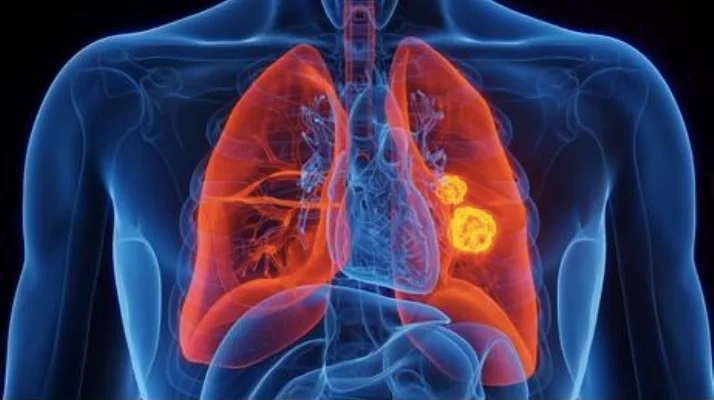
For those diagnosed with lung cancer, one of the most challenging aspects is the impact on breathing and overall lung function. Whether it’s caused by the tumor itself, the side effects of treatment, or the emotional toll of the disease, breathing difficulties can significantly affect daily life. However, with the right approach – including advanced radiation techniques, lifestyle adjustments, and expert medical guidance – patients can breathe easier during and after lung cancer treatment. In this blog, we explore practical strategies to support lung health through the journey of treatment and recovery. Understanding How Lung Cancer Affects Breathing Lung cancer can lead to shortness of breath (dyspnea), persistent cough, chest discomfort, and wheezing. These symptoms may result from: Moreover, treatments like chemotherapy and radiation can temporarily inflame lung tissue, making breathing more labored. Addressing these issues early and with the right interventions can make a noticeable difference in quality of life. Radiation Therapy: A Precise and Effective Treatment Radiation therapy is a cornerstone in lung cancer treatment, especially for patients who are not surgical candidates or when the cancer is locally advanced. Thanks to recent advancements, radiation therapy has become significantly more targeted and safer for surrounding healthy tissues. At the Yashoda Cancer Institute in Malakpet, Hyderabad, Dr. R. Nivalika, an experienced and compassionate radiation oncologist, offers cutting-edge radiation techniques like SBRT (Stereotactic Body Radiation Therapy), IGRT (Image-Guided Radiation Therapy), DIBH (Deep Inspiration Breath Hold), and Respiratory Gating. These approaches are designed to reduce radiation exposure to healthy lung tissue while delivering precise doses to the tumor. If you’re seeking the Best Radiation Oncologist in Malakpet, Hyderabad, Dr. Nivalika is widely recognized for her expertise and evidence-based, patient-centric cancer care Breathing Strategies During Treatment Managing breathlessness is not just a medical issue – it’s a daily concern. Here are some strategies patients can adopt during treatment: 1. Practice Pursed-Lip Breathing This technique helps control shortness of breath: It keeps airways open longer and reduces effort. 2. Deep Diaphragmatic Breathing Also known as belly breathing, this technique strengthens the diaphragm, reduces stress, and enhances oxygen exchange. 3. Use of a Spirometer An incentive spirometer can help improve lung capacity and function during radiation therapy, especially if combined with deep breathing exercises. 4. Hydration and Humidified Air Dry airways can aggravate cough and breathlessness. Using a humidifier and drinking adequate water helps keep the airways moist and reduces irritation. Post-Treatment Recovery and Lung Health After completing lung cancer treatment, patients may continue to experience some breathing difficulties, especially if radiation pneumonitis or fibrosis has occurred. Recovery of lung function depends on several factors, including the stage of the disease, baseline lung capacity, and lifestyle habits. Here’s how to support recovery: Pulmonary Rehabilitation These programs include supervised exercise, education, and breathing retraining. They are particularly beneficial after lung cancer surgery or radiation therapy. Light Aerobic Exercise Walking, yoga, or gentle swimming can improve oxygen intake and strengthen lung muscles. Always consult your oncologist before beginning any exercise routine. Nutrition for Lung Health A diet rich in antioxidants (found in fruits, vegetables, and nuts) supports tissue repair and strengthens the immune system Avoid Environmental Irritants Stay away from smoke, pollution, dust, and strong chemicals that may irritate the lungs. Emotional Wellness Anxiety and depression are common and can also affect breathing. Practices like meditation, journaling, and counseling can ease mental stress, allowing for easier breathing. Compassionate Care with Expertise Matters What truly makes a difference during cancer care is not just access to advanced technology but also the human touch. Dr. R. Nivalika is known for her empathetic approach and commitment to delivering radiation treatment with minimal side effects, while ensuring patients are well-informed, nutritionally supported, and emotionally guided through the process. Her special interest in lung cancers, breast cancers, brain tumors, and gynaecological malignancies enables her to provide focused and tailored treatment plans. Patients looking for the Best Cancer Specialist in Malakpet, Hyderabad often turn to her for her integrated approach that blends science, care, and compassion. When to Seek Help You should speak to your oncologist or radiation team if you experience: Early intervention can prevent complications and lead to better outcomes. Conclusion Breathing better during and after lung cancer treatment is possible with the right combination of medical care, breathing strategies, rehabilitation, and lifestyle support. Modern radiation techniques like SBRT, IGRT, and DIBH play a pivotal role in improving survival while preserving lung function. If you or a loved one is undergoing treatment and looking for expert guidance, connect with Dr. R. Nivalika, the Best Radiation Oncologist in Malakpet, Hyderabad, for a personalized and compassionate care experience that helps you heal, breathe better, and live well. To book a consultation or learn more about services, visit: https://drnivalikaoncologist.co.in
DR. NIVALIKA RAJAMONI: Championing Cancer Prevention & Wellness Advocacy
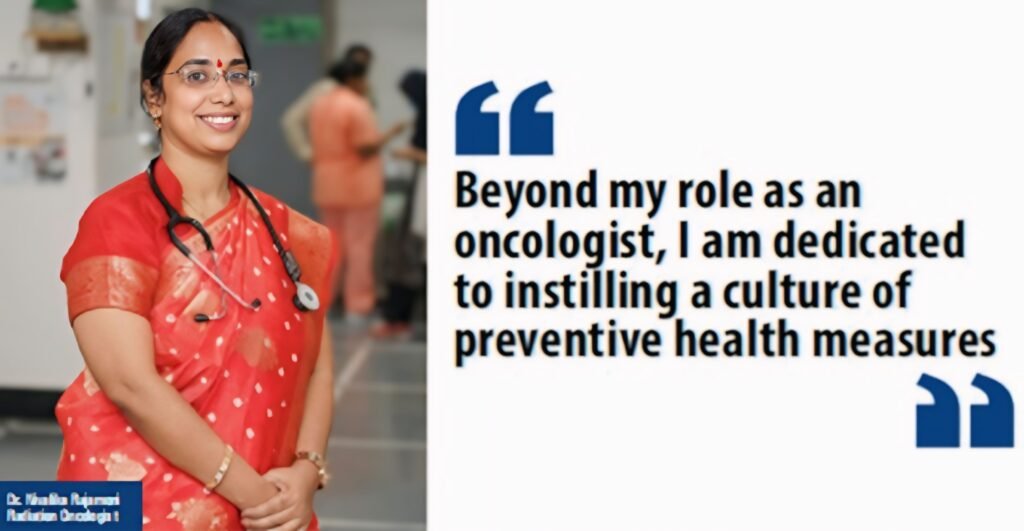
India. Despite facing the challenges of adapting to different environments and languages, she demonstrated resilience and emerged as a front-runner in her academic pursuits. Excelling in her studies, she secured the top position in her school during the tenth grade, marking the beginning of a remarkable journey. Driven by her determination, she continued to achieve academic milestones, ultimately earning a coveted seat at Osmania Medical College. Her expertise in radiation oncology flourished during her tenure at KIMS hospital, a premier institution. Currently serving as a consultant at Yashoda Hospital, Dr. Nivalika reflects on a fulfilling ten-year journey, exemplifying dedication and contentment in her chosen career path. Dr. Nivalika leads the way in embracing cutting-edge oncological advancements in Hyderabad, encompassing SRS, SRT, SBRT, DIBH, Respiratory Gating, and the MR LINAC technology which is the world’s best and India’s first quantum leap technology in cancer care. As a distinguished member of the Association of Radiation Oncology of India and the IMA, her specialization in Radiation Oncology focuses on addressing all types of cancer cases, especially brain tumors and female cancers. Driven by a passion for quality, she invests extensive hours in meticulous contouring and planning for radiation, ensuring optimal outcomes and emphasizing the crucial aspects of Radiation Treatment delivery. “In the world of medicine, my journey through school shaped me into a dedicated and compassionate healer. I prioritize ethical practice, avoiding unnecessary treatments and meetings. I believe in giving a personal touch to my care, treating each patient as an individual rather than just a case. My unique approach involves simple and heartfelt counseling, addressing not only medical concerns but also the emotional and financial challenges, for those dealing with cancer”, adds Dr. Nivalika, Consultant Radiation Oncologist, Yashoda Hospitals. Transformative Trends in Healthcare In the evolving landscape of healthcare, significant changes have been witnessed in disease patterns, societal attitudes and medical advancements. Over the past decade, there has been a noticeable increase in the prevalence of cancer, transforming it into a more common health concern affecting families across the board. This shift has been accompanied by a positive change in mentality, with growing awareness and acceptance of seeking medical treatment for cancer. The healthcare sector has undergone substantial progress, with increased accessibility to specialized services and notable improvements in diagnostic capabilities through advancements in imaging and pathology. The continuous evolution of medical technologies, encompassing new cancer drugs and advanced Radiation therapies, showcases a commitment to providing patients with effective and cutting-edge treatments Beyond my role as an oncologist, I am dedicated to instilling a culture of preventive health measures Evidence-Based Excellence In the realm of oncology, adherence to evidencebased medicine is crucial. Strict guidelines form the foundation of every treatment and each step aligns with established protocols, ensuring a comprehensive approach. “Within my medical team, comprised of dedicated medical and surgical oncologists, we foster a collaborative environment. Regular discussions ensue, evaluating optimal approaches for each case based on our established protocols. This continuous dialogue extends to the forefront of oncological advancements, where we share and absorb the latest treatment modalities. Every incoming patient undergoes thorough collective scrutiny, ensuring a nuanced decision-making process. It’s our commitment to staying abreast of evolving treatments and collaborating seamlessly that defines our ethos in providing the best possible care in the dynamic landscape of oncology”, asserts Dr. Nivalika Lifelong Mission to Prevent Cancer Dr. Nivalika passionately advocates for two pillars of public health: cancer awareness and embracing a healthy lifestyle. In her extensive lectures, she emphasizes the critical importance of recognizing warning signs and urges regular health checkups, especially after the age of 40. Early detection, she asserts, is pivotal for improved cancer treatment outcomes. However, beyond awareness, Dr. Nivalika fervently underscores the pressing need for a healthy lifestyle. “The escalating cancer rates, expected to rise by 25 percent, stem directly from unhealthy lifestyles. Beyond my role as an oncologist, I’m dedicated to instilling a culture of preventive health measures. Prioritizing healthy diets, exercise, and overall wellness, I passionately believe that cultivating awareness and embracing lifestyle changes can substantially diminish the risk of cancer. Through widespread awareness initiatives, I aim to foster healthier living practices in communities. It’s not just about responding to the challenges of cancer but actively working towards a future where a healthier lifestyle becomes the norm, significantly reducing the prevalence of this disease”, adds Dr. Nivalika. In the demanding field of medicine, Dr. Nivalika also emphasizes the indispensable need for self-belief and unwavering consistency among female doctors. Encouraging them to trust their abilities and persistently pursue their goals, she emphasizes on the crucial role these qualities play in achieving professional success. With self-confidence as a guiding force and steadfast consistency in their endeavors, female doctors can overcome challenges and make significant contributions to the medical community.
క్యాన్సర్: కారణాలు, లక్షణాలు మరియు ప్రమాద కారకాలు, చికిత్స విధానాలు
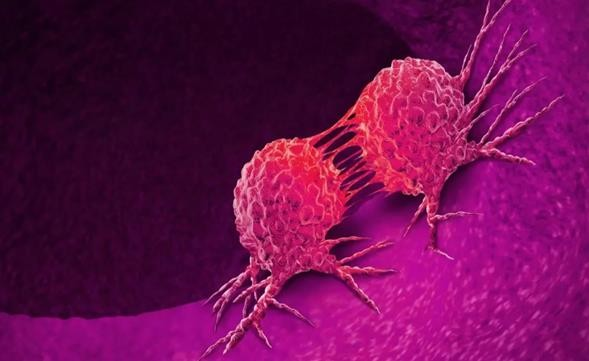
క్యాన్సర్ అంటే ఏమిటి ? సాధారణంగా మన శరీరంలో కణ విభజనలు ఒక క్రమ పద్ధతిలో జరుగుతాయి. అయితే, కొన్ని కారణాల వల్ల, ఆ కణాలు నియంత్రణ కోల్పోయి, చాలా వేగంగా, అనియంత్రితంగా విభజన చెంది కణ సమూహాలుగా ఏర్పడే స్థితినే క్యాన్సర్ అంటారు. ఈ కణ సమూహాలను ‘కణితి’ (ట్యూమర్) అని పిలుస్తారు. ఛాతీ, లంగ్స్, చర్మ, గొంతు, గర్భాశయం, అండాశయం, జీర్ణాశయం, పేగులు, నోటి క్యాన్సర్ వంటి దాదాపు 100కు పైగా క్యాన్సర్ వ్యాధి రకాలు ఉన్నాయి. క్యాన్సర్ వ్యాధి అన్ని వయస్సుల వారికి వచ్చే అవకాశం ఉంటుంది కానీ, వయస్సు పెరుగుతున్న కొద్ది ఈ వ్యాధి ముప్పు ఎక్కువ.. క్యాన్సర్ కణాలు ముందుగా స్థానిక కణజాలం పైన దాడి చేసి వాటిని నాశనం చేయడమే కాకుండా మన శరీరంలోని రక్తం మరియు శోషరస వ్యవస్థ (lymphatic system) ద్వారా ఇతర బాగాలకు కూడా వ్యాపించడాన్ని మెటాస్టాటిక్ క్యాన్సర్ అంటారు. ఈ క్యాన్సర్ మానవ శరీరంలో దాదాపు ఎక్కడైనా రావొచ్చు. ఈ క్యాన్సర్ వ్యాధి పట్ల సరైన అవగాహన లేక పోవడం, నిరక్షరాస్యత, భయం, వివిధ రకాల అపోహల వల్ల చాలా కేసుల్లో వ్యాధి తీవ్రత పెరిగిన తర్వాత గుర్తిస్తుండటంతో పరిస్థితి చేయి దాటిపోయి ప్రాణాలు సైతం కోల్పోతున్నారు. క్యాన్సర్స్ రావడానికి ముఖ్య కారణాలు: మన శరీర కణాలు పని చేసే విధానం, విభజన ప్రక్రియలని నియంత్రించే నిర్దిష్ట DNA లోని జన్యు పరమైన మార్పులు కాన్సర్ కి కారణమవుతాయి. క్యాన్సర్ యొక్క లక్షణాలు: క్యాన్సర్ వల్ల వచ్చే సంకేతాలు మరియు లక్షణాలు శరీరంలోని ఏ భాగాన్ని ప్రభావితం చేశాయనే దానిపై ఆధారపడి ఉంటుంది. కొన్ని సాధారణ సంకేతాలు మరియు లక్షణాలు క్యాన్సర్తో సంబంధం కలిగి ఉంటాయి, క్యాన్సర్ యొక్క ప్రమాద కారకాలు: క్యాన్సర్ యొక్క రకాలు: క్యాన్సర్ను ప్రధానంగా అవి ప్రారంభమయ్యే కణ రకాన్ని బట్టి వర్గీకరించవచ్చు క్యాన్సర్ యొక్క దశలు: చాలా క్యాన్సర్లలో 4 దశలు ఉంటాయి. అయితే శరీరంలో కణితి స్థానం మరియు పరిమాణం బట్టి వివిధ దశలుగా వర్గీకరించవచ్చు. క్యాన్సర్ కు చేసే పరీక్షలు: సాధారణ క్యా న్స ర్ చికిత్స లు: ఈ మధ్య కాలంలో కాన్సర్ కి లేటెస్ట్ ట్రీట్మెంట్ వచ్చింది . ఇది సక్సెస్ అవ్వడం అనేది క్యాన్సర్ రకాన్ని బట్టి ఉంటుంది. చాలా మంది కాన్సర్ కి సరైన ట్రీట్మెంట్ సక్సెస్ గా చేయగలుగుతున్నారు .కొత్త మందులు, ఇమ్మ్యూనోథెరపీ కాన్సర్ ట్రీట్మెంట్ ని మెరుగుపరిచాయని డాక్టర్స్ చెబుతున్నారు. ఎప్పటికప్పుడు క్యా న్స ర్ పరీక్షలు చేయంచుకుంటూ.. క్యా న్స ర్ కు తొలి దశలోనే చికిత్స తీసుకోవడం ద్వా రా క్యా న్స ర్ మరణాల్లో దాదాపు సగానికి పైగా మరణాల రేట్లను తగ్గించవచ్చు . Dr. Nivalika RajamoniDNB RadiotherapyConsultant Radiation Oncologist