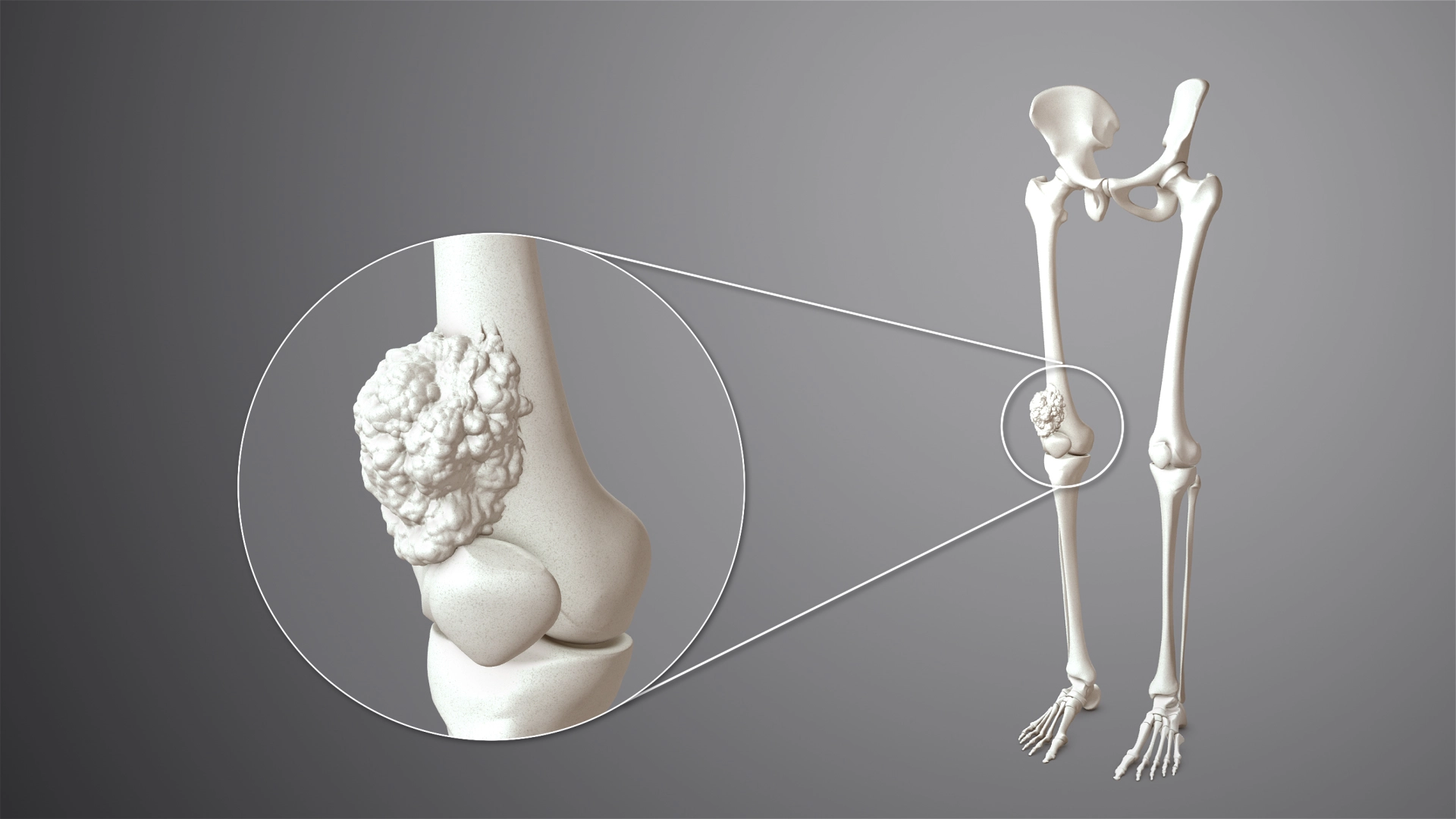
Sarcoma Cancer Treatment in Malakpet, Hyderabad
Sarcoma cancer is a rare type of cancer that develops in the connective tissues of the body, such as muscles, fat, blood vessels, nerves, bones, and cartilage. Sarcomas occur when abnormal cells in these tissues grow and multiply uncontrollably, forming a tumor. There are two main types of sarcoma: soft tissue sarcoma, which affects muscles, fat, and blood vessels, and bone sarcoma, which develops in the bones. Early diagnosis and proper treatment are important for improving survival rates and preventing the spread of the disease.
Radiation therapy is an important treatment option for sarcoma cancer. It uses high-energy radiation beams to destroy cancer cells, shrink tumors, and reduce the risk of cancer recurrence. Radiation therapy may be used before surgery to shrink the tumor or after surgery to eliminate any remaining cancer cells.
If you’re seeking Sarcoma Cancer Treatment in Malakpet, Hyderabad, radiation therapy can be a vital part of a comprehensive treatment plan designed to effectively target cancer cells while preserving surrounding healthy tissues.
Here’s an overview of radiation therapy for sarcoma cancer:
Radiation Therapy Purpose:
Radiation therapy is used to destroy sarcoma cancer cells and reduce the size of tumors. It may be used before surgery to shrink the tumor, after surgery to eliminate remaining cancer cells, or as a primary treatment when surgery is not possible.
Types of Radiation Therapy:
The most common type used for sarcoma treatment is External Beam Radiation Therapy (EBRT), where radiation is delivered from outside the body directly to the tumor. Advanced techniques such as Intensity-Modulated Radiation Therapy (IMRT) help deliver precise radiation doses while protecting surrounding healthy tissues.
Radiation Planning:
Before starting radiation therapy, doctors perform detailed planning using imaging tests such as CT scans, MRI scans, or PET scans. These tests help radiation oncologists determine the exact size and location of the tumor and design a personalized treatment plan.
Radiation Sessions:
Radiation therapy is typically delivered over several sessions across multiple weeks. Treatments are usually scheduled five days a week, and each session lasts only a few minutes. The procedure is painless and does not require hospitalization.
Side Effects:
Some patients may experience side effects such as fatigue, skin irritation in the treated area, swelling, or mild pain in the affected region. These side effects are generally temporary and improve after treatment is completed.
Long-Term Effects:
In some cases, long-term effects such as stiffness, tissue scarring, or weakness in the treated area may occur. Doctors monitor patients carefully and provide supportive treatments when needed.
Combination Therapy:
Radiation therapy is often combined with surgery or chemotherapy to improve treatment effectiveness. This combined approach helps destroy remaining cancer cells and lowers the risk of recurrence.
Follow-Up Care:
After completing radiation therapy, regular follow-up visits are essential. Doctors monitor recovery, check for signs of cancer recurrence, and perform imaging tests or physical examinations to ensure long-term health and well-being.