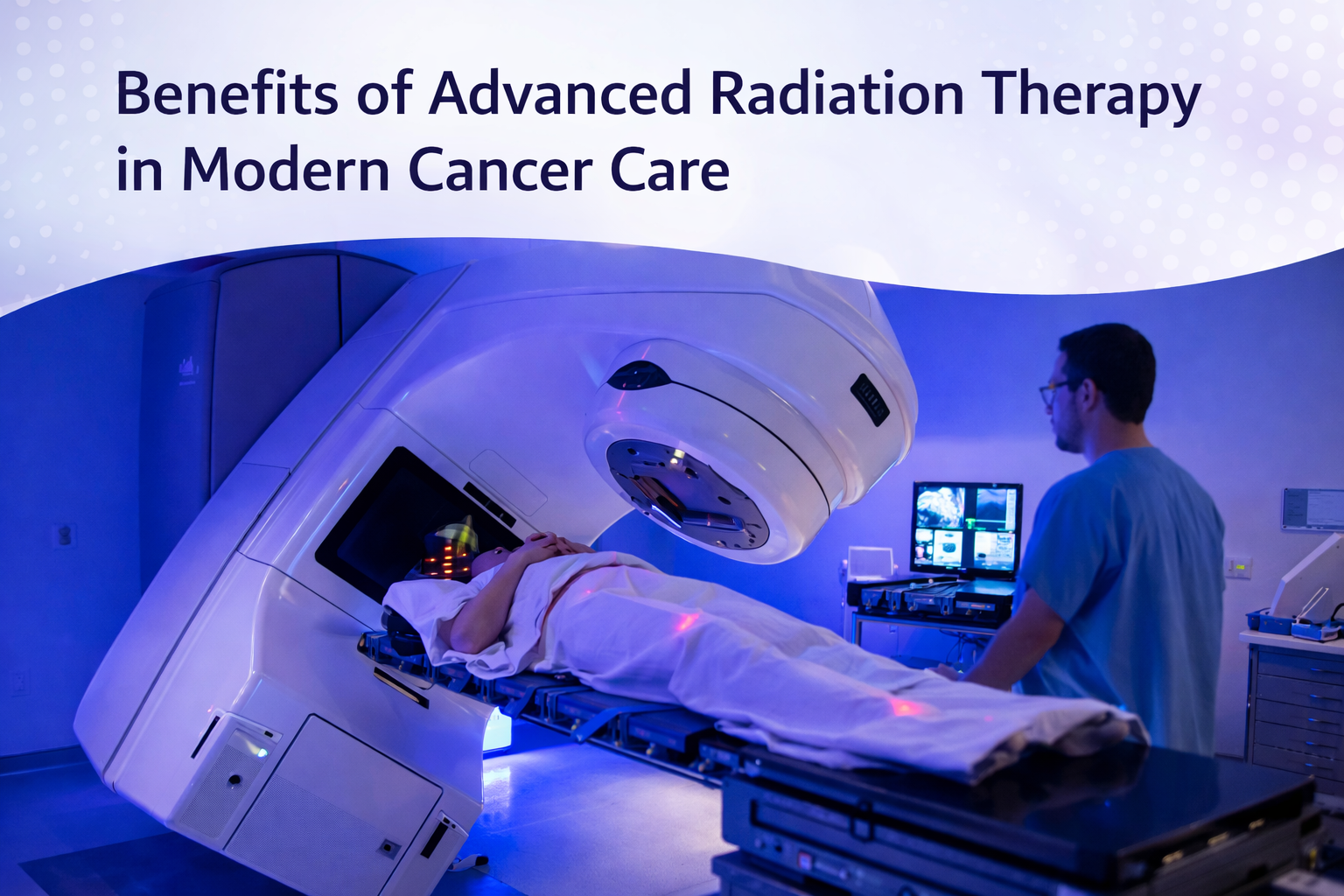
Cancer Treatment has evolved significantly over the last decade. Today, we no longer rely on a “one-size-fits-all” approach. Advanced radiation therapy has emerged as a cornerstone of modern oncology, offering hope and precision to patients who previously had limited options.
As a Radiation Oncologist in Hyderabad, I often encounter patients who are anxious about the word “radiation.” This guide is designed to simplify how these modern technologies work and why they are a game-changer in your recovery journey.
What makes modern radiation therapy different?
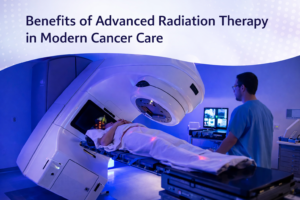
In the past, radiation was a broad beam that could affect both the tumor and the healthy tissue surrounding it. Today, we use Precision Radiation Therapy. Think of it like a sniper versus a broad-spectrum tool; we can now target the DNA of cancer cells with sub-millimeter accuracy.
Frequently Asked Questions
- How does radiation therapy actually “kill” cancer?
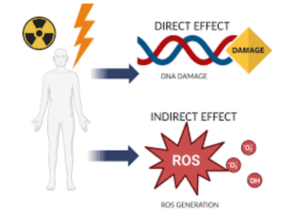
Advanced radiation uses high-energy beams (like X-rays or protons) to damage the DNA within cancer cells. Once the DNA is broken beyond repair, the cells stop dividing and eventually die. The body then naturally processes and removes these dead cells.
2. What are the main benefits of “Advanced” techniques like IMRT or IGRT?
- Superior Precision: Techniques like IMRT (Intensity-Modulated Radiation Therapy) allow us to shape the radiation beams to match the exact 3D shape of your tumor.
- Real-time Tracking: IGRT (Image-Guided Radiation Therapy) uses repeated scans during the session to account for natural body movements (like breathing), ensuring the beam stays on target.
- Reduced Side Effects: Because we protect the healthy organs nearby, patients experience much less fatigue, skin irritation, or organ-specific discomfort.
3. Is radiation therapy a “last resort”?
Absolutely not. It is often the primary treatment for many cancers, including prostate, head and neck, and cervical cancers. It can also be used as Adjuvant Therapy after surgery to “mop up” any microscopic cells left behind, significantly reducing the risk of recurrence.
4. Can radiation be used for symptom relief ?
Yes. In advanced stages, we use Palliative Radiation to shrink tumors that may be pressing on nerves or organs. This is incredibly effective for reducing pain, stopping bleeding, and improving the overall quality of life.
Why choose specialized care?
When looking for the Best Female Oncologist in Hyderabad, patients often seek a balance of technical expertise and empathetic communication. Advanced care is not just about the machines; it is about the meticulous planning—hours of “contouring”—that goes into ensuring every angle of the radiation beam is optimized for your specific anatomy.
Modern oncology is a collaborative effort. Whether it is managing breast cancer, gynecological malignancies, or brain tumors, the goal is to provide a “personal touch” that addresses not just the physical tumor, but also the emotional and nutritional needs of the patient.
Take the Next Step in Your Recovery
Early detection and precise intervention are your strongest allies against cancer. If you or a loved one needs a comprehensive evaluation, expert counseling, or a second opinion on radiation planning, my team is here to support you.
Contact Information: Dr. Nivalika Rajamoni (MBBS, DNB Radiation Oncology)
Phone: +91 7207897798
Website: www.drnivalikaoncologist.co.in