
Yashoda Hospitals
Malakpet
Dr. Kalyan's Speciality Clinic
Hasthinapuram
Call Us
+91-7207897798
+91-9392172078
Malakpet
Hasthinapuram
+91-7207897798
+91-9392172078
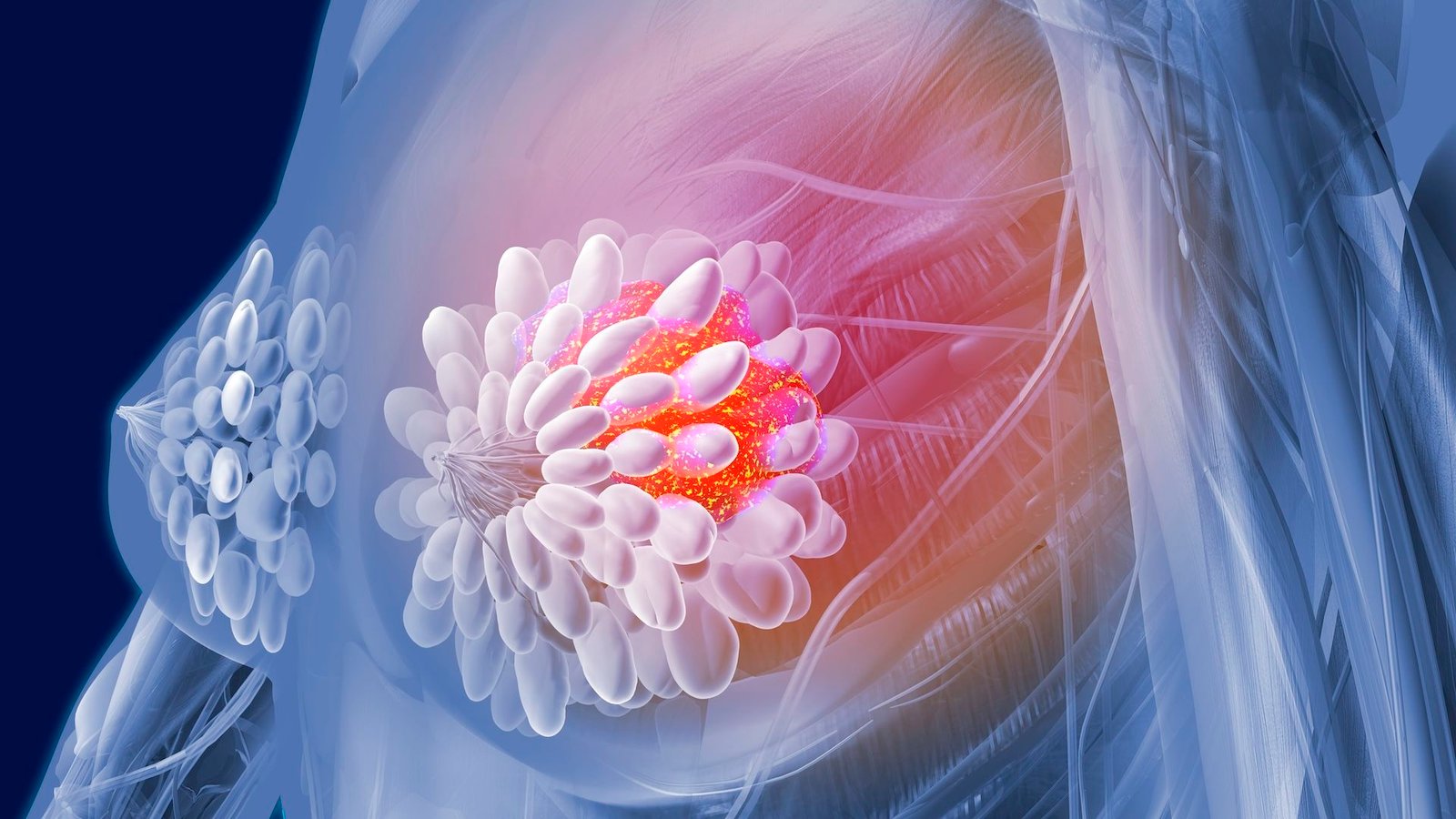
Breast cancer is one of the most common cancers affecting women worldwide, although it can also occur in men. It develops when abnormal cells in the breast grow uncontrollably and form a tumor. Breast cancer can begin in different parts of the breast, including the milk ducts, lobules, or surrounding tissues. When detected early, breast cancer is highly treatable, and advances in modern oncology have significantly improved survival rates and quality of life for patients. At Dr. R. Nivalika’s cancer care center, treatment is guided by a patient-centered approach that combines advanced medical expertise with compassionate support, ensuring that every individual receives personalized care throughout their journey.
The exact cause of breast cancer is not always known, but several factors can increase the risk of developing the disease. Genetic mutations, particularly those inherited through family history, can play an important role. Hormonal influences, increasing age, obesity, lack of physical activity, excessive alcohol consumption, and prolonged exposure to estrogen are also associated with a higher risk. Certain individuals may develop breast cancer without any identifiable risk factors, which is why regular screening and awareness remain essential. Understanding these risks can help patients make informed lifestyle choices and seek appropriate preventive care when necessary.
Breast cancer may present with a variety of symptoms, although some individuals experience no noticeable signs during the early stages. A new lump or thickening in the breast or underarm area is one of the most common symptoms. Changes in breast size, shape, or appearance, skin dimpling, redness, persistent breast pain, nipple inversion, or unusual nipple discharge may also occur. Some patients notice changes in the skin texture resembling an orange peel appearance. Because symptoms can vary from person to person, any unusual breast change should be evaluated by a healthcare professional without delay.
Accurate diagnosis is essential for developing an effective treatment plan. The diagnostic process typically begins with a detailed medical history and physical examination. Imaging studies such as mammography, ultrasound, and breast MRI help identify suspicious abnormalities and determine their extent. A biopsy is usually required to confirm the diagnosis by examining tissue samples under a microscope. Additional laboratory and imaging tests may be recommended to determine the cancer type, stage, and biological characteristics. These findings allow the oncology team to create a personalized treatment strategy tailored to the patient’s specific condition.
Breast cancer treatment depends on several factors, including the type and stage of cancer, tumor characteristics, overall health, and patient preferences. Surgery is often a key component of treatment and may involve removing the tumor while preserving the breast or performing a mastectomy when necessary. Radiation therapy is frequently used after surgery to destroy remaining cancer cells and reduce the risk of recurrence. Chemotherapy may be recommended to target cancer cells throughout the body, while hormone therapy can be effective for hormone receptor-positive breast cancers. Targeted therapy and immunotherapy have also transformed breast cancer care by offering highly specialized treatment approaches for selected patients. Dr. R. Nivalika carefully evaluates each case to ensure that patients receive the most appropriate and evidence-based treatment plan.
Recovery and long-term wellness are important aspects of breast cancer care. After treatment, patients require regular follow-up visits to monitor for recurrence, manage treatment-related side effects, and support overall health. Rehabilitation services, nutritional guidance, emotional counseling, and lifestyle modifications can play a significant role in improving quality of life. Survivorship care focuses on helping patients regain confidence, maintain physical well-being, and address any concerns that may arise after treatment. Continuous monitoring and supportive care ensure that patients receive ongoing attention beyond their active cancer treatment.
Breast cancer and its treatments can sometimes lead to complications that require careful management. Depending on the stage of the disease and treatment received, patients may experience fatigue, pain, lymphedema, hormonal changes, reduced bone health, or emotional distress. In advanced cases, cancer may spread to other parts of the body, affecting organs such as the bones, lungs, liver, or brain. Early diagnosis, timely treatment, and regular follow-up care can significantly reduce the risk of serious complications and improve long-term outcomes.
It is important to seek medical attention if you notice a breast lump, persistent breast pain, changes in breast shape or size, nipple discharge, skin changes, or any unusual breast-related symptoms. Individuals with a strong family history of breast cancer or known genetic risk factors should also discuss screening and preventive strategies with a specialist. Early consultation can lead to prompt diagnosis and more effective treatment. If you have concerns about your breast health, scheduling an evaluation with an experienced oncologist such as Dr. R. Nivalika can provide clarity, reassurance, and access to advanced cancer care.
Getting an accurate diagnosis can be one of the most impactful experiences that you can have.
Copyright © 2026 Dr. R. Nivalika, All rights reserved. Powered by PrigmaSoft Technologies
Getting an accurate diagnosis can be one of the most impactful experiences that you can have.
WhatsApp us