
Yashoda Hospitals
Malakpet
Dr. Kalyan's Speciality Clinic
Hasthinapuram
Call Us
+91-7207897798
+91-9392172078
Malakpet
Hasthinapuram
+91-7207897798
+91-9392172078
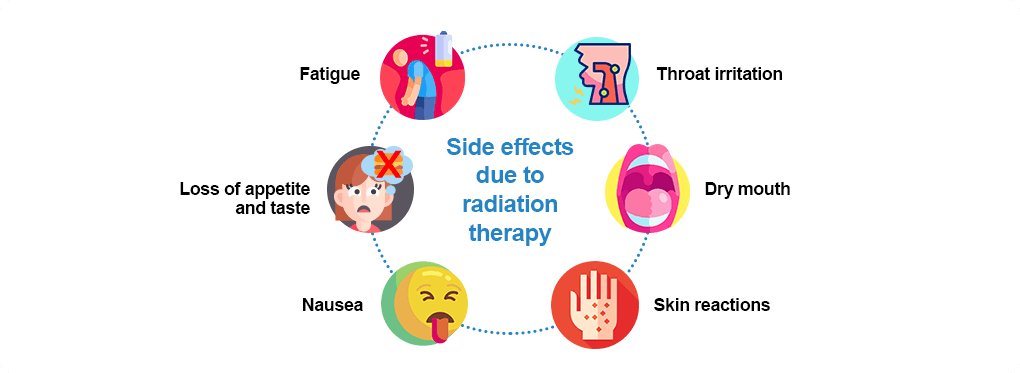
Radiation therapy is one of the most effective treatments for many types of cancer. While modern radiation techniques are designed to precisely target cancer cells and minimize exposure to healthy tissues, some patients may experience side effects during or after treatment. Radiation side-effect management focuses on preventing, monitoring, and treating these reactions to ensure that patients remain as comfortable, healthy, and active as possible throughout their cancer journey.
At Dr. R. Nivalika’s practice, supportive cancer care is an integral part of treatment. Every patient receives individualized guidance and care aimed at reducing treatment-related discomfort, improving quality of life, and helping them safely complete their prescribed radiation therapy. Effective side-effect management not only enhances patient well-being but also contributes to better treatment outcomes.
Radiation side effects occur because radiation treatment, while targeting cancer cells, can also affect nearby normal tissues. The type and severity of side effects depend on several factors, including the treatment area, radiation dose, duration of therapy, overall health of the patient, and whether radiation is combined with chemotherapy, immunotherapy, or surgery.
For example, patients receiving radiation to the head and neck region may experience mouth dryness or difficulty swallowing, while those undergoing treatment for breast, lung, pelvic, or abdominal cancers may develop symptoms specific to the organs being treated. Individual sensitivity to radiation and pre-existing medical conditions can also influence how the body responds to treatment.
Radiation-related side effects vary from person to person and may develop gradually during treatment or appear weeks to months after therapy. Common symptoms include fatigue, skin irritation, redness, dryness, itching, tenderness, and mild swelling in the treated area. Some patients may experience changes in appetite, nausea, diarrhea, urinary discomfort, or difficulty swallowing depending on the treatment site.
In certain cases, patients may notice hair loss in the treated region, changes in taste, mouth sores, cough, shortness of breath, or bowel and bladder changes. Most side effects are temporary and improve with appropriate supportive care, although some late effects may require long-term monitoring and management.
The diagnosis of radiation-related side effects is primarily based on a thorough clinical evaluation. During and after treatment, patients undergo regular assessments to monitor their physical condition, identify emerging symptoms, and evaluate the severity of any side effects. Detailed discussions regarding symptoms, treatment history, and overall health help guide appropriate interventions.
Additional investigations such as blood tests, imaging studies, endoscopic examinations, pulmonary function tests, or other specialized assessments may be recommended when necessary to determine the extent of tissue changes or rule out other medical conditions. Early recognition and timely intervention are essential for preventing complications and maintaining treatment continuity.
Radiation side-effect management involves a comprehensive and personalized approach tailored to each patient’s needs. Treatment may include medications to relieve pain, inflammation, nausea, diarrhea, infections, or other symptoms associated with radiation therapy. Specialized skin care protocols are often recommended to manage radiation dermatitis and protect sensitive skin.
Nutritional support plays a vital role, particularly for patients experiencing swallowing difficulties, appetite loss, or gastrointestinal symptoms. Physical therapy, speech and swallowing therapy, hydration support, and fatigue management strategies may also be incorporated into the care plan. In some situations, advanced supportive treatments and multidisciplinary interventions may be required to address more complex side effects.
Modern radiation oncology teams continuously monitor patients throughout treatment, allowing prompt adjustments and supportive measures that help minimize discomfort and maintain quality of life.
Supportive care continues even after radiation therapy is completed. Follow-up visits help monitor recovery, assess healing of affected tissues, and identify any delayed side effects that may develop over time. Patients are provided with guidance regarding nutrition, hydration, skin care, physical activity, and lifestyle modifications that promote recovery and overall well-being.
Many side effects gradually improve within weeks or months after treatment, but some patients may benefit from ongoing rehabilitation, symptom management, or specialist consultations. Long-term follow-up ensures that any persistent concerns are addressed promptly and effectively.
Although most radiation side effects are manageable, untreated or severe reactions can occasionally lead to complications. These may include significant skin damage, nutritional deficiencies, dehydration, chronic pain, tissue fibrosis, swallowing difficulties, bowel or bladder dysfunction, and reduced quality of life. Rarely, certain patients may experience long-term organ-specific effects depending on the area treated.
Careful monitoring, early intervention, and close communication with the radiation oncology team significantly reduce the risk of serious complications. Advances in radiation technology have also helped decrease the likelihood of many treatment-related side effects.
Patients should contact their healthcare provider if they experience worsening pain, severe fatigue, persistent nausea or vomiting, difficulty eating or drinking, significant weight loss, breathing difficulties, fever, severe skin reactions, bleeding, or any sudden change in symptoms during or after radiation therapy. Prompt medical attention can help prevent complications and ensure timely treatment.
Regular communication with the oncology team is essential throughout the treatment process. Seeking medical advice early allows symptoms to be managed effectively, helping patients remain comfortable and focused on their recovery while receiving the best possible cancer care.
Getting an accurate diagnosis can be one of the most impactful experiences that you can have.
Copyright © 2026 Dr. R. Nivalika, All rights reserved. Powered by PrigmaSoft Technologies
Getting an accurate diagnosis can be one of the most impactful experiences that you can have.
WhatsApp us