Yashoda Hospitals
Malakpet
Dr. Kalyan's Speciality Clinic
Hasthinapuram
Call Us
+91-7207897798
+91-9392172078
Malakpet
Hasthinapuram
+91-7207897798
+91-9392172078
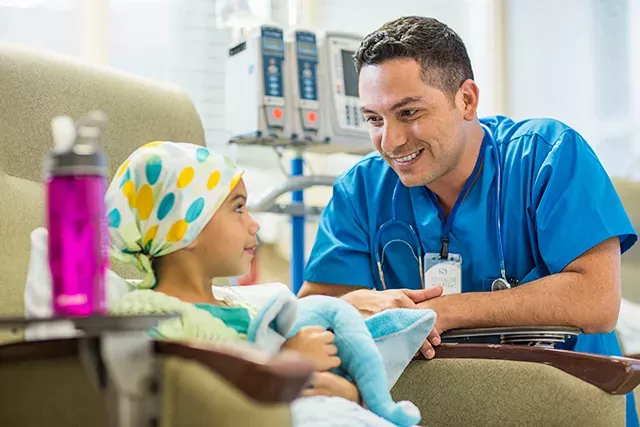
Pediatric cancers are cancers that occur in infants, children, and adolescents. Unlike many adult cancers, which are often linked to lifestyle and environmental factors, childhood cancers usually develop due to changes in the body’s cells that occur during growth and development. Although pediatric cancers are relatively rare, they remain one of the leading causes of serious illness in children. With advancements in pediatric oncology, many childhood cancers can now be treated successfully, especially when diagnosed early and managed by a specialized multidisciplinary team.
Common types of pediatric cancers include leukemia, brain and spinal cord tumors, lymphoma, neuroblastoma, Wilms tumor, bone cancers, and certain soft tissue sarcomas. Every child requires an individualized treatment approach that focuses not only on curing the disease but also on preserving growth, development, and quality of life.
The exact cause of most pediatric cancers remains unknown. In many cases, childhood cancers develop due to genetic mutations that occur randomly during cell growth and division. These mutations can cause cells to grow uncontrollably and form tumors or affect the normal production of blood cells.
A small percentage of pediatric cancers may be associated with inherited genetic conditions or family cancer syndromes. Certain congenital disorders, immune system abnormalities, and previous exposure to high-dose radiation may also increase the risk. However, it is important for parents to understand that childhood cancers are generally not caused by lifestyle choices, diet, or routine activities, and in most cases there is no identifiable reason why the disease develops.
The symptoms of pediatric cancers can vary depending on the type and location of the cancer. Many symptoms may initially resemble common childhood illnesses, making early recognition challenging. Persistent fatigue, unexplained fever, frequent infections, unusual bruising or bleeding, swollen lymph nodes, bone or joint pain, headaches, vomiting, vision changes, unexplained weight loss, or a noticeable lump or swelling should not be ignored.
Children with brain tumors may experience balance problems, seizures, or changes in behavior, while blood cancers such as leukemia may present with pallor, weakness, and recurrent infections. Any symptom that persists, worsens over time, or cannot be explained by common childhood conditions should be evaluated by a medical professional.
Diagnosing pediatric cancers requires a thorough evaluation by experienced specialists. The diagnostic process typically begins with a detailed medical history, physical examination, and assessment of symptoms. Blood tests may help identify abnormalities in blood cell counts and organ function.
Advanced imaging studies such as X-rays, ultrasound scans, CT scans, MRI scans, and PET scans are often used to determine the location and extent of the disease. In many cases, a biopsy is necessary to confirm the diagnosis and identify the specific cancer type. Additional tests, including bone marrow examination, genetic studies, and molecular profiling, may be recommended to guide treatment planning and improve treatment outcomes.
Treatment for pediatric cancers depends on the type of cancer, stage of disease, age of the child, and overall health condition. Modern pediatric cancer treatment focuses on achieving the best possible cure rates while minimizing long-term side effects.
Chemotherapy remains one of the most commonly used treatments for childhood cancers and may be given alone or in combination with other therapies. Surgery is often performed to remove tumors when feasible, while radiation therapy may be used to target cancer cells that cannot be completely removed surgically. Advanced treatment options such as targeted therapy, immunotherapy, stem cell transplantation, and precision medicine approaches are increasingly being incorporated into pediatric cancer care when appropriate.
A multidisciplinary team including pediatric oncologists, surgeons, radiation oncologists, nurses, nutritionists, psychologists, and rehabilitation specialists works together to provide comprehensive care tailored to each child’s unique needs.
Follow-up care is an essential part of pediatric cancer management. After completing treatment, children require regular monitoring to assess recovery, detect any signs of recurrence, and manage potential long-term effects of therapy. These follow-up visits may include physical examinations, blood tests, imaging studies, and developmental assessments.
Supportive care also focuses on nutrition, emotional well-being, academic reintegration, physical rehabilitation, and overall quality of life. Long-term survivorship programs help children and their families navigate health challenges that may arise years after treatment, ensuring continued growth and healthy development.
Pediatric cancers and their treatments can sometimes lead to complications that require careful monitoring. Depending on the type of cancer and treatment received, children may experience infections, anemia, bleeding tendencies, growth delays, hormonal imbalances, learning difficulties, fertility concerns, or organ-related side effects.
Some survivors may face an increased risk of secondary cancers or long-term health issues later in life. Regular follow-up with pediatric oncology specialists helps identify and address these complications early, allowing children to achieve the best possible long-term outcomes.
Parents should seek medical attention if a child experiences persistent symptoms that cannot be explained by routine illnesses. Unexplained fever, ongoing fatigue, recurrent infections, unusual bruising, persistent headaches, bone pain, unexplained weight loss, enlarged lymph nodes, or any abnormal lump should be evaluated promptly.
Early diagnosis plays a critical role in improving treatment success and reducing complications. If there are concerns about a child’s symptoms or overall health, consulting a pediatric oncology specialist can provide clarity, reassurance, and timely intervention when needed. Compassionate and expert care can make a significant difference in a child’s cancer journey and recovery.
Getting an accurate diagnosis can be one of the most impactful experiences that you can have.
Copyright © 2026 Dr. R. Nivalika, All rights reserved. Powered by PrigmaSoft Technologies
Getting an accurate diagnosis can be one of the most impactful experiences that you can have.
WhatsApp us