Yashoda Hospitals
Malakpet
Dr. Kalyan's Speciality Clinic
Hasthinapuram
Call Us
+91-7207897798
+91-9392172078
Malakpet
Hasthinapuram
+91-7207897798
+91-9392172078
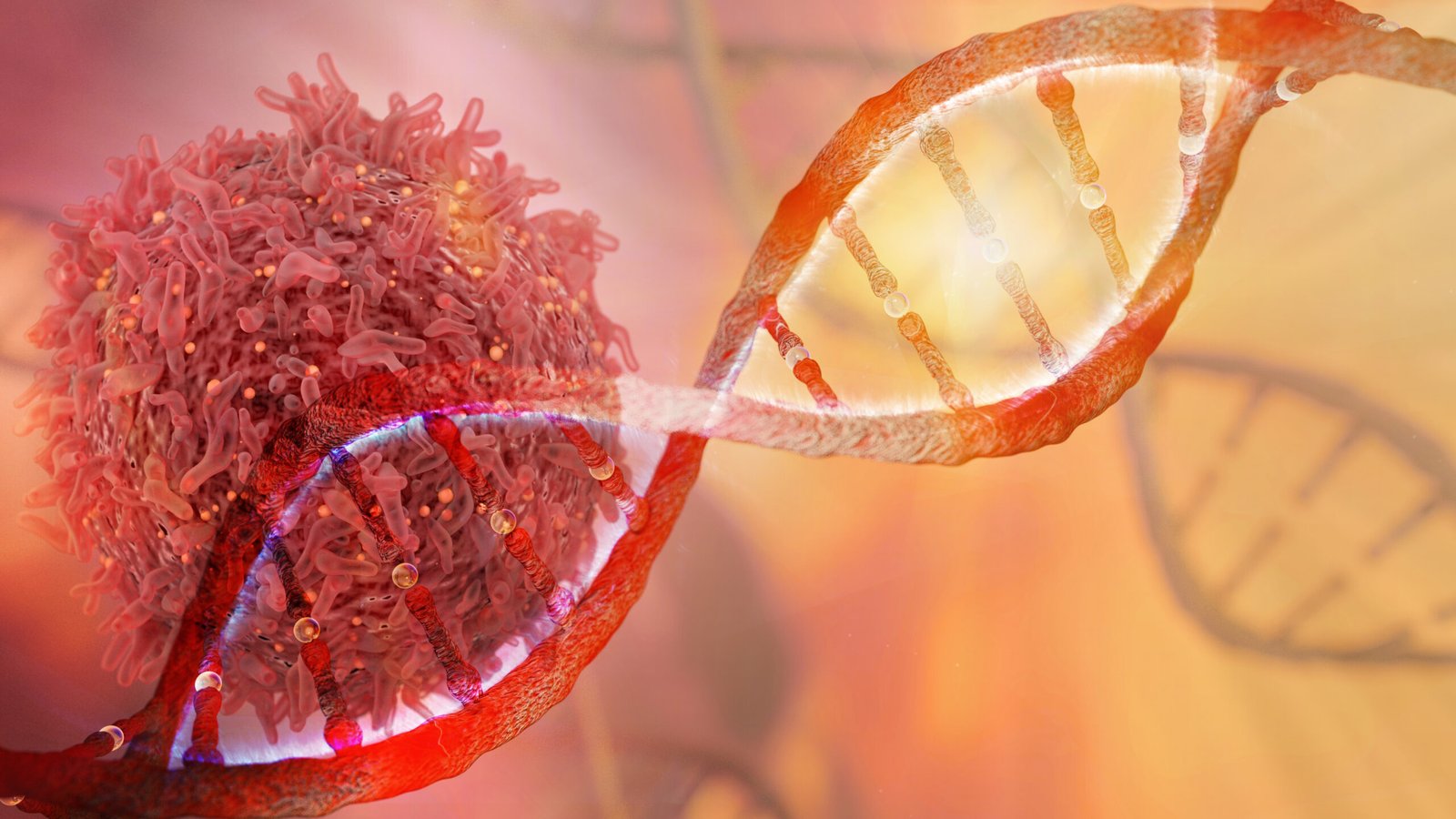
Skin cancer is one of the most common forms of cancer and develops when abnormal skin cells grow uncontrollably. It usually occurs in areas frequently exposed to sunlight, such as the face, scalp, neck, arms, and hands, although it can develop anywhere on the body. The major types of skin cancer include basal cell carcinoma, squamous cell carcinoma, and melanoma. While some skin cancers grow slowly and remain localized, others can spread to nearby tissues or distant organs if left untreated. Early detection and timely treatment play a crucial role in achieving excellent outcomes and preserving both health and appearance.
At Dr. R. Nivalika’s practice, patients receive compassionate, personalized care focused on accurate diagnosis, effective treatment, and long-term skin health. Every treatment plan is tailored to the individual’s condition, cancer type, stage, and overall well-being.
The primary cause of skin cancer is prolonged exposure to ultraviolet (UV) radiation from the sun or artificial sources such as tanning beds. UV radiation can damage the DNA within skin cells, leading to abnormal cell growth over time. Individuals with fair skin, light-colored eyes, a history of frequent sunburns, or excessive sun exposure are generally at higher risk.
Other contributing factors include a weakened immune system, exposure to certain chemicals, previous radiation therapy, chronic skin inflammation, and a personal or family history of skin cancer. Increasing age may also elevate the risk, although skin cancer can affect people of all age groups.
Skin cancer may appear as a new growth, a sore that does not heal, or a noticeable change in an existing mole or skin lesion. Patients may observe changes in size, shape, color, or texture of a mole, along with itching, tenderness, bleeding, or crusting. Some skin cancers present as shiny bumps, scaly patches, or firm red nodules that persist despite routine skin care.
Melanoma, the most aggressive form of skin cancer, often develops from changes in a mole and may display irregular borders, uneven coloration, or rapid enlargement. Any persistent or unusual skin change should be evaluated by a medical professional promptly.
The diagnosis of skin cancer begins with a thorough clinical examination of the skin and a detailed review of the patient’s medical history. Specialized tools such as dermoscopy may be used to closely examine suspicious lesions and identify features associated with skin cancer.
If cancer is suspected, a biopsy is performed to remove a sample or the entire lesion for microscopic examination. Pathology results help determine the exact type of skin cancer and its characteristics. In cases where there is concern about spread beyond the skin, imaging studies such as ultrasound, CT scans, MRI scans, or PET scans may be recommended to assess the extent of the disease and guide treatment planning.
Treatment for skin cancer depends on the type, size, location, and stage of the tumor, as well as the patient’s overall health. Surgical removal remains the most common and effective treatment for many skin cancers. The goal is to completely remove the cancer while preserving as much healthy tissue as possible.
For selected cases, minimally invasive treatments such as cryotherapy, topical medications, photodynamic therapy, or laser therapy may be appropriate. Radiation therapy may be recommended when surgery is not suitable or when additional treatment is needed after surgery. Advanced or metastatic skin cancers may require systemic therapies, including immunotherapy, targeted therapy, or chemotherapy.
Melanoma and high-risk skin cancers often require a multidisciplinary treatment approach involving surgical oncology, medical oncology, radiation oncology, and dermatology specialists to ensure comprehensive care and optimal outcomes.
Regular follow-up care is an essential part of skin cancer management. Even after successful treatment, patients may remain at risk for recurrence or the development of new skin cancers. Scheduled skin examinations help detect any changes at an early stage when treatment is most effective.
Patients are encouraged to practice sun-safe habits, including using broad-spectrum sunscreen, wearing protective clothing, avoiding excessive sun exposure, and performing routine self-examinations of the skin. Maintaining regular medical appointments allows ongoing monitoring and supports long-term skin health and cancer prevention.
If left untreated, skin cancer can continue to grow and invade surrounding tissues, leading to cosmetic and functional concerns. Certain aggressive cancers, particularly melanoma, can spread to lymph nodes and distant organs, making treatment more complex and potentially affecting survival outcomes.
Treatment-related complications vary depending on the chosen therapy and may include scarring, changes in skin appearance, temporary discomfort, infection, wound-healing issues, or side effects from radiation and systemic treatments. Careful treatment planning and ongoing follow-up help minimize these risks and support recovery.
Patients should seek medical attention if they notice a new skin growth, a mole that changes in appearance, a persistent sore that does not heal, or any lesion that bleeds, itches, or causes discomfort. Early evaluation is particularly important for individuals with significant sun exposure, a personal history of skin cancer, or a strong family history of the disease.
Prompt consultation with a cancer specialist can lead to early diagnosis and timely treatment, significantly improving outcomes. If you have concerns about any skin changes, seeking expert medical advice without delay can provide reassurance and ensure the best possible care.
Getting an accurate diagnosis can be one of the most impactful experiences that you can have.
Copyright © 2026 Dr. R. Nivalika, All rights reserved. Powered by PrigmaSoft Technologies
Getting an accurate diagnosis can be one of the most impactful experiences that you can have.
WhatsApp us