
Yashoda Hospitals
Malakpet
Dr. Kalyan's Speciality Clinic
Hasthinapuram
Call Us
+91-7207897798
+91-9392172078
Malakpet
Hasthinapuram
+91-7207897798
+91-9392172078
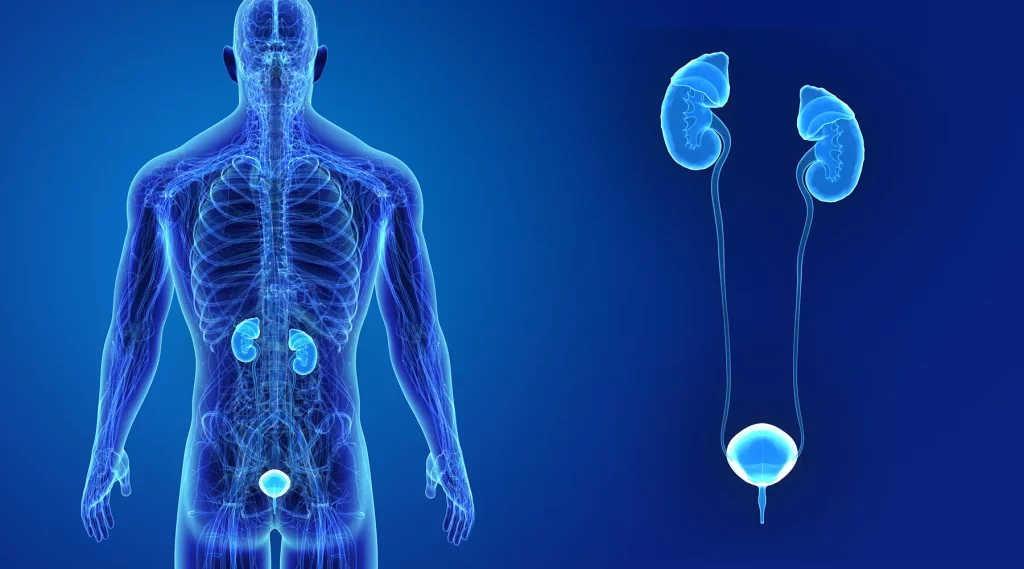
Urinary bladder and kidney cancers are among the most common cancers affecting the urinary system. The kidneys are responsible for filtering waste products and excess fluids from the blood, while the bladder stores urine before it leaves the body. Cancer can develop when abnormal cells grow uncontrollably within these organs. Kidney cancer most commonly arises from the lining of the small tubes within the kidney, while bladder cancer typically begins in the inner lining of the bladder.
Early detection plays a crucial role in successful treatment outcomes. Many patients can achieve excellent results when these cancers are diagnosed in their early stages and managed through a personalized treatment approach. Advances in cancer care, including minimally invasive surgery, targeted therapies, and immunotherapy, have significantly improved survival rates and quality of life for patients with urinary bladder and kidney cancers.
The exact cause of urinary bladder and kidney cancers is not always known; however, several factors are associated with an increased risk of developing these diseases. Smoking is one of the most significant risk factors, as harmful chemicals from tobacco can damage the cells lining the urinary tract. Long-term exposure to certain industrial chemicals, chronic bladder irritation, recurrent urinary infections, obesity, high blood pressure, and a family history of cancer may also contribute to the development of these conditions.
In kidney cancer, genetic factors and inherited syndromes can increase susceptibility in some individuals. Age is another important factor, as these cancers are more commonly diagnosed in older adults. Maintaining a healthy lifestyle and avoiding known risk factors may help reduce the likelihood of developing urinary system cancers.
The symptoms of urinary bladder and kidney cancers can vary depending on the size, location, and stage of the disease. One of the most common warning signs is blood in the urine, which may appear pink, red, or brown. Some patients may experience frequent urination, painful urination, or a persistent urge to urinate, particularly in bladder cancer.
Kidney cancer may cause pain in the side or lower back, a lump or swelling in the abdomen, unexplained weight loss, fatigue, loss of appetite, or persistent fever without infection. In some cases, early-stage cancers may not produce noticeable symptoms and are discovered incidentally during imaging studies performed for unrelated medical concerns.
Accurate diagnosis is essential for determining the extent of the disease and planning the most effective treatment strategy. The diagnostic process typically begins with a detailed medical history, physical examination, and laboratory tests, including urine analysis and blood investigations.
Imaging studies such as ultrasound, CT scans, MRI scans, and specialized urinary tract imaging help identify tumors and evaluate their spread. For bladder cancer, cystoscopy allows direct visualization of the bladder lining and enables tissue sampling. Biopsy remains the definitive method for confirming the diagnosis, as it allows microscopic examination of the abnormal tissue. Additional tests may be recommended to determine the cancer stage and guide treatment planning.
Treatment for urinary bladder and kidney cancers depends on several factors, including the type of cancer, its stage, overall health status, and individual patient needs. Surgery is often the primary treatment and may involve removing part or all of the affected kidney or bladder. Many procedures can now be performed using minimally invasive or robotic-assisted techniques, which may result in faster recovery and reduced postoperative discomfort.
For bladder cancer, treatment may include transurethral tumor removal, intravesical therapy, partial or radical cystectomy, chemotherapy, radiation therapy, immunotherapy, or a combination of these approaches. Kidney cancer treatment may involve partial nephrectomy, radical nephrectomy, targeted therapy, immunotherapy, or systemic treatments for advanced disease. A multidisciplinary approach ensures that each patient receives a personalized treatment plan designed to achieve the best possible outcomes while preserving quality of life.
Follow-up care is an important part of recovery after treatment for urinary bladder or kidney cancer. Regular medical evaluations help monitor healing, assess treatment effectiveness, and detect any signs of recurrence at an early stage. Follow-up appointments may include physical examinations, blood tests, urine tests, imaging studies, and periodic cystoscopy for bladder cancer patients.
Patients are encouraged to maintain a healthy lifestyle through balanced nutrition, regular physical activity, smoking cessation, and adequate hydration. Emotional support, rehabilitation services, and ongoing communication with the healthcare team can also play a valuable role in improving long-term well-being and recovery.
As with any cancer and its treatment, urinary bladder and kidney cancers may be associated with certain risks and complications. Untreated cancers can grow and spread to nearby tissues or distant organs, making treatment more challenging. Surgical procedures may carry risks such as bleeding, infection, urinary complications, or temporary changes in kidney function.
Some patients undergoing chemotherapy, immunotherapy, targeted therapy, or radiation therapy may experience side effects that require careful monitoring and management. The likelihood of complications varies depending on the stage of the disease, treatment type, and individual health factors. Close medical supervision helps minimize risks and supports optimal recovery.
It is important to seek medical attention if you notice blood in the urine, persistent urinary symptoms, unexplained back or flank pain, recurrent urinary tract infections, unexplained weight loss, fatigue, or any unusual changes in urinary habits. These symptoms do not always indicate cancer, but they should never be ignored.
Early consultation with a cancer specialist allows for timely evaluation, accurate diagnosis, and prompt treatment when necessary. If you have risk factors such as smoking, a family history of urinary tract cancers, or previous exposure to certain chemicals, regular health check-ups can help detect potential problems before they become more advanced. Early diagnosis remains one of the most effective ways to improve treatment success and long-term outcomes.
Getting an accurate diagnosis can be one of the most impactful experiences that you can have.
Copyright © 2026 Dr. R. Nivalika, All rights reserved. Powered by PrigmaSoft Technologies
Getting an accurate diagnosis can be one of the most impactful experiences that you can have.
WhatsApp us