
Yashoda Hospitals
Malakpet
Dr. Kalyan's Speciality Clinic
Hasthinapuram
Call Us
+91-7207897798
+91-9392172078
Malakpet
Hasthinapuram
+91-7207897798
+91-9392172078
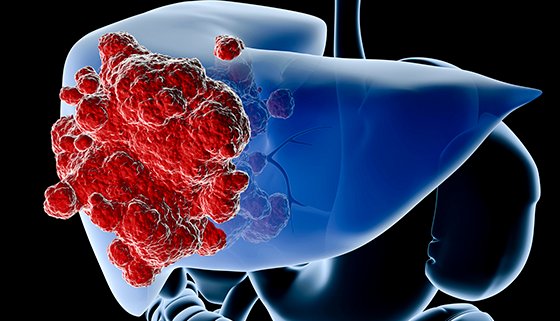
Liver cancer is a serious condition that develops when abnormal cells in the liver grow uncontrollably and form a tumor. The most common type is hepatocellular carcinoma (HCC), which originates in the main liver cells known as hepatocytes. The liver plays a vital role in filtering toxins, producing essential proteins, aiding digestion, and regulating metabolism. When cancer affects the liver, these critical functions can become compromised, impacting overall health and quality of life.
Early-stage liver cancer may not cause noticeable symptoms, which is why regular monitoring is especially important for individuals with chronic liver disease or other risk factors. Advances in cancer diagnosis and treatment have significantly improved outcomes, and many patients can benefit from personalized treatment plans designed to control the disease while preserving liver function.
Liver cancer often develops in individuals with long-standing liver damage. Chronic infections caused by hepatitis B or hepatitis C viruses are among the leading risk factors worldwide. Liver cirrhosis, which involves permanent scarring of liver tissue, significantly increases the likelihood of developing liver cancer. Cirrhosis may result from chronic viral hepatitis, excessive alcohol consumption, or non-alcoholic fatty liver disease.
Other contributing factors include obesity, diabetes, inherited liver disorders, prolonged exposure to certain toxins such as aflatoxins, and smoking. While not everyone with these risk factors develops liver cancer, regular screening and medical evaluation can help identify changes in the liver at an early and more treatable stage.
The symptoms of liver cancer can vary depending on the size and location of the tumor as well as the overall health of the liver. In the early stages, patients may experience no symptoms at all. As the disease progresses, common symptoms may include unexplained weight loss, persistent fatigue, loss of appetite, nausea, abdominal discomfort, or a feeling of fullness after eating small amounts of food.
Some individuals may notice pain or swelling in the upper right side of the abdomen, jaundice causing yellowing of the skin and eyes, dark-colored urine, or fluid accumulation in the abdomen. Since these symptoms can also occur in other liver conditions, prompt medical evaluation is important for accurate diagnosis and timely treatment.
Diagnosing liver cancer involves a combination of clinical assessment, imaging studies, laboratory tests, and sometimes tissue analysis. A detailed medical history and physical examination help identify potential risk factors and symptoms. Blood tests, including liver function tests and tumor markers such as alpha-fetoprotein (AFP), may provide important diagnostic information.
Advanced imaging techniques such as ultrasound, CT scans, MRI scans, and PET imaging allow specialists to evaluate the liver in detail and determine the size, location, and extent of the tumor. In certain situations, a biopsy may be recommended to confirm the diagnosis and guide treatment planning. Accurate staging of the disease is essential for selecting the most effective treatment approach.
The treatment of liver cancer depends on several factors, including the stage of the cancer, liver function, overall health, and individual patient needs. Surgery may be considered for patients with localized tumors and adequate liver function. In selected cases, liver transplantation offers the opportunity to remove both the tumor and the diseased liver, providing a potential cure.
Minimally invasive procedures such as radiofrequency ablation, microwave ablation, transarterial chemoembolization (TACE), and radioembolization can effectively target cancer cells while preserving healthy liver tissue. Radiation therapy may be used to destroy cancer cells or relieve symptoms in advanced cases. Systemic treatments, including targeted therapy, immunotherapy, and chemotherapy, may be recommended for cancers that have spread beyond the liver or cannot be treated surgically.
At every stage, treatment decisions are carefully tailored to the individual patient, ensuring a balance between cancer control, quality of life, and preservation of liver function.
Follow-up care is an important part of liver cancer management. Even after successful treatment, regular monitoring is necessary to detect any recurrence or new liver-related complications. Follow-up visits typically include physical examinations, blood tests, and imaging studies performed at scheduled intervals.
Patients are encouraged to maintain a healthy lifestyle, avoid alcohol, manage underlying liver conditions, and follow nutritional recommendations that support liver health. Emotional well-being is equally important, and access to counseling, support groups, and rehabilitation services can help patients and families navigate recovery with confidence and peace of mind.
Like all cancers, liver cancer can lead to complications if not diagnosed and treated promptly. Progressive tumor growth may impair liver function, resulting in jaundice, fluid accumulation, bleeding disorders, and increased susceptibility to infections. In advanced stages, cancer may spread to nearby structures or distant organs.
Treatment-related risks vary depending on the chosen therapy and may include bleeding, infection, temporary fatigue, changes in liver function, or other procedure-specific complications. Careful monitoring by an experienced oncology team helps minimize these risks and ensures that any concerns are addressed promptly and effectively.
It is important to seek medical attention if you experience persistent abdominal pain, unexplained weight loss, loss of appetite, prolonged fatigue, jaundice, abdominal swelling, or any unusual symptoms that do not improve. Individuals with chronic hepatitis, cirrhosis, fatty liver disease, or a family history of liver cancer should undergo regular screening as advised by their healthcare provider.
Early detection plays a crucial role in improving treatment outcomes and expanding available treatment options. If you have concerns about your liver health or are experiencing symptoms suggestive of liver disease, consulting a cancer specialist at the earliest opportunity can help ensure timely diagnosis and appropriate care.
Getting an accurate diagnosis can be one of the most impactful experiences that you can have.
Copyright © 2026 Dr. R. Nivalika, All rights reserved. Powered by PrigmaSoft Technologies
Getting an accurate diagnosis can be one of the most impactful experiences that you can have.
WhatsApp us