
Yashoda Hospitals
Malakpet
Dr. Kalyan's Speciality Clinic
Hasthinapuram
Call Us
+91-7207897798
+91-9392172078
Malakpet
Hasthinapuram
+91-7207897798
+91-9392172078
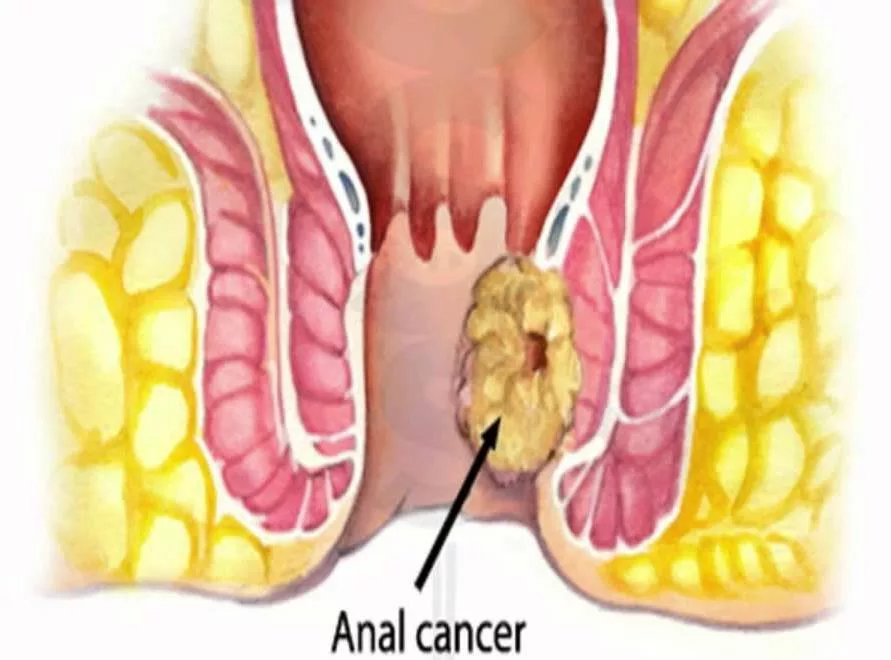
Anal canal cancer is a relatively uncommon type of cancer that develops in the anal canal, the short passage connecting the rectum to the outside of the body. The disease occurs when abnormal cells in the lining of the anal canal begin to grow uncontrollably and form a tumor. Although anal canal cancer is less common than colorectal cancers, early diagnosis and appropriate treatment can significantly improve outcomes. Advances in cancer care have made it possible to achieve excellent disease control while preserving quality of life for many patients. At our cancer care center, we focus on personalized treatment plans designed to address the specific needs of each individual while providing compassionate support throughout the treatment journey.
The exact cause of anal canal cancer is not always known, but several factors can increase the risk of developing the disease. Persistent infection with the human papillomavirus (HPV) is considered the most significant risk factor. Other contributing factors may include smoking, a weakened immune system, a history of certain sexually transmitted infections, chronic inflammation of the anal region, and previous cancers involving the genital or lower digestive tract. While having one or more risk factors does not guarantee the development of cancer, understanding these factors can help with prevention, early detection, and timely medical evaluation.
Anal canal cancer may initially cause symptoms that resemble common benign conditions such as hemorrhoids, which can sometimes delay diagnosis. Patients may experience rectal bleeding, pain or discomfort in the anal region, itching, a sensation of fullness, or the presence of a lump near the anus. Changes in bowel habits, abnormal discharge, or difficulty controlling bowel movements may also occur. Some individuals may notice enlarged lymph nodes in the groin area. Because these symptoms can be associated with several other conditions, persistent or worsening symptoms should always be evaluated by a healthcare professional.
Diagnosing anal canal cancer begins with a detailed medical history and physical examination. The doctor may perform a digital rectal examination and visual inspection of the anal region to identify any abnormalities. Additional diagnostic tests may include anoscopy, proctoscopy, or colonoscopy to examine the anal canal and rectum more closely. A biopsy is essential to confirm the diagnosis and determine the type of cancer present. Imaging studies such as CT scans, MRI scans, PET scans, or ultrasound may be recommended to assess the extent of the disease and determine whether it has spread to nearby tissues or lymph nodes. Accurate staging plays a crucial role in selecting the most effective treatment approach.
Treatment for anal canal cancer depends on the stage of the disease, tumor size, overall health of the patient, and individual treatment goals. In many cases, a combination of chemotherapy and radiation therapy serves as the primary treatment and can effectively eliminate cancer while preserving normal anal function. Radiation therapy targets cancer cells with precision, while chemotherapy enhances the effectiveness of radiation and helps control disease spread.
Surgery may be considered for selected patients, particularly when cancer does not respond completely to initial treatment or when recurrence occurs. Surgical procedures are tailored to the extent of the disease and may range from local tumor removal to more extensive operations when necessary. In advanced or metastatic cases, systemic therapies such as targeted therapy, immunotherapy, or additional chemotherapy may be recommended. A multidisciplinary cancer care team works closely to develop a personalized treatment plan that offers the best possible outcomes.
Recovery and long-term follow-up are important components of anal canal cancer treatment. Regular follow-up appointments allow doctors to monitor healing, assess treatment response, and detect any signs of recurrence at an early stage. Patients may undergo periodic physical examinations, imaging studies, and other evaluations as needed. Nutritional guidance, symptom management, emotional support, and rehabilitation services can help improve overall well-being during recovery. Maintaining a healthy lifestyle, avoiding tobacco use, and following medical recommendations can contribute to better long-term health outcomes.
Like all cancers and cancer treatments, anal canal cancer may be associated with certain risks and complications. If left untreated, the disease can grow locally and spread to nearby lymph nodes or distant organs. Treatment-related side effects may include skin irritation, fatigue, bowel changes, urinary symptoms, discomfort in the treated area, or temporary changes in daily activities. In some cases, long-term effects on bowel function or quality of life may occur. Careful treatment planning and ongoing supportive care help minimize these risks and improve patient comfort throughout the treatment process.
It is important to seek medical attention if you experience persistent rectal bleeding, anal pain, itching, a lump near the anus, unexplained changes in bowel habits, or any unusual symptoms affecting the anal or rectal region. Early evaluation can help identify the underlying cause and allow timely treatment if cancer is present. Individuals with known risk factors, including HPV infection or a weakened immune system, should be particularly attentive to symptoms and attend regular medical check-ups. Early diagnosis remains one of the most important factors in achieving successful treatment outcomes and improving quality of life.
Getting an accurate diagnosis can be one of the most impactful experiences that you can have.
Copyright © 2026 Dr. R. Nivalika, All rights reserved. Powered by PrigmaSoft Technologies
Getting an accurate diagnosis can be one of the most impactful experiences that you can have.
WhatsApp us