
Yashoda Hospitals
Malakpet
Dr. Kalyan's Speciality Clinic
Hasthinapuram
Call Us
+91-7207897798
+91-9392172078
Malakpet
Hasthinapuram
+91-7207897798
+91-9392172078
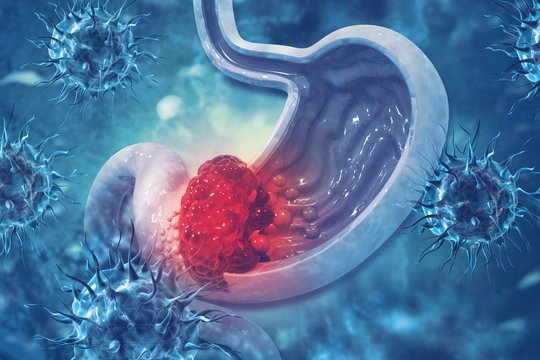
Stomach cancer, also known as gastric cancer, develops when abnormal cells in the lining of the stomach grow uncontrollably and form a tumor. The stomach plays an essential role in digestion, and cancer affecting this organ can interfere with normal digestive functions. Stomach cancer often develops gradually over many years and may not cause noticeable symptoms in its early stages. Because of this, many patients are diagnosed when the disease has already progressed. Early detection, accurate diagnosis, and timely treatment significantly improve outcomes. At our cancer care center, we focus on providing personalized and compassionate care using advanced diagnostic and treatment approaches tailored to each patient’s condition.
The exact cause of stomach cancer is not always known, but several factors can increase the risk of developing the disease. Long-term infection with Helicobacter pylori (H. pylori) bacteria is one of the most common risk factors. Chronic inflammation of the stomach lining, a family history of gastric cancer, smoking, excessive alcohol consumption, obesity, and diets high in smoked, salted, or processed foods may also contribute to the development of stomach cancer. Certain inherited genetic conditions and previous stomach surgeries can further increase the risk. Understanding these risk factors can help individuals take preventive measures and seek medical evaluation when necessary.
The symptoms of stomach cancer can vary depending on the stage and location of the tumor. In the early stages, symptoms may be mild and easily mistaken for common digestive problems. Patients may experience persistent indigestion, heartburn, bloating after meals, loss of appetite, nausea, or a feeling of fullness after eating small amounts of food. As the cancer progresses, symptoms may become more noticeable and include unexplained weight loss, persistent stomach pain, difficulty swallowing, fatigue, vomiting, or the presence of blood in the stool or vomit. Any ongoing digestive symptoms that do not improve should be evaluated by a healthcare professional.
Diagnosing stomach cancer involves a thorough assessment of symptoms, medical history, and diagnostic testing. Upper gastrointestinal endoscopy is one of the most important tools used to examine the inside of the stomach and obtain tissue samples for biopsy. A biopsy helps confirm the presence of cancer cells and determine the type of cancer. Additional imaging studies such as CT scans, PET scans, MRI scans, and endoscopic ultrasound may be performed to evaluate the extent of the disease and determine whether it has spread to nearby tissues or other organs. Accurate staging is essential for creating the most effective treatment plan.
Treatment for stomach cancer depends on several factors, including the stage of the disease, tumor location, overall health of the patient, and individual treatment goals. Surgery is often the primary treatment for localized stomach cancer and may involve removing part or all of the stomach along with nearby lymph nodes. Chemotherapy is commonly used before surgery to shrink tumors or after surgery to reduce the risk of recurrence. Radiation therapy may be recommended in selected cases to target cancer cells and improve local disease control. Targeted therapy and immunotherapy have also emerged as important treatment options for certain patients, offering more precise approaches based on the biological characteristics of the tumor. A multidisciplinary team works together to ensure each patient receives the most appropriate and effective care.
Recovery and long-term follow-up are important components of stomach cancer care. After treatment, patients may require nutritional guidance to adapt to changes in digestion and maintain a healthy weight. Regular follow-up appointments help monitor recovery, manage any treatment-related side effects, and detect any signs of recurrence at an early stage. Physical activity, balanced nutrition, emotional support, and adherence to medical recommendations can contribute significantly to overall well-being and quality of life. Ongoing surveillance allows healthcare providers to address concerns promptly and support patients throughout their recovery journey.
Stomach cancer itself and its treatments can sometimes lead to complications. These may include bleeding, obstruction of food passage, nutritional deficiencies, weight loss, anemia, or difficulty eating and digesting food properly. Surgical procedures may be associated with risks such as infection, leakage at surgical connections, or digestive changes that require long-term dietary adjustments. Chemotherapy and radiation therapy can cause side effects including fatigue, nausea, appetite changes, and lowered immunity. Careful monitoring and supportive care help manage these complications effectively and improve patient comfort during treatment and recovery.
It is important to seek medical attention if you experience persistent digestive symptoms that do not improve, unexplained weight loss, ongoing stomach discomfort, difficulty swallowing, frequent vomiting, or signs of gastrointestinal bleeding. Individuals with a family history of stomach cancer or known risk factors should discuss appropriate screening and preventive strategies with their healthcare provider. Early evaluation and timely diagnosis can make a significant difference in treatment success and overall outcomes. If you have concerns about your symptoms, consulting a cancer specialist promptly can help ensure the best possible care and peace of mind.
Getting an accurate diagnosis can be one of the most impactful experiences that you can have.
Copyright © 2026 Dr. R. Nivalika, All rights reserved. Powered by PrigmaSoft Technologies
Getting an accurate diagnosis can be one of the most impactful experiences that you can have.
WhatsApp us