Yashoda Hospitals
Malakpet
Dr. Kalyan's Speciality Clinic
Hasthinapuram
Call Us
+91-7207897798
+91-9392172078
Malakpet
Hasthinapuram
+91-7207897798
+91-9392172078
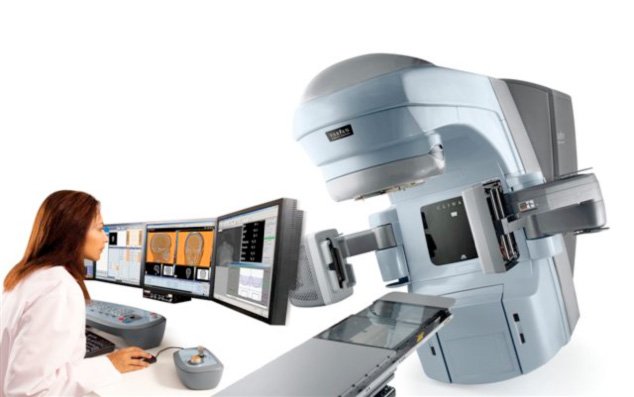
Stereotactic Radiosurgery (SRS) and Stereotactic Radiotherapy (SRT) are highly advanced radiation treatment techniques used to treat brain tumors and certain abnormalities within the brain with exceptional precision. Despite the term “surgery” in its name, SRS is a non-invasive procedure that does not involve any surgical incisions. Instead, it delivers highly focused radiation beams directly to the tumor while minimizing exposure to the surrounding healthy brain tissue. SRS is typically delivered in a single session, whereas SRT involves multiple treatment sessions when a larger tumor or a tumor located near critical structures requires a more gradual approach.
These advanced techniques have transformed the treatment of both cancerous and non-cancerous brain tumors by offering effective tumor control with fewer side effects compared to conventional radiation therapy. SRS and SRT are commonly used for primary brain tumors, metastatic brain lesions, recurrent tumors, and selected neurological conditions. At Dr. R. Nivalika’s oncology practice, treatment plans are carefully customized to ensure the highest level of safety, precision, and patient comfort.
Brain tumors can develop due to abnormal growth of cells within the brain or surrounding tissues. While the exact cause of many brain tumors remains unknown, several factors may increase the risk. Genetic conditions, family history of certain cancers, exposure to high levels of radiation, and age-related cellular changes may contribute to tumor development. Some brain tumors originate in the brain itself, while others occur when cancer from another part of the body spreads to the brain, known as brain metastasis.
Although SRS and SRT do not address the underlying cause of the tumor, they play a crucial role in controlling tumor growth, reducing symptoms, and improving quality of life for patients diagnosed with brain tumors.
The symptoms of a brain tumor vary depending on its size, location, and growth rate. Patients may experience persistent headaches, seizures, dizziness, nausea, vomiting, blurred vision, hearing difficulties, balance problems, weakness in the arms or legs, memory changes, or alterations in speech and behavior. Some individuals may develop symptoms gradually over time, while others may experience sudden neurological changes that require urgent medical attention.
Because these symptoms can also be associated with other neurological conditions, a thorough evaluation by a specialist is essential for accurate diagnosis and timely treatment.
Diagnosing a brain tumor involves a detailed medical assessment and advanced imaging studies. Magnetic Resonance Imaging (MRI) is the primary imaging tool used to evaluate brain tumors, providing detailed images of the tumor’s size, location, and relationship to nearby structures. In some cases, Computed Tomography (CT) scans, functional imaging studies, or specialized MRI techniques may be recommended to obtain additional information.
A biopsy may be performed when tissue confirmation is required. Once the diagnosis is established, a multidisciplinary team reviews the imaging findings and clinical information to determine whether SRS or SRT is the most appropriate treatment option. Careful treatment planning ensures precise targeting of the tumor while protecting healthy brain tissue.
SRS and SRT are among the most sophisticated treatment options available for brain tumors. During treatment, advanced imaging and computer-guided technology are used to deliver highly concentrated radiation beams directly to the tumor. This precision allows oncologists to administer an effective radiation dose while minimizing damage to surrounding healthy structures.
SRS is generally recommended for smaller tumors or lesions that can be treated in a single session. SRT, on the other hand, delivers radiation over several sessions and is often preferred for larger tumors, tumors located close to critical areas of the brain, or situations where fractionated treatment provides greater safety. Depending on the type and stage of the tumor, SRS or SRT may be used alone or in combination with surgery, chemotherapy, targeted therapy, or immunotherapy. The treatment approach is individualized based on each patient’s diagnosis, overall health, and treatment goals.
Following SRS or SRT, most patients can return to their normal daily activities relatively quickly. Regular follow-up appointments are essential to monitor treatment response and detect any changes in the tumor over time. Periodic MRI scans are typically performed to assess tumor control and evaluate the health of surrounding brain tissue.
Some patients may experience temporary fatigue, mild headaches, or localized swelling after treatment. Medications such as corticosteroids may be prescribed when necessary to reduce inflammation and improve comfort. Ongoing communication with the oncology team helps ensure optimal recovery and long-term management of the condition.
SRS and SRT are generally considered safe and well-tolerated treatment options, but like all medical procedures, they carry certain risks. Potential side effects may include fatigue, headaches, nausea, temporary neurological symptoms, or swelling within the treated area. In rare cases, radiation-induced tissue changes or delayed neurological complications may occur.
The likelihood of complications depends on factors such as tumor size, location, radiation dose, and the patient’s overall health. Modern treatment planning techniques significantly reduce these risks by precisely targeting the tumor and limiting radiation exposure to healthy brain structures.
Patients should seek medical attention if they experience persistent headaches, unexplained seizures, sudden weakness, changes in vision, difficulty speaking, balance problems, memory disturbances, or any new neurological symptoms. Individuals who have been previously diagnosed with a brain tumor should also consult their doctor if symptoms worsen or new concerns arise during or after treatment.
Early evaluation and timely intervention can make a significant difference in treatment outcomes. Consulting an experienced radiation oncologist can help determine whether SRS or SRT is an appropriate option and ensure access to the most advanced and effective care available for brain tumors.
Getting an accurate diagnosis can be one of the most impactful experiences that you can have.
Copyright © 2026 Dr. R. Nivalika, All rights reserved. Powered by PrigmaSoft Technologies
Getting an accurate diagnosis can be one of the most impactful experiences that you can have.
WhatsApp us