
Yashoda Hospitals
Malakpet
Dr. Kalyan's Speciality Clinic
Hasthinapuram
Call Us
+91-7207897798
+91-9392172078
Malakpet
Hasthinapuram
+91-7207897798
+91-9392172078
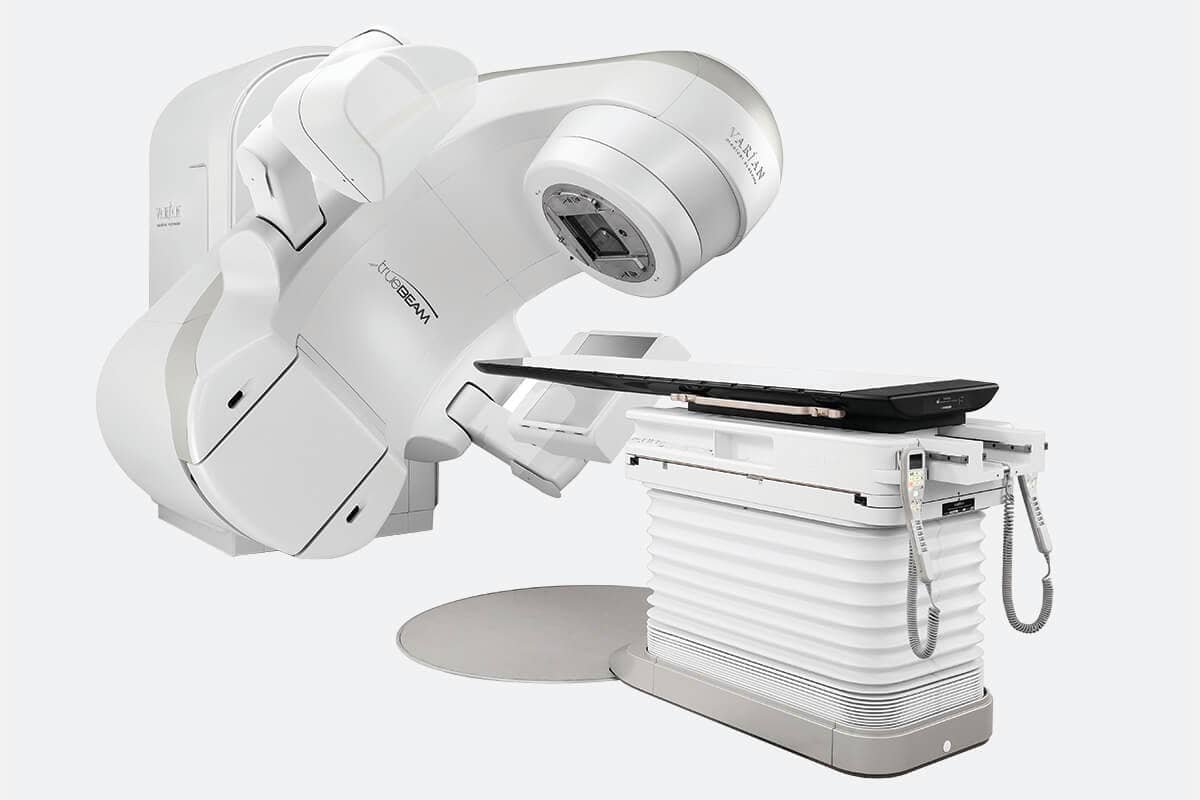
IMRT (Intensity Modulated Radiation Therapy) is an advanced form of radiation treatment used to target cancer cells with exceptional precision while minimizing exposure to surrounding healthy tissues. This sophisticated technique uses computer-controlled radiation beams that can be adjusted in intensity and shape to match the exact contours of a tumor. By delivering highly focused radiation doses, IMRT helps improve treatment effectiveness while reducing the risk of damage to nearby organs and structures. It is commonly used in the treatment of cancers of the head and neck, prostate, breast, lung, brain, gastrointestinal tract, and several other areas of the body. At Dr. R. Nivalika’s oncology practice, IMRT is utilized as part of a personalized cancer care approach designed to achieve the best possible outcomes while maintaining quality of life.
IMRT itself is not used to treat a specific cause but rather a wide range of cancers that may develop due to various factors. Cancer can arise from genetic mutations, inherited conditions, tobacco use, excessive alcohol consumption, environmental exposures, chronic infections, hormonal influences, unhealthy lifestyle habits, or advancing age. In many cases, the exact cause of cancer may not be clearly identified. When cancer is diagnosed and radiation therapy is recommended, IMRT may be selected because of its ability to deliver precise treatment to complex tumor locations while protecting surrounding healthy tissues.
The symptoms that lead to the use of IMRT depend on the type, size, and location of the cancer being treated. Patients with head and neck cancers may experience difficulty swallowing, persistent sore throat, hoarseness, or neck swelling. Prostate cancer may cause urinary difficulties, while lung cancer can present with chronic cough, shortness of breath, or chest discomfort. Brain tumors may lead to headaches, vision changes, or neurological symptoms. Since cancer symptoms vary significantly among individuals, any persistent, unexplained, or worsening symptoms should be evaluated by a qualified oncologist to determine the underlying cause and appropriate treatment plan.
Before IMRT treatment is planned, a thorough diagnostic evaluation is performed to accurately identify the cancer and determine its stage. This typically includes a detailed medical history, physical examination, imaging studies such as CT scans, MRI scans, PET scans, and tissue biopsy for confirmation of the diagnosis. Once radiation therapy is recommended, specialized planning scans are conducted to map the exact location, size, and shape of the tumor. Advanced treatment planning software is then used to design customized radiation beams that deliver optimal doses to cancer cells while minimizing exposure to healthy tissues.
IMRT is often incorporated into a comprehensive cancer treatment strategy tailored to each patient’s condition. Depending on the type and stage of cancer, it may be used as the primary treatment, combined with chemotherapy, administered before surgery to shrink tumors, or used after surgery to reduce the risk of recurrence. During treatment, patients typically receive multiple sessions over several weeks, with each session lasting only a short period. The precision of IMRT allows higher radiation doses to be delivered directly to tumors while significantly reducing radiation exposure to nearby critical organs. This approach can improve tumor control rates and reduce treatment-related side effects compared to conventional radiation therapy techniques.
Care following IMRT is an important part of the recovery process. Patients are monitored regularly to assess treatment response, manage any side effects, and detect any signs of recurrence. Follow-up visits may include physical examinations, imaging studies, and laboratory tests as needed. Maintaining a nutritious diet, staying well-hydrated, getting adequate rest, and following the oncologist’s recommendations can support recovery and overall well-being. Some patients may require rehabilitation services, nutritional counseling, or supportive therapies to address specific treatment-related concerns and improve quality of life.
Although IMRT is designed to minimize side effects by protecting healthy tissues, some patients may still experience temporary or long-term complications depending on the treatment area and radiation dose. Common side effects may include fatigue, skin irritation, localized swelling, dryness, soreness, or changes in appetite. In certain cases, patients may experience organ-specific effects such as difficulty swallowing, bowel changes, urinary symptoms, or mild tissue fibrosis. Most side effects are manageable and improve over time with appropriate medical support. Careful treatment planning and regular monitoring help reduce the likelihood of serious complications.
Patients should consult an oncologist if they experience persistent symptoms that may indicate cancer, such as unexplained weight loss, abnormal lumps, chronic pain, prolonged cough, unusual bleeding, changes in bowel or bladder habits, or ongoing fatigue. Individuals undergoing IMRT should seek medical attention if they develop severe side effects, worsening symptoms, difficulty eating or drinking, signs of infection, or any unexpected health concerns during or after treatment. Early evaluation and timely intervention can help ensure the most effective treatment outcomes and provide the best possible support throughout the cancer care journey.
Getting an accurate diagnosis can be one of the most impactful experiences that you can have.
Copyright © 2026 Dr. R. Nivalika, All rights reserved. Powered by PrigmaSoft Technologies
Getting an accurate diagnosis can be one of the most impactful experiences that you can have.
WhatsApp us