Lung Cancer Treatment in Malakpet, Hyderabad
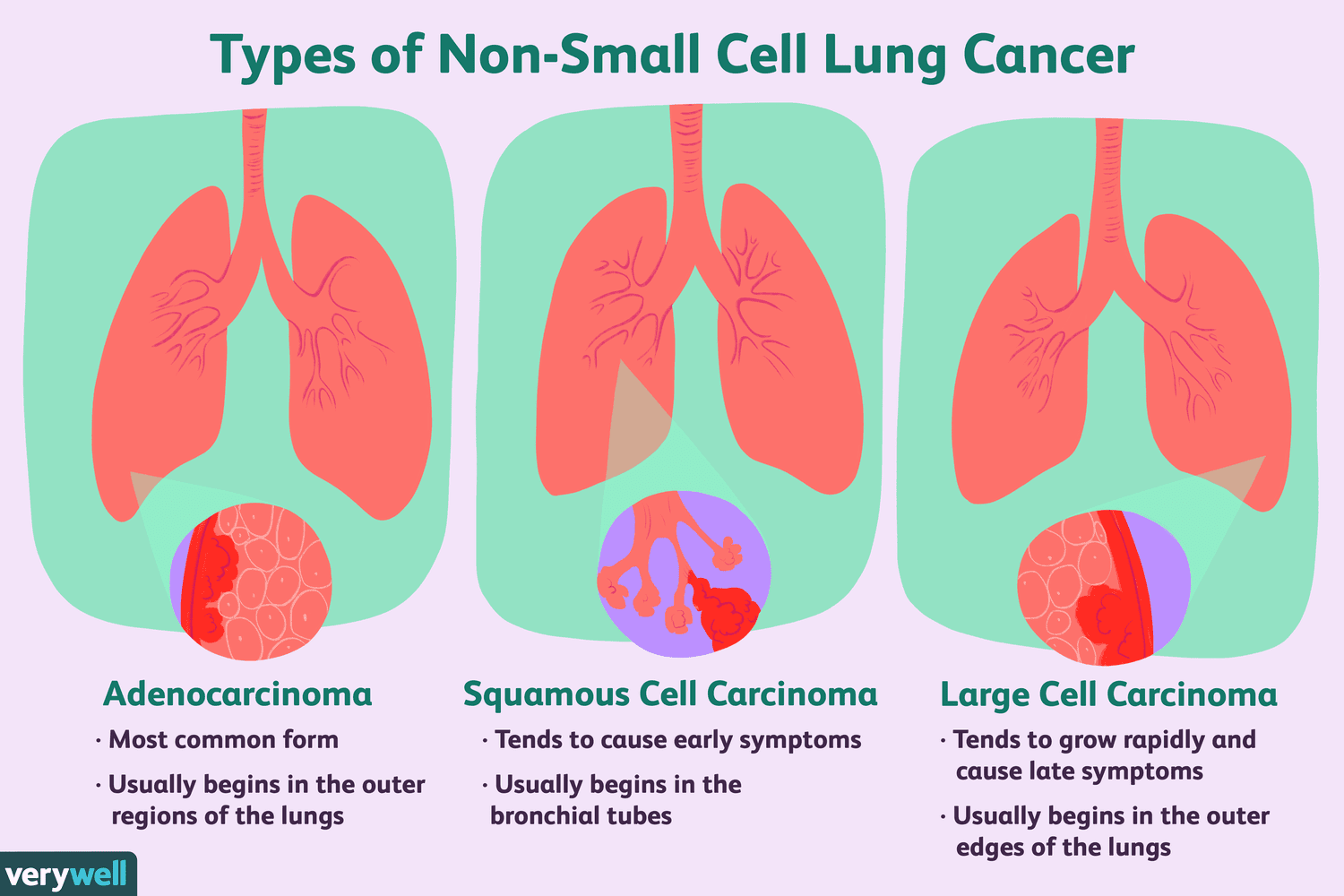
Lung cancer is one of the most common and serious types of cancer worldwide. It begins in the lungs, the organs responsible for breathing and supplying oxygen to the body. Lung cancer occurs when abnormal cells in the lung tissues grow and multiply uncontrollably, forming tumors that can interfere with normal lung function. The two main types of lung cancer are Non-Small Cell Lung Cancer (NSCLC) and Small Cell Lung Cancer (SCLC).
Radiation therapy is an important treatment option for lung cancer. It uses high-energy radiation beams to destroy cancer cells, shrink tumors, and prevent the spread of cancer to nearby tissues. Radiation therapy may be used alone or combined with other treatments such as surgery, chemotherapy, or targeted therapy depending on the stage and type of lung cancer.
If you’re seeking Lung Cancer Treatment in Malakpet, Hyderabad, radiation therapy can be an essential part of a comprehensive treatment plan designed to effectively target cancer cells while protecting surrounding healthy tissues.
Here’s an overview of radiation therapy for lung cancer:
Radiation Therapy Purpose:
Radiation therapy is used to destroy cancer cells and shrink lung tumors. It may be used as a primary treatment for patients who cannot undergo surgery, or after surgery to eliminate remaining cancer cells. It can also help relieve symptoms such as pain, breathing difficulty, or coughing caused by tumor growth.
Types of Radiation Therapy:
The most common type used for lung cancer is External Beam Radiation Therapy (EBRT), where radiation is delivered from outside the body to the lungs. Advanced techniques such as Stereotactic Body Radiation Therapy (SBRT) may also be used for early-stage lung cancer, delivering very precise and high doses of radiation to the tumor.
Radiation Planning:
Before treatment begins, doctors perform detailed radiation planning using imaging tests such as CT scans, PET scans, or MRI scans. These scans help radiation oncologists locate the tumor precisely and design a treatment plan that targets cancer cells while minimizing exposure to healthy lung tissue.
Radiation Sessions:
Radiation therapy is typically given over several sessions across multiple weeks. Treatments are usually scheduled five days a week, and each session lasts only a few minutes. The procedure is painless, and patients can usually return to their daily activities after each session.
Side Effects:
Patients receiving radiation therapy for lung cancer may experience side effects such as fatigue, skin irritation, cough, difficulty swallowing, or mild chest discomfort. Most side effects are temporary and gradually improve after treatment ends.
Long-Term Effects:
In some cases, long-term effects such as lung inflammation (radiation pneumonitis) or scarring of lung tissue may occur. Doctors monitor patients closely to manage any long-term complications and ensure proper recovery.
Combination Therapy:
Radiation therapy is often combined with chemotherapy or targeted therapy to increase treatment effectiveness. This combined approach helps destroy cancer cells more efficiently and improves treatment outcomes.
Follow-Up Care:
After completing radiation therapy, regular follow-up visits are important. Doctors monitor the patient’s recovery, evaluate treatment success, and check for any signs of recurrence through imaging tests and clinical examinations.