
Yashoda Hospitals
Malakpet
Dr. Kalyan's Speciality Clinic
Hasthinapuram
Call Us
+91-7207897798
+91-9392172078
Malakpet
Hasthinapuram
+91-7207897798
+91-9392172078
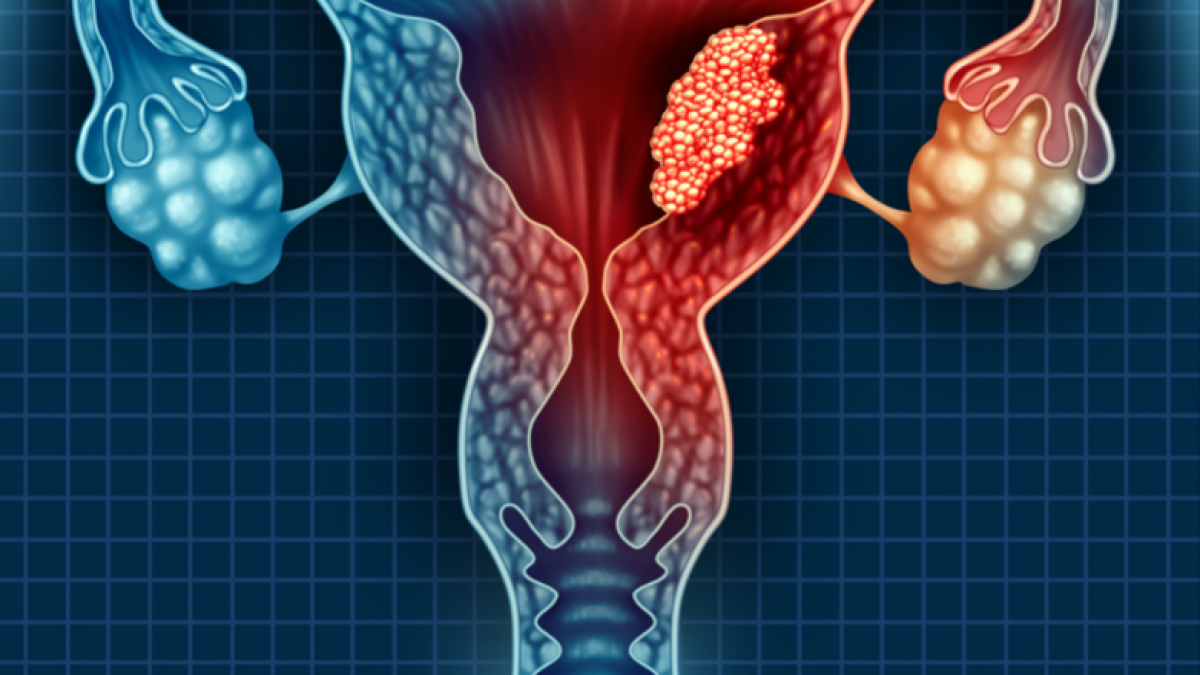
Uterine cancer, most commonly known as endometrial cancer, develops in the lining of the uterus called the endometrium. It is one of the most common gynecologic cancers affecting women, particularly after menopause. In many cases, uterine cancer is diagnosed at an early stage because it often causes noticeable symptoms, such as abnormal vaginal bleeding. Early detection and timely treatment significantly improve outcomes and provide patients with a greater chance of successful recovery.
At Dr. R. Nivalika’s practice, cancer care is focused on accurate diagnosis, evidence-based treatment, and compassionate support throughout every stage of the journey. Each treatment plan is carefully tailored to the patient’s age, overall health, cancer stage, and individual needs.
The exact cause of uterine or endometrial cancer is not always known, but it is commonly associated with changes in hormone balance, particularly increased exposure to estrogen without sufficient progesterone. These hormonal changes can stimulate excessive growth of the uterine lining, increasing the risk of cancerous changes over time.
Several factors may increase the likelihood of developing uterine cancer, including obesity, diabetes, high blood pressure, a family history of uterine or colorectal cancer, early onset of menstruation, late menopause, infertility, and certain inherited genetic conditions. Women who have never been pregnant and those receiving long-term estrogen therapy without progesterone may also have an elevated risk.
Abnormal vaginal bleeding is the most common and often the earliest symptom of uterine cancer. Postmenopausal women may notice any unexpected vaginal bleeding, while younger women may experience unusually heavy, prolonged, or irregular menstrual periods.
Other symptoms may include pelvic pain or pressure, abnormal vaginal discharge, discomfort during intercourse, unexplained weight loss, and changes in bladder or bowel habits in more advanced cases. Since these symptoms can also occur in non-cancerous conditions, medical evaluation is essential for an accurate diagnosis.
The diagnosis of uterine cancer begins with a detailed medical history, symptom assessment, and pelvic examination. If cancer is suspected, imaging studies such as pelvic ultrasound may be performed to evaluate the thickness and appearance of the endometrial lining.
A definitive diagnosis typically requires obtaining a tissue sample through an endometrial biopsy or dilation and curettage (D&C). Additional imaging tests such as CT scans, MRI scans, or PET scans may be recommended to determine the extent of the disease and assist in treatment planning. Accurate staging plays a crucial role in selecting the most effective treatment approach.
Treatment for uterine cancer depends on the stage, grade, and spread of the disease, as well as the patient’s overall health and treatment goals. Surgery is often the primary treatment and commonly involves removal of the uterus, cervix, fallopian tubes, and ovaries. In some cases, nearby lymph nodes may also be assessed or removed to determine whether cancer has spread.
Radiation therapy may be recommended before or after surgery to reduce the risk of recurrence. Advanced radiation techniques allow precise targeting of cancer cells while minimizing exposure to surrounding healthy tissues. Chemotherapy may be used for aggressive or advanced-stage cancers, either alone or in combination with other treatments. Hormone therapy can be effective for certain hormone-sensitive tumors, while targeted therapy and immunotherapy may be considered for selected patients with advanced or recurrent disease.
Dr. R. Nivalika develops personalized treatment strategies using a multidisciplinary approach to ensure patients receive the most appropriate and effective care based on their individual diagnosis.
Follow-up care is an important part of uterine cancer management. Regular check-ups help monitor recovery, detect any signs of recurrence, and address treatment-related side effects. Follow-up appointments may include physical examinations, imaging studies, and laboratory tests when necessary.
Patients are encouraged to maintain a healthy lifestyle through balanced nutrition, regular physical activity, weight management, and adherence to medical recommendations. Emotional well-being is equally important, and counseling or support services may be beneficial for patients adjusting to life after cancer treatment.
If left untreated, uterine cancer can spread beyond the uterus to nearby tissues, lymph nodes, or distant organs. Advanced disease may become more difficult to treat and can significantly impact quality of life.
Treatment-related complications vary depending on the therapy used and may include fatigue, infection, bleeding, changes in bowel or bladder function, hormonal symptoms, fertility loss, and temporary or long-term side effects from radiation or chemotherapy. Close monitoring and supportive care help manage these complications effectively and improve overall recovery.
Women should seek medical attention if they experience abnormal vaginal bleeding, bleeding after menopause, unusually heavy menstrual periods, persistent pelvic pain, abnormal vaginal discharge, or unexplained weight loss. Even mild symptoms should not be ignored, particularly after menopause, as early evaluation can lead to prompt diagnosis and more effective treatment.
Timely consultation with a cancer specialist allows for early detection, accurate diagnosis, and access to advanced treatment options. If you have concerns about uterine or endometrial cancer, scheduling an evaluation with Dr. R. Nivalika can help you understand your condition and receive personalized guidance for the best possible care.
Getting an accurate diagnosis can be one of the most impactful experiences that you can have.
Copyright © 2026 Dr. R. Nivalika, All rights reserved. Powered by PrigmaSoft Technologies
Getting an accurate diagnosis can be one of the most impactful experiences that you can have.
WhatsApp us